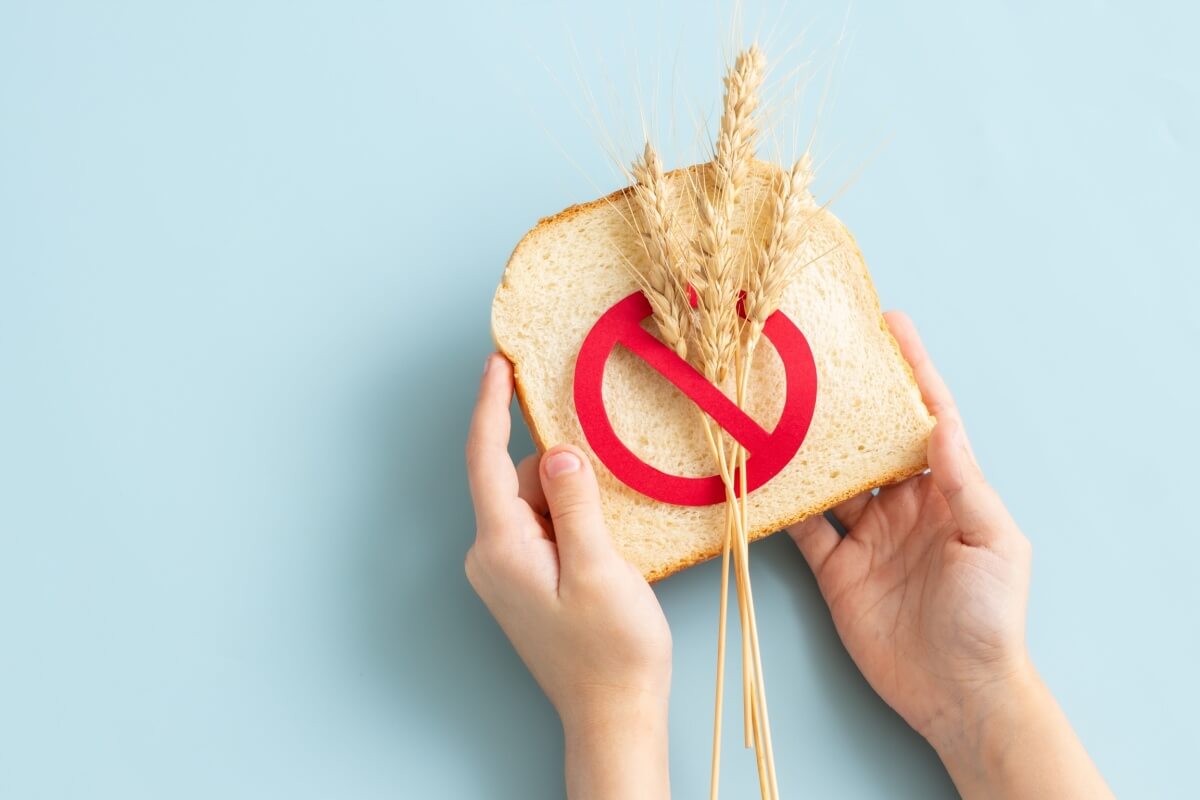
Often silent, the autoimmune condition can impact different aspects of health
On May 16th, World Celiac Disease Awareness Day is celebrated, a date dedicated to expanding the debate about an autoimmune condition that can go unnoticed for years and impact different functions of the body.
Celiac disease affects around 1% of the world’s population, according to the World Health Organization (WHO). Triggered by the ingestion of gluten, a protein present in wheat, barley and rye, the condition causes an inflammatory reaction in the small intestine, compromising the absorption of nutrients.
According to Dr. Daniela Antenuzi, doctor and professor of Gastroenterology at Afya Brasília, the disease occurs in genetically predisposed people. “To the consume glutenthe organism triggers an inadequate immune response that attacks the mucosa of the small intestine, causing inflammation, intestinal atrophy and impaired absorption of important nutrients, such as iron, calcium and vitamins”, he explains.
She points out that celiac disease should not be confused with wheat allergy or non-celiac gluten sensitivity. “They are different conditions, with different mechanisms and prognoses, although some symptoms may be similar,” he says.
Signs of celiac disease
According to the doctor, the signs of the disease do not always appear in the classic way, which can delay the diagnosis. Although the intestine is the main organ affected, many patients do not present symptoms evident digestive symptoms and some remain asymptomatic. In addition to diarrhea, abdominal pain and flatulence, persistent anemia, fatigue, bloating, weight loss and vitamin and mineral deficiencies may also occur.
Dr. Daniela Antenuzi also highlights lesser-known manifestations, such as dermatitis herpetiformis, menstrual irregularities, repeated miscarriages, neurological changes, liver disorders and problems with tooth enamel.
Removing gluten from the diet
Diego Righi, nutritionist and professor at Afya Centro Universitário Itaperuna, explains that a completely gluten-free diet, associated with clinical and nutritional monitoring, is essential to control the symptoms of the disease, recover the intestinal mucosa and prevent complications.
“There is no partial exclusion for those with celiac disease. The withdrawal must be complete, including wheat, rye, barley, triticale and derivatives”, he states. According to him, even oats require caution, being recommended only when certified gluten-free and with professional guidance.
The nutritionist also highlights that the gluten it can be present in a “hidden” form in several industrialized products, such as sauces, ready-made seasonings, sausages, supplements, chocolates, cereal bars and beers, in addition to the risk of cross-contamination. “Reading the labels and checking the expressions ‘contains gluten’ or ‘does not contain gluten’ should be part of the routine”, he advises.
Diego Righi also draws attention to the nutritional quality of the diet. “Many substitutions use refined flours and starches that are low in fiber and micronutrients, which can compromise your diet,” he explains. Among the nutrients that deserve monitoring are iron, folate, B vitamins, vitamin D, calcium, magnesium and zinc, especially at the beginning of treatment.
Treatment for the disease is essential
Lack of adequate treatment can have important consequences for patients with celiac disease. “Patients who do not strictly follow the gluten-free diet have a greater risk of developing osteoporosis, hormonal disorders, nutritional deficiencies and even intestinal lymphoma and other types of cancer”, warns Dr. Daniela Antenuzi.
She reinforces, however, that completely removing gluten usually promotes a significant improvement in symptoms and quality of life. Currently, there are no medications capable of curing celiac disease.
Safe and balanced gluten-free diet
Maintaining a completely gluten-free diet goes beyond replacing foods, requiring constant attention to your routine. Below, nutritionist Diego Righi lists practical tips to ensure greater safety and balance in the diet in cases of celiac disease:
1. Prioritize food in nature and minimally processed
Rice, beans, meat, eggs, fruits, vegetables, roots, nuts and seeds are naturally gluten-free when there is no cross-contamination.
2. Always read labels
Look for the expressions “contains gluten” or “gluten-free” and watch out for ingredients like wheat, barley, rye, malt and malt extract.
3. Don’t confuse “wheat-free” with “gluten-free”
Even without wheat, products with barley, rye or malt continue to pose a risk to people with celiac disease.
4. Avoid bulk products
Flours, nuts, seeds and grains sold in bulk are at greater risk of cross-contamination from shared utensils and containers.
5. Separate utensils and food at home
Toasters, sieves, cutting boards and even jars of butter, cream cheese and jam can be contaminated by common bread crumbs.
6. Be careful with shared frying oil
French fries and other foods prepared in the same oil as breading are no longer safe.
7. Ask about preparation in restaurants
Ask questions about fryers, griddles, cutting boards, sauces, seasonings and food handling to avoid cross-contamination.
8. Include fiber daily
Gluten-free fruits, vegetables, legumes, seeds and whole grains help with gut health and nutritional balance.
9. Avoid relying on gluten-free ultra-processed foods
Gluten-free cookies, breads and pastas may contain excess sugar, fat, salt and refined starches, as well as low nutritional value.
10. Maintain medical and nutritional monitoring
Professional monitoring is important to monitor symptoms, exams, possible nutritional deficiencies and the need for supplementation.
By Beatriz Felicio