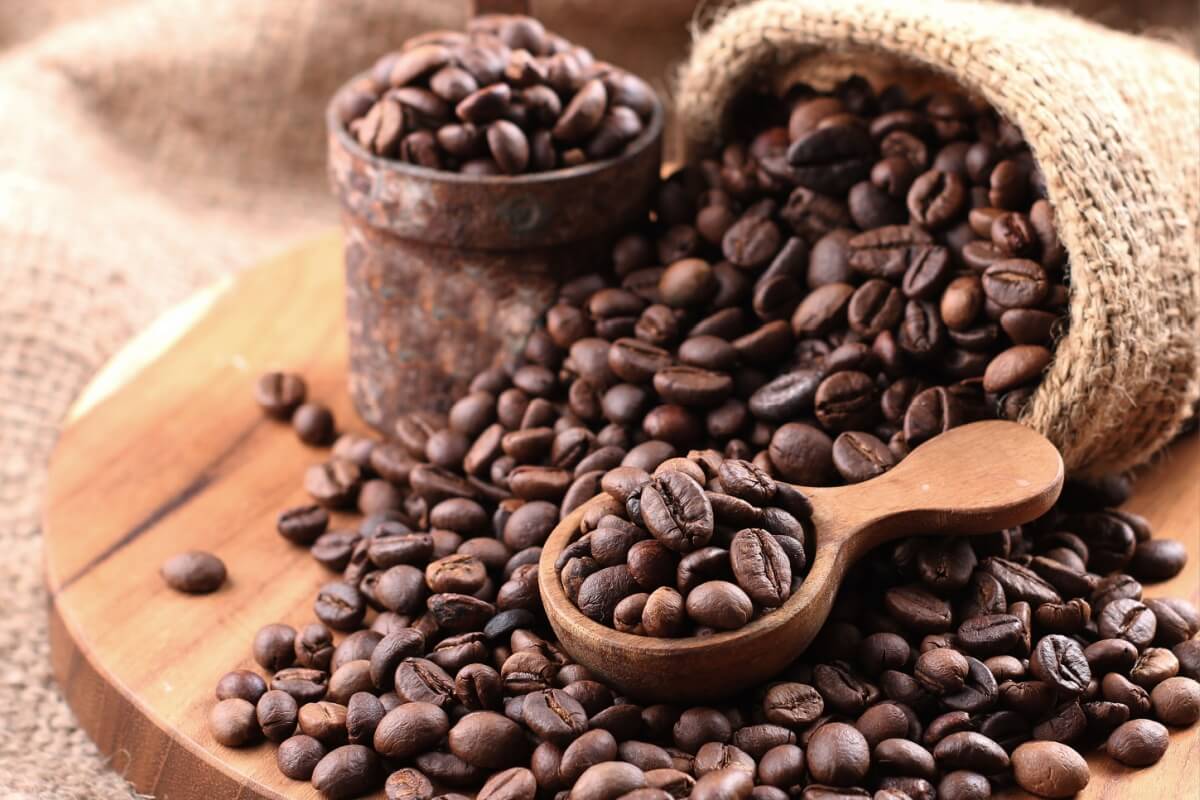
National Coffee Day is celebrated on May 24th and marks the beginning of the harvest in several regions of Brazil. The first seedlings arrived in the country at the beginning of the 18th century and cultivation spread to some regions, but was only used for local consumption.
Between the end of the 18th century and the beginning of the 19th, production increased and Brazil began to export coffee, with a great expansion of exports around 1840. Coffee growing was one of the main Brazilian economic activities for a long period and the habit of consumption It spread throughout the country, a custom that is maintained to this day.
Between the end of 2025 and the beginning of 2026, Brazilian coffee cultivation was equivalent to around 31.7% of world production, according to data from the Brazilian Coffee Industry Association (ABIC). In the 2025 edition of the survey “Evolution of habits and preferences of coffee consumers in Brazil”, by ABIC, 44% of respondents said they consume between three and five cups of coffee daily. The main reason is to improve mood and disposition, the second biggest motivator is pleasure and well-being.
Coffee also gains space in gastronomy
Although the main practice of consuming coffee is through drinking, it can be used in different preparations. In gastronomy, it can act as a flavor enhancer and aromatic balance. “I tend to treat coffee as a very complex aromatic matrix, not just as a drink. It works both as a flavor enhancer and as a structuring element of the sensorial profile of a dish”, explains Willian Zarpelon, professor of Gastronomy at UniRitter.
He points out marinades, syrups, pastas, desserts and even indirect smoking processes as some of the possibilities. Coffee brings together characteristics such as bitterness, acidity, sweetness and toasted notes. According to the professor, depending on the origin and roasting, it is possible to work with ingredients such as chocolate, dried fruits, spices and even florals.
Presence in savory dishes
When it comes to using coffee in recipes, the most common thing is to find it in desserts. Tiramisu, pavês and mousses are among some popular options, but Willian Zarpelon points out that coffee can also be used in savory dishes.
He highlights its use in beef and pork, as, in these preparations, coffee helps balance the fat and intensifies the flavor. “I would say that this is a field that is still under-explored”, he adds. Among the preparations that the teacher makes are reduced sauces; jusa type of sauce made from meat “juice”; and recipes with mushrooms, in which coffee reinforces earthy characteristics.
According to Willian Zarpelon, the characteristics of coffee make it possible to create deeper dishes with sophisticated sensory layers. To plan how to combine coffee, he recommends thinking about pairing the ingredients: “coffee goes well with fat and sugar. It also works very well with hot spices and even with acidic elements when you want to create contrast.” That’s why butter, meats, chocolate, caramel, mushrooms, cinnamon and even citrus fruits can be part of a recipe involving coffee.
Care and tips for using coffee in cooking
Willian Zarpelon realizes that one of the most common mistakes when using coffee in dish recipes is too much. “It ends up dominating the dish with bitterness”, he explains. The low quality of the ingredient can also influence the flavor of the product. revenue. Therefore, it is recommended to cook with medium roast coffees, as they maintain a better balance between acidity, sweetness and bitterness. “Special Arabic coffees are ideal, because they offer more complexity and predictability in the result”, he adds.
The preparation of the coffee so that it can be used in the recipe varies according to the intended application. The professor explains that filtering methods usually result in a cleaner drink and, therefore, work well in more delicate preparations. Preparing coffee using a French press preserves oils and makes the drink fuller, making it a good option for use in sauces and reductions. “With espresso, you need to be even more careful, because it is very concentrated and can easily dominate the dish”, he warns.
Among the techniques that most value coffee are:
- Infusion: which consists of immersing it in water to extract its properties;
- Reduction: method that involves boiling the liquid slowly so that the water evaporates and the flavors and texture become more concentrated;
- Emulsion: preparation that mixes ingredients that are not normally mixed. Willian Zarpelon usually incorporates fats to soften the bitterness and provide more texture in this type of preparation.
For those who want to start using coffee in the kitchen, the recommendation is to start with small amounts and adjust little by little.
Concept of the dish: working with coffee as a structuring element, and not just aromatic. It appears in three moments: in the marinade, in the icing and at the end of the farofa. The dish balances the fat present in the pork, the controlled bitterness of the coffee and the sweetness through the glaze, in addition to presenting toasted/smoked notes.
Ingredients (4 servings)
Carne
- 800 g the pork shoulder
- 200 ml of brewed coffee (medium roast)
- 3 cloves of garlic, chopped
- 1 sprig of rosemary
- Salt to taste
- Fat or oil for confit
Coffee Icing
- 150 ml filtered coffee
- 100 ml meat broth
- 1 tablespoon brown sugar
- 1 tablespoon of butter
Puree
- 500 g boiled and mashed potatoes
- 100 ml of cream
- Salt and butter to taste
- Light smoking (optional with wood chips)
Crispy farofa
- flour cassava
- 1 teaspoon of finely ground coffee
- 1 teaspoon cocoa powder
- Butter and salt to taste
Preparation mode
Marinade and cooking the meat
In a bowl, season the meat with coffee, garlic, rosemary and salt. Let it marinate between 6 and 12 hours. Cook over very low heat for about 3 to 4 hours, or until the meat is extremely tender and the collagen is completely converted to gelatin. Remove the meat from the fat and keep warm.
Frosting
In a small pan, add the filtered coffee, beef broth and brown sugar. Cook over medium heat until it reduces and reaches a slightly thick consistency, enough to coat the back of a spoon without running quickly. Turn off the heat and add the butter, stirring until it shines and has a velvety texture.
Puree
In a bowl, mix the boiled and mashed potatoes with the butter and cream until you obtain a smooth and creamy puree. Adjust the salt. If you want a light smoke, place the puree in a heat-resistant container and quickly approach the smoke from the lit wood chips for a few seconds, just to flavor it without leaving excessive flavor.
Farofa
In a frying pan, melt the butter and add the cassava flour. Stir over medium heat until lightly browned. Turn off the heat and add the ground coffee and cocoa powder. Mix quickly to preserve the aromas. Adjust the salt.
Assembly and sensory logic
Serve the pork shoulder on a layer of smoked puree. Drizzle with the coffee glaze and finish with the crunchy farofa on top or on the side.
Meat is used as a base rich in fat. The icing brings sweetness and balanced bitterness. The puree softens and the farofa adds texture and aromatic reinforcement. The result is a highly complex dish, in which coffee acts in multiple dimensions.
By Rafaela Bobsin