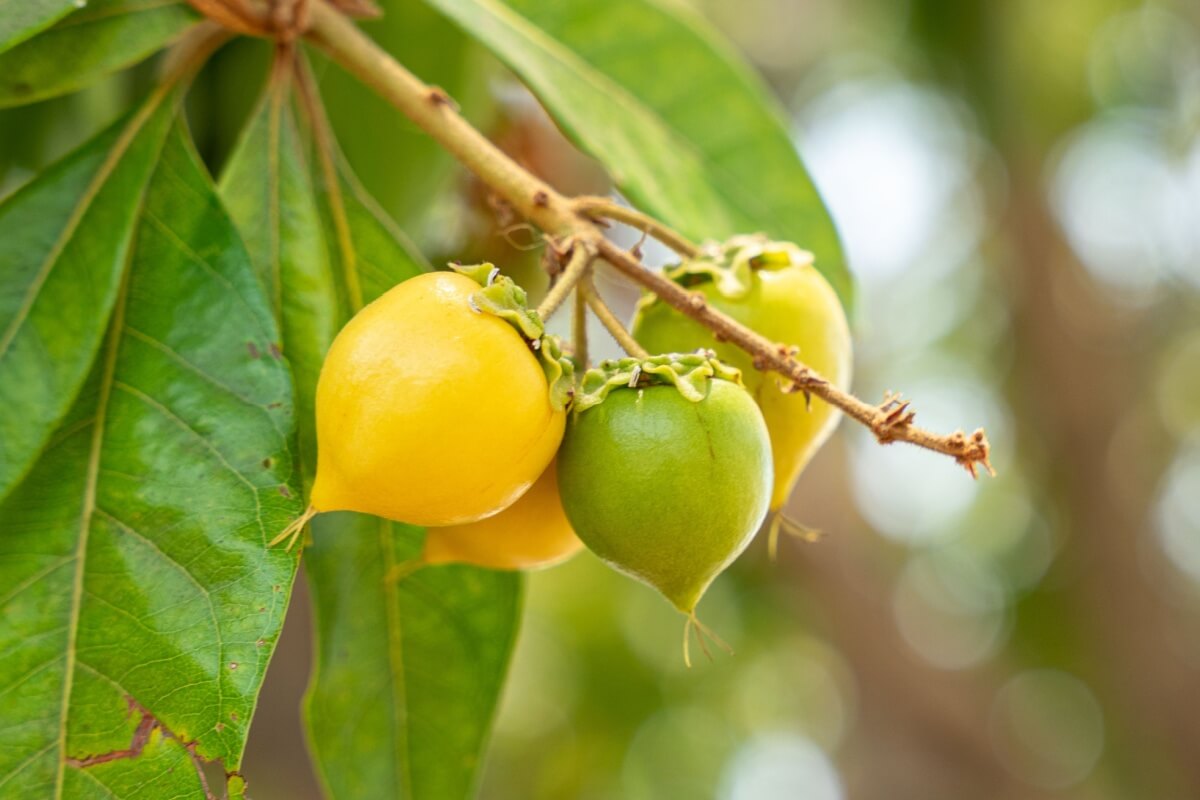
This tropical food can strengthen immunity, protect the heart and bring more vitality to your daily life
The murici (Byrsonima crassifolia) is a typical fruit from the Cerrado, the Amazon and regions of the North and Northeast of Brazil. Small and yellowish, it has juicy pulp and a unique flavor, which combines citrus and sweet notes, sometimes with a slight salty touch. This characteristic makes it versatile in cooking, being used in desserts, juices and various dishes. In addition to its striking flavor, it is recognized for bringing health benefits, providing important nutrients and compounds that help the body’s general well-being.
Next, see 5 health benefits of murici fruit and how to include it in your diet!
1. Strengthens the immune system
Murici is rich in Vitamina Ca fundamental nutrient to strengthen the body’s defenses and help protect against infections and colds. Furthermore, the vitamin contributes to healing and the proper functioning of the body, keeping it more resistant and healthy. Its regular consumption can support immunity naturally, making the body more prepared to face diseases. In general, for adults, the recommended daily intake of the nutrient is 75 mg for women and 90 mg for men.
2. Support eye health
The carotenoids present in murici, especially lutein and zeaxanthin, have a protective effect on the eyes, as they accumulate in the retina and help filter harmful light, such as the blue light emitted by screens. This can contribute to the prevention of diseases such as macular degeneration and cataracts.
Murici contributes to the bone healthas it contains essential minerals such as calcium, magnesium and potassium. These nutrients strengthen bone structure, help maintain bone density and strength, and are important for preventing wear and fragility over time. This is important mainly because, according to the Ministry of Health, it is estimated that 50% of women and 20% of men aged 50 or over will suffer from some osteoporotic fracture throughout their lives.
4. Promotes cardiovascular health
The fruit has a high potassium content, a mineral that helps regulate blood pressure and balance fluids in the body, reducing body overload. heart. According to the Brazilian Table of Food Composition (TBCA), from the University of São Paulo and Food Research, 100 g of pulp in nature contains approximately 257 mg of potassium.
Furthermore, according to the study “The importance of potassium in the diet on the regulation of blood pressure”, published in the Brazilian Journal Development, increasing potassium intake through the consumption of fruits and vegetables, which are foods with higher concentrations of this mineral, contributes to the prevention and treatment of systemic arterial hypertension.
5. Blood glucose control
Due to the presence of fiber and phenolic compounds, murici helps to slow the absorption of carbohydrates, which prevents blood glucose spikes after meals. This effect is beneficial for maintaining stable blood glucose levels and may be useful in controlling blood sugar levels. diabetes or in preventing its development, especially in balanced diets. According to the International Diabetes Federation (IDF), it is estimated that more than 530 million adults live with the disease worldwide — and this number could reach 640 million by 2030.
Ways to include murici in the diet
Murici can be enjoyed in many ways — both to savor its unique flavor and to take advantage of its benefits:
- Juices: Beat the murici with water, ice and, if you want, a little honey or juice. lemon to balance the flavor;
- Jellies, sweets and compotes: ideal for preserving the flavor, eating for breakfast or accompanying bread and toast;
- Ice creams: freeze the pulp with natural ingredients for a refreshing dessert;
- murici oil: the extracted oil can be used in cooking as a seasoning or for sauces.
Important precautions
Despite the various benefits that murici can offer to health, it is important to highlight that consumption of the fruit does not replace medical treatments or professional support. It can be an ally in your diet, but it should not be seen as a unique solution to health problems. Furthermore, maintaining healthy habits, such as a balanced diet, regular physical exercise and periodic visits to the doctor, remains essential for general well-being.