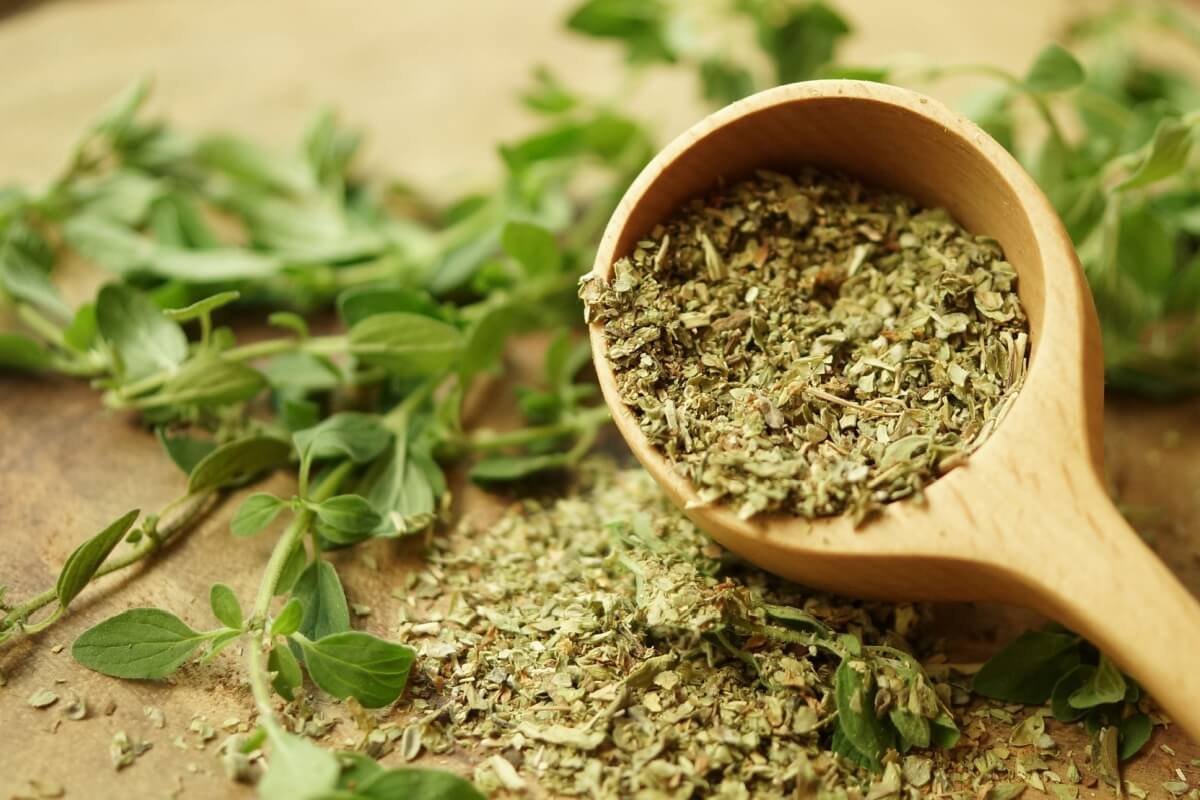
Widely used in cooking, this aromatic herb also contributes to the health of the body.
Oregano, an herb widely used in cooking, is more than just a seasoning to enhance the flavor of recipes. Of European origin, mainly from the Mediterranean region, this aromatic plant is known for its versatility and medicinal properties. This is because it is rich in nutrients and bioactive compounds.
Next, check out 7 health benefits of oregano and how to grow it at home!
1. Rich in antioxidants
Oregano is an excellent source of antioxidants, such as flavonoids and rosmarinic acid. These compounds help fight free radicals in the body, which are unstable molecules responsible for premature aging and the development of several illnesses.
2. Anti-inflammatory properties
Oregano contains compounds with properties anti-inflammatory which help reduce inflammation in the body. This makes it useful in relieving chronic conditions such as arthritis, and can also aid in recovery from muscle injuries and inflammation.
3. Contributes to digestive health
Oregano also plays an important role in digestive health. It helps in the production of bile, facilitating the digestion of fats and promoting the proper functioning of the stomach. Furthermore, the plant has carminative properties, meaning it helps reduce gas and bloating, making it ideal for people who suffer from mild gastrointestinal problems, such as indigestion.
4. Protection against respiratory diseases
Thanks to its expectorant and anti-inflammatory properties, oregano is beneficial for respiratory health. It helps relieve symptoms of colds, asthma and bronchitis, making breathing easier by reducing mucus and inflammation in the airways. Tea from this plant, for example, is often used as a natural remedy to help relieve coughs and sore throats.
5. Antimicrobial properties
The essential oils present in oregano have potent antimicrobial properties. They are effective against a variety of bacteria and fungi, helping to prevent infections and keep the body protected from harmful microorganisms. This quality is exploited even in the industry food.
6. Improves heart health
Oregano can contribute to health cardiovascular, thanks to the presence of antioxidants and essential fatty acids that help reduce LDL (bad) cholesterol and improve HDL (good) cholesterol. Additionally, the plant has anti-inflammatory properties that help protect arteries against inflammation, contributing to a healthier heart.
According to the Ministry of Health, cardiovascular diseases associated with high cholesterol are among the main causes of deaths in the world. According to the agency, around 360,000 Brazilians die annually as a result of these conditions.
7. Auxilia does not control diabetes
Oregano has the potential to help control blood sugar levels. The plant’s rosmarinic acid can help lower blood glucose levels, which is beneficial for people suffering from type 2 diabetes. Data from the International Diabetes Federation (IDF) show that Brazil is the sixth country in the world with the highest number of diagnoses of the disease. However, the use of the plant does not replace treatment and medical monitoring.
Forms of consumption
Oregano can be included in food in different ways, enhancing the flavor of dishes and providing their health benefits. See some ways of consumption:
- In fresh salads or sauces;
- As a seasoning for pasta and pizza;
- When preparing teas or infusions;
- Added to meat, poultry and fish;
- In omelets and pies;
- Incorporated into flavored oils.
With its nutritional and therapeutic properties, it becomes an excellent ally for those looking for a healthier and more balanced life.
How to grow oregano at home
Oregano is a resistant and easy-to-grow aromatic herb, adapting well to both pots and flower beds. Cultivation can be done by seeds or seedlings. If you choose plantar seeds, spread them over the ground and cover with a thin layer of substrate, keeping the soil slightly moist until germination, which usually takes up to two weeks.
If you prefer to use seedlings, make a small hole in the soil, place the plant carefully and lightly press the soil around it to firm it. After planting, water sparingly. With proper care, oregano develops quickly.
Next, check out 5 tips for growing oregano at home!
1. Ensure good light
Oregano needs at least 4 to 6 hours of direct sun per day. The more light, the more intense the aroma of the leaves. Could it be cultivated on balconies, backyards or even in the kitchen window, as long as it receives good light.
2. Avoid excess water
Water only when the soil is dry on the surface. The plant tolerates lack of water better than excess.
3. Choose well-drained soil
If you are planting in a pot, choose a model with holes in the bottom to ensure drainage. Medium-sized pots are sufficient, as oregano does not have very deep roots. Additionally, mixing coarse sand or perlite into the substrate helps prevent moisture build-up in the substrate. roots.
4. Prune regularly
Harvesting the leaves regularly stimulates the plant’s growth and prevents it from becoming “stretched” and weak. Always cut above a pair of leaves to encourage new growth.
5. Fertilize in moderation
A light fertilization every two or three months is enough to maintain healthy growth.
Pay attention to the harvest time
The ideal is to start harvesting oregano when the plant reaches around 20 cm in height. At this stage, the branches are already more developed and the leaves concentrate better aroma and flavor. If the plant is in flower, it is worth including the flowers in the harvest: they are also aromatic and can be used as a condiment, adding flavor to preparations.