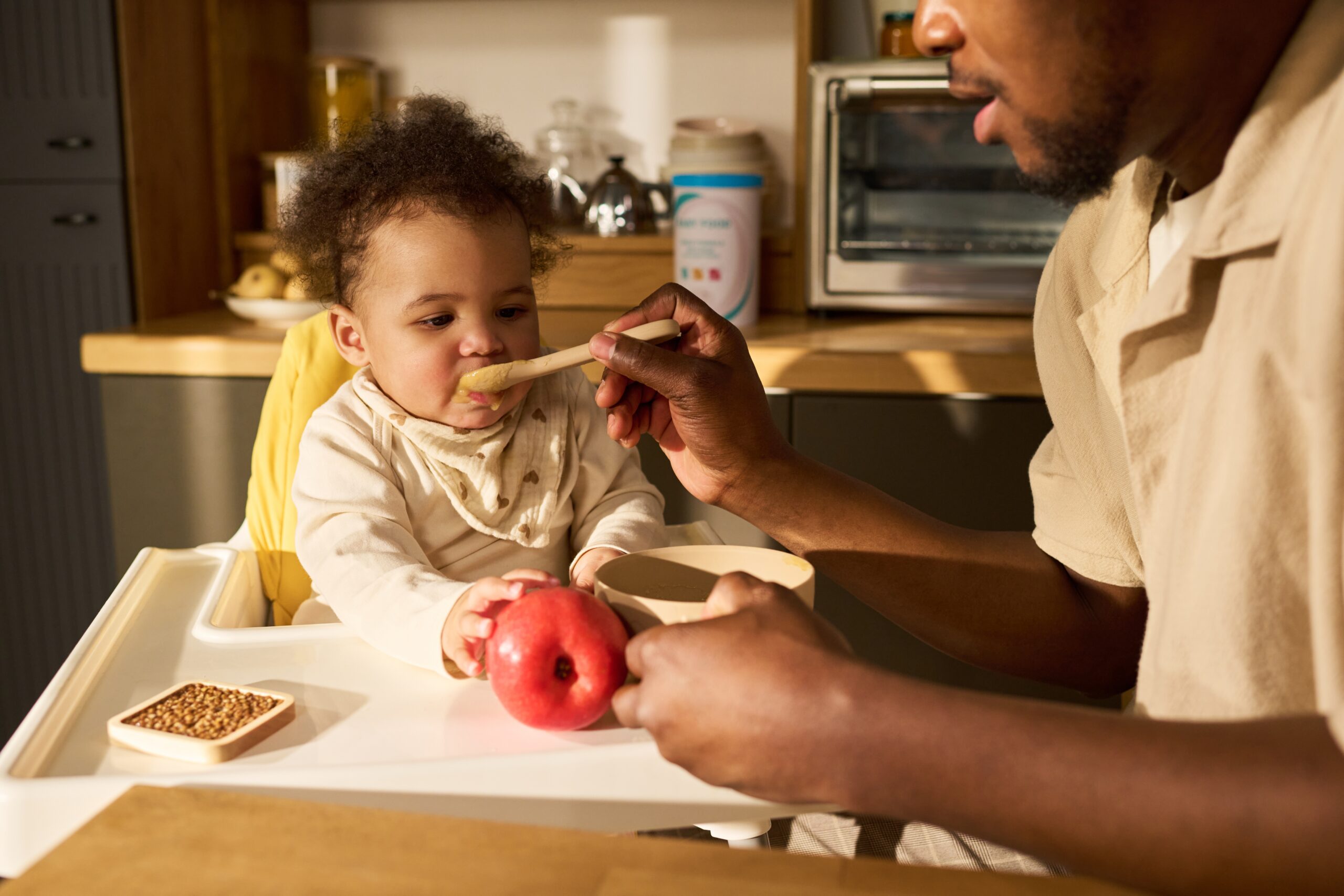
Childhood obesity is already part of the reality of many children and can have several impacts on the future of children. Therefore, it is essential to pay attention to a balanced and nutritious diet from an early age. So, keep reading to understand more about the topic.
Childhood obesity and its problems
According to data published by the Ministry of Health in 2022, more than 340 thousand Brazilian children between 5 and 10 years old, monitored by the Unified Health System (SUS), are obese. By 2025, one in three children and adolescents aged 10 to 19 in Brazil will be overweight, according to a SUS survey.
With these data, it is clear that childhood obesity is already part of the reality of many children and adolescents. But it is important to understand that the concern goes far beyond aesthetic issues. It is a disease that directly impacts health, development and quality of life, with the following main problems:
- Early metabolic diseases – Increased risk of developing conditions such as type 2 diabetes, high cholesterol and hypertension in childhood.
- Cardiovascular problems – Even at a young age, changes can already appear that increase the risk of heart disease in the future.
- Joint overload – Excess weight impacts knees, ankles and spine, which can cause pain, difficulty in movement and even injuries.
- Emotional and behavioral issues – Low self-esteem, anxiety and even social isolation are common, often worsened by bullying.
- Greater chance of obesity in adult life – Children who are overweight are more likely to maintain this condition throughout their lives, increasing the risk of chronic diseases.
These are some of the main difficulties and diseases associated with childhood obesity. But how to prevent this scenario?
How can we change this scenario of childhood obesity?
Maintaining a regular, balanced diet is key to preventing childhood obesity. According to sports and clinical nutritionist, Nathalia Schnaak, the main habits that help include:
- Maintain regular meal times;
- Prioritize natural or minimally processed foods;
- Avoid frequent consumption of ultra-processed foods;
- Encourage eating at the table (without screens);
- And respect the child’s hunger and satiety signals.
Furthermore, it is extremely important that adults are aware of their habits and help encourage them to be maintained. “Parents and guardians play a fundamental role, as they are models of eating behavior, they control the food environment at home and directly influence the child’s choices and relationship with food”, says the professional.
And according to the nutritionist, it is also essential to observe warning signs for childhood overweight or obesity, such as:
- Accelerated weight gain:
- Increase in BMI for age;
- Changes in eating pattern (excessive hunger or emotional eating):
- Sedentary lifestyle and family history of obesity.
However, it is not necessary to take this change to the extreme, as food restriction can have the opposite effect on children, “increasing the desire for certain foods, which can lead to compulsion or a negative relationship with food”, highlights Nathalia.
Therefore, restrictive diets are also not recommended for children, except in specific cases with professional supervision: “the focus should be on dietary re-education and changes in the lifestyle of the entire family”, reinforces the specialist.
How to create a balanced eating routine?
To create a balanced eating routine for children, Nathalia Schnaak recommends:
- Breakfast;
- Lunch;
- To have lunch;
- And 1–2 snacks in between.
She explains that, at these times, it is important to always “include a variety of food groups (carbohydrates, proteins, good fats, fruits and vegetables), with portions appropriate to the child’s age and routine”.
Regarding foods that should be avoided or consumed with more caution, she highlights “ultra-processed foods such as soft drinks, sandwich cookies, snacks, fast food, sausages and excessive sweets, due to their high sugar, fat and sodium content”.
To encourage the consumption of fruits and vegetables, “it is important to offer them repeatedly, vary the way they are prepared, involve the child in the process (buying, washing, preparing), and set an example at home, consuming these foods on a daily basis”, comments Schnaak.
Final tips to avoid childhood obesity
During the process of children’s nutritional education to prevent obesity, there is also a need to balance healthy eating with the child’s school and social routine. “Planning is important, such as preparing healthy snacks, guiding choices outside the home and maintaining flexibility, without radicalism”, says the nutritionist.
Furthermore, physical activity becomes essential during a child’s routine to prevent childhood obesity, as it contributes to energy expenditure, motor development, metabolic health and also helps in the formation of healthy habits from childhood.
Finally, Nathalia recommends how to deal with food selectivity without generating conflict: “be patient, avoid pressure or punishment, expose the child repeatedly to food, create a positive environment during meals and respect the adaptation time”.