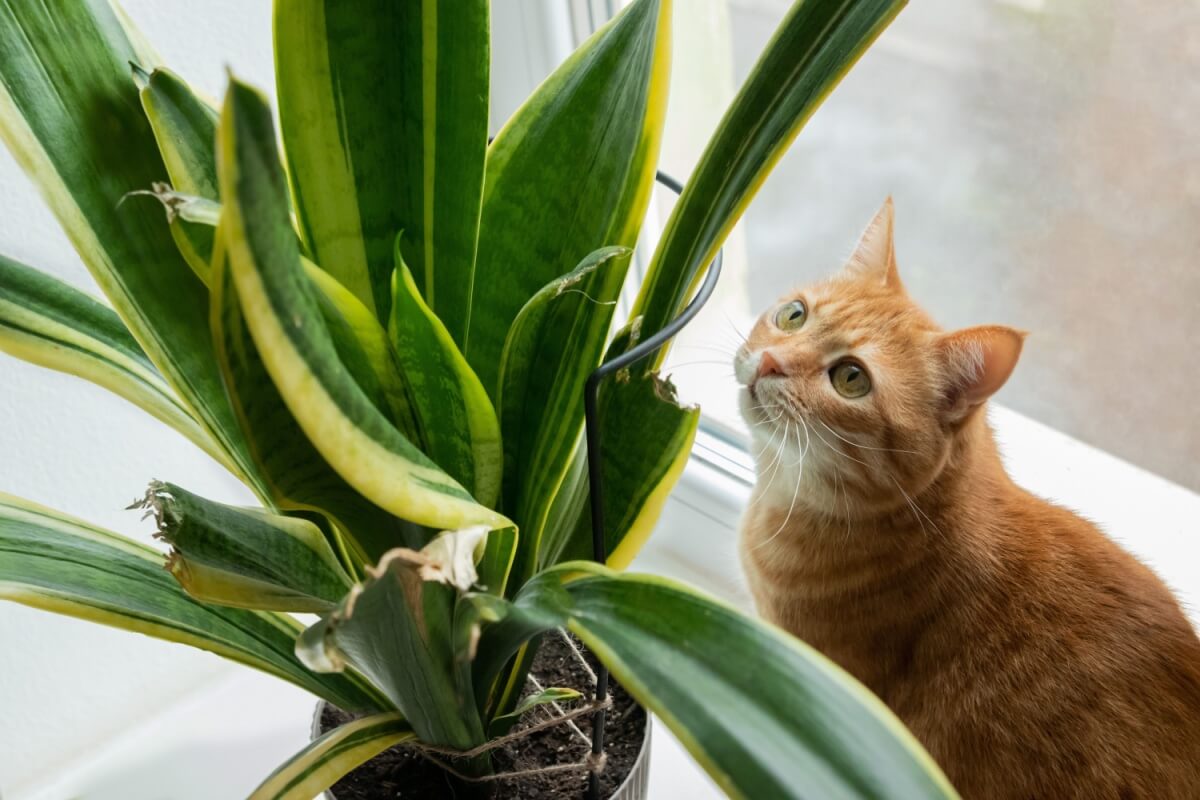
It is important to know how to identify the signs of poisoning and when to seek veterinary care.
Those who have plants at home don’t always know, but some common species in decoration can pose health risks to dogs and cats. Therefore, choice and care require extra attention from owners, as many go unnoticed on a daily basis and can cause poisoning and other health problems in their pets. pets.
Ingesting a toxic plant can cause nausea, vomiting, diarrhea and excessive salivation. Professor Mariana Teixeira, from the Veterinary Medicine course at UniRitter, explains that these are common gastrointestinal symptoms in cases of poisoning and that salivation is the result of wounds that can occur in the mouth. In addition to these, in some cases, plants can cause damage to internal organs after some time of exposure. Skin irritation and sudden discouragement are also warning signs for owners.
Species that require more attention
The lily is one of those plants that are dangerous to health animal. For cats, the flower is extremely toxic and can cause kidney damage. Even unintentional contact with pollen can be harmful to felines, as, after walking in a contaminated area or playing with the plant, the animal can lick the area with pollen to clean itself, ingesting residue.
For dogs, the cica palm, also known as sago palm and commonly used on Palm Sunday, presents risks when any part is ingested by the dog. petwith even more serious cases involving the seeds (or “nuts”) of the plant.
Common ornamental ferns, such as ferns, Saint George’s sword, calla lily, nobody can do it with me, boa constrictor, parrot’s bill, azalea and Adam’s rib, are also on the list of species that are harmful to the health of dogs and cats. For felines, in particular, anthurium, dracaena, tulip, hydrangea, lady-of-the-night, violet, amaryllis and castor bean pose a risk. For dogs, philodendron, fortune leaf, cheflera and evening primrose are toxic.
“Sometimes, the owner does not even know that the plant is toxic; that is why, in the first routine consultations, we warn about this topic and the risks that pets run with some species”, points out Mariana Teixeira. In addition to the type of flora, another important care It is with fertilizers used at home which, as they are chemical products, can harm animals.
What to do in case of poisoning?
The specialist warns that, in case of suspicion that the pet If you have ingested something inappropriate, you should not try to induce vomiting, nor wait for it to improve on its own. “Non-professional interventions and neglect they can have very serious repercussions, including reports of liver failure and very serious kidney problems, so the sooner the veterinarian can investigate and intervene, the better the animal’s chance of recovery”, explains Mariana Teixeira.
When the species is not identified, it is recommended that the owner take the plant or a photo of it to the consultation to help with the diagnosis.
How to maintain plants and pets in the same environment
It may seem like the solution is to choose between keeping pets insurance or having plants at home, but that is not the reality. “The person does not have to donate all of their plants, but if a potentially toxic species is identified, the ideal is for it to be removed from the animal’s reach”, advises the professor.
Another alternative is to have or offer animals species that do no harm as a way of enriching the environment. Cat grass, for example, is a plant that does not pose any risks to the health of cats. pets. There are also safer options, such as herbs for seasonings and teas, as well as plants such as chlorophytum, orchids, maranta and the areca palm, a type of bamboo.
Mariana Teixeira warns that, even without toxicity, the safest species should not be consumed freely by animals. “To be pet friendly This does not mean that the plant can be ingested whenever and wherever you want. Even when options are offered that animals can eat, such as cat grass or teas, care must be taken to ensure that the dog or cat does not overconsume or develop sensitivity”, he highlights.
By Carol Passos