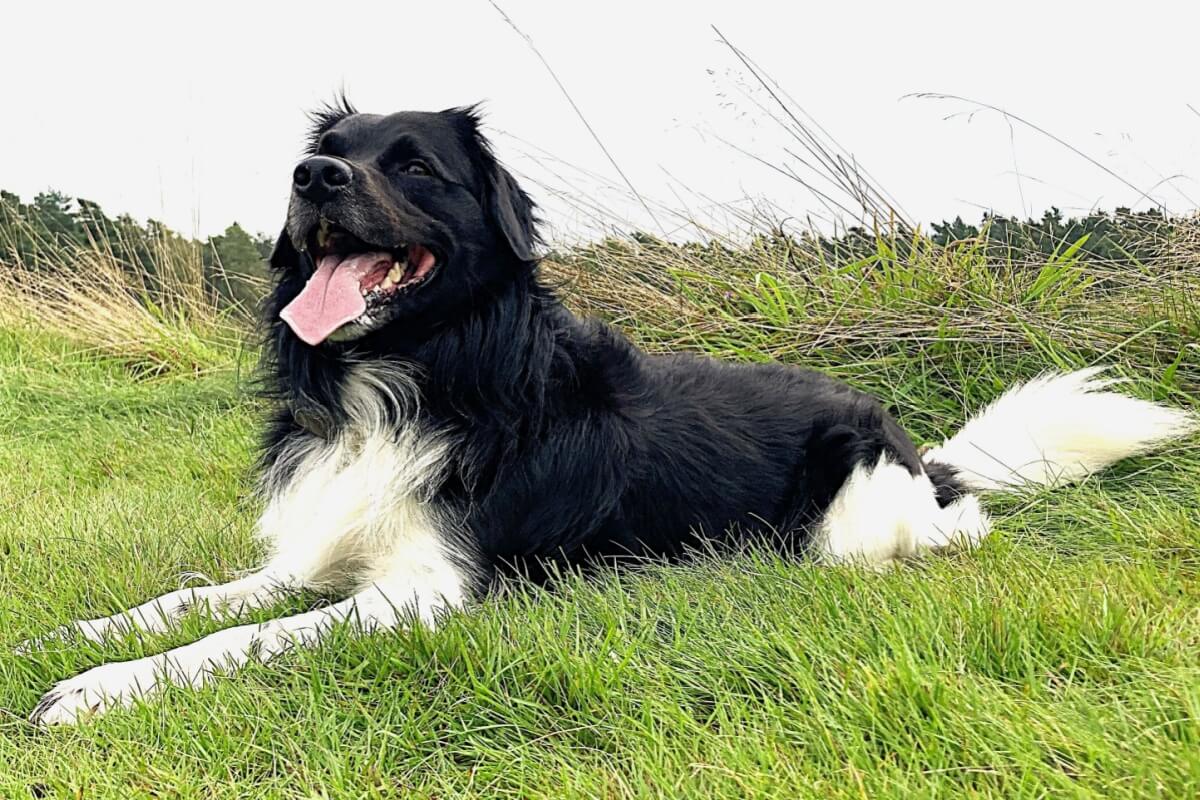
Dog of European origin combines skill in the field with balanced behavior at home
The stabyhoun is a breed that is not very common outside of Europe, but has a rich history and is closely linked to working in the field. Originally from the forest region of Friesland, in the Netherlands, this dog was developed to be versatile, working both in hunting and pest control and even in day-to-day farm tasks. According to the Brazilian Cinophilia Confederation (CBKC), his name originates from the expression “sta mij bij”, which can be translated as “stay by my side”, reflecting the close partnership between the dog and the owner.
According to the CBKC, throughout the beginning of the 20th century, the stabyhoun was crossed with other breeds, which almost led to the loss of its original characteristics. It was only after initiatives organized in the 1930s that the breed went through a process of recovery and standardization, being officially recognized a few years later. Today, it is still considered rare, but admired for its functionality and balanced temperament.
Below, find out the main features of the puppy of the stabyhoun breed!
1. Physical appearance
The stabyhoun is a medium-sized dog, with a strong and well-balanced body structure. According to CBKC, his body is slightly longer than his height at the withers, which contributes to his efficient movement and physical resistance. The overall appearance is neither too heavy nor too light, demonstrating harmony between strength and agility. Males weigh between 22 and 27 kg, while females are slightly smaller, weighing between 18 and 23 kg.
A coat It is one of the breed’s highlights. According to CBKC, the coat is medium length, straight and with a resistant undercoat, ideal for withstanding different weather conditions. There is a greater concentration of hair in the chest, neck, limbs and tail regions, creating a more voluminous appearance in these areas.
The most common colors are combinations of black and white or brown and white, and may have mottled or roan patterns. The eyes are medium in size and brown in color, while the ears are moderately long and droopy, with characteristic hair that helps to identify the breed.
2. Temperament and personality
The stabyhoun’s temperament is marked by a balance between independence and affection. According to CBKC, this is a dog who likes to be close to the tutor, but who can also demonstrate a certain autonomy in everyday life. This characteristic is linked to its history as a working dog, which needed to make decisions during activities in the field.
According to the CBKC, he is a calm dog at home and is quite vigilant, which makes him a good observer of the environment. With unfamiliar people, it tends to be initially reserved, a behavior considered typical of the breed, but it should not be excessively fearful or aggressive.
Another important point is your determination. The stabyhoun can be persistent when carrying out tasks, which in some cases can be interpreted as stubbornness. Therefore, understanding this trait helps to better deal with the animal’s behavior.
Due to its origins as a working dog, the stabyhoun has good physical resistance and needs a routine that includes a balanced diet and regular activities. The breed has a functional body structure, which reinforces the importance of maintaining adequate weight and well-developed muscles.
A food it must be adjusted according to age, size and activity level, always with the guidance of a veterinarian. Furthermore, physical exercise is essential to avoid the accumulation of energy, as this is a naturally active dog.
The coat also requires attention. Frequent brushing helps to remove dead hair and maintain a healthy appearance, in addition to preventing knots, especially in areas with greater hair density.
Stabyhoun education requires consistency and patience on the part of the owner. According to CBKC, the race may exhibit independent behavior and a tendency to follow their own instincts, making training a process that must be firm but balanced.
The use of positive reinforcement is recommended to stimulate learning, as the stabyhoun responds well to reward-based interactions. Socialization from an early age is also important so that the dog gets used to different people, environments and situations.