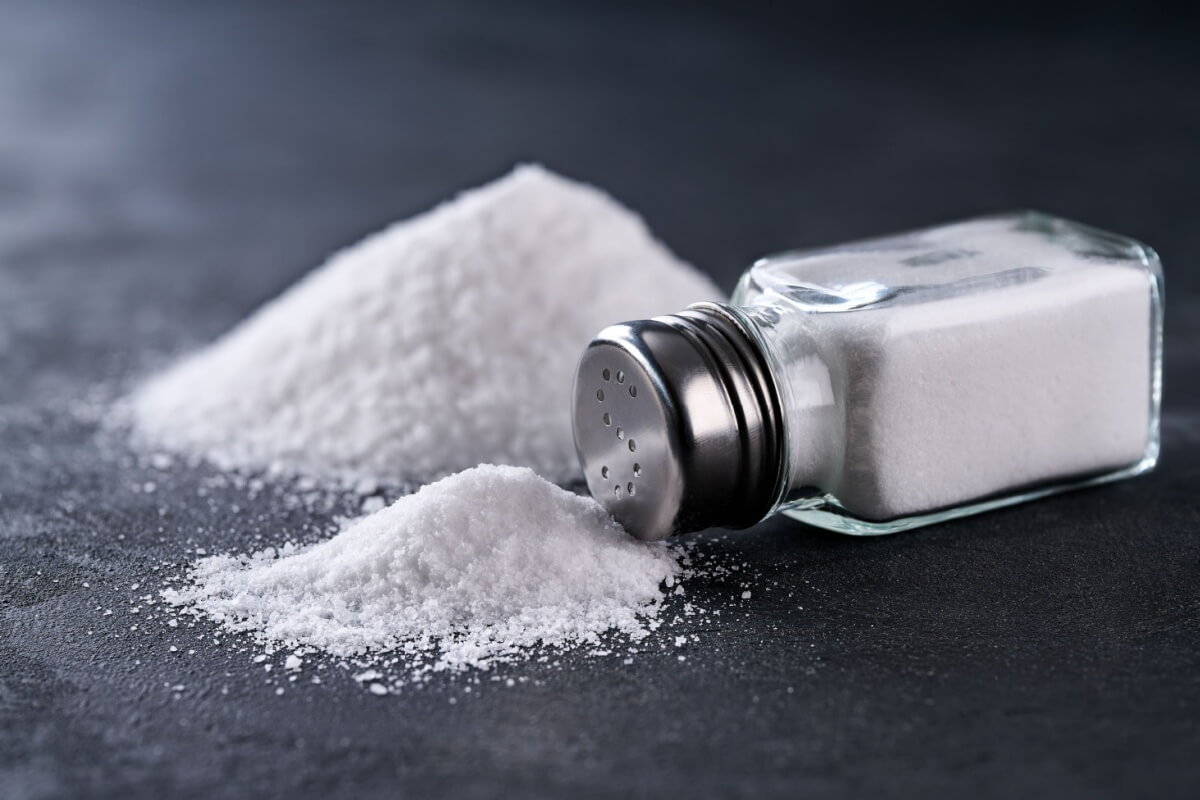
In excess, it can cause many harms to your health, increasing the risk of problems such as high blood pressure and cardiovascular diseases.
Between the 11th and 17th of May, World Salt Awareness Week takes place, a campaign that seeks to alert the population about the impacts of excessive consumption of this ingredient so present in the daily diet. Used to enhance the flavor of food and essential in practically all kitchens around the world, salt is part of many people’s eating routine.
However, when consumed in large quantities, it can cause several harms to health. “Salt is essential for the body in the balance of fluids in the body and the functioning of nerves and muscles. The problem is overdoing the dose”, explains Prof. Dr. Durval Ribas Filho, nutritionist, Fellow of The Obesity Society – TOS (USA) and president of the Brazilian Association of Nutrology (ABRAN).
Amount of salt per day
According to the World Health Organization (WHO), the recommendation is up to 5 grams of salt per day, equivalent to about a level teaspoon or less than 2,000 mg of sodium daily. However, despite the guidance, the global average consumption is still high, reaching around 10 to 11 grams per day, more than double the recommended limit.
“Excessive salt consumption remains one of the main risk factors for chronic diseases in the world, but there is still a common confusion: the difference between salt and sodium. The salt in our daily lives is made up of sodium and chlorine. Sodium is the mineral that is part of salt and also of several processed foodseven when they don’t taste salty”, explains the doctor.
Risks of excess salt in your diet
Raising awareness about the balanced use of salt is essential to promote healthier eating habits and improve quality of life. “Excess is directly associated with increased blood pressure, kidney overload, increased risk of events such as heart attack and stroke. Reducing consumption is an essential measure for preventing cardiovascular problems and promoting public health”, highlights Prof. Dr. Durval Ribas Filho.
Be careful with your daily salt intake
Below, Prof. Dr. Durval Ribas Filho lists some tips to reduce salt consumption in everyday life and protect your health. Check it out!
1. Always vigilant
Try to limit your consumption to no more than 5 grams of salt per day. Acquire this habit, little by little.
2. healthy dishl
Prioritize food in nature or minimally processed. Ultra-processed products can contain high levels of sodium.
3. At the time of purchase
At the supermarket, read the labels, compare brands and opt for versions with lower sodium content. Pay attention to foods that appear to be healthy and that give the impression that they are not “salty” but may be high in salt, such as certain breakfast cereals.
4. No salt shaker nearby
Avoid adding salt to food at the table. It is the first step in reducing consumption, which can be gradual, so that the palate can slowly re-educate itself.
5. Smart exchanges
Reduce salt when preparing at home and replace it with natural and fresh seasonings, such as garlic, parsley, onion, bay leavescoriander and pepper. They bring new flavors, without you noticing the lack of salt. Also, avoid ready-made seasonings.
6. Get out “hidden”
Be alert: sausages, concentrated broths, ready-made sauces, breads, biscuits, snacks, instant noodles, frozen meals, cheeses, canned goods and even soft drinks can contain high sodium content.
7. Groups of risk
People with high blood pressure, the elderly, individuals with cardiovascular diseases and children need to be extra careful when consuming too much salt.
Salt is not the villain: it all depends on the quantity
The Prof. Dr. Durval Ribas Filho reminds us that salt is not 100% bad for your health. According to him, the ingredient is necessary to maintain, mainly, the liquid balance inside and outside cells. “In adequate amounts, it helps regulate heart rate, blood volume, the transmission of nerve impulses, muscle contraction, kidney function and facilitates energy production”, he explains.
In addition, salt also helps replace sodium eliminated through sweat, especially for those who practice physical activity. “Therefore, it should not be completely excluded from any diet. The harm that salt can cause comes from a dose above our body’s needs”, he concludes.
By Edna Vairoletti