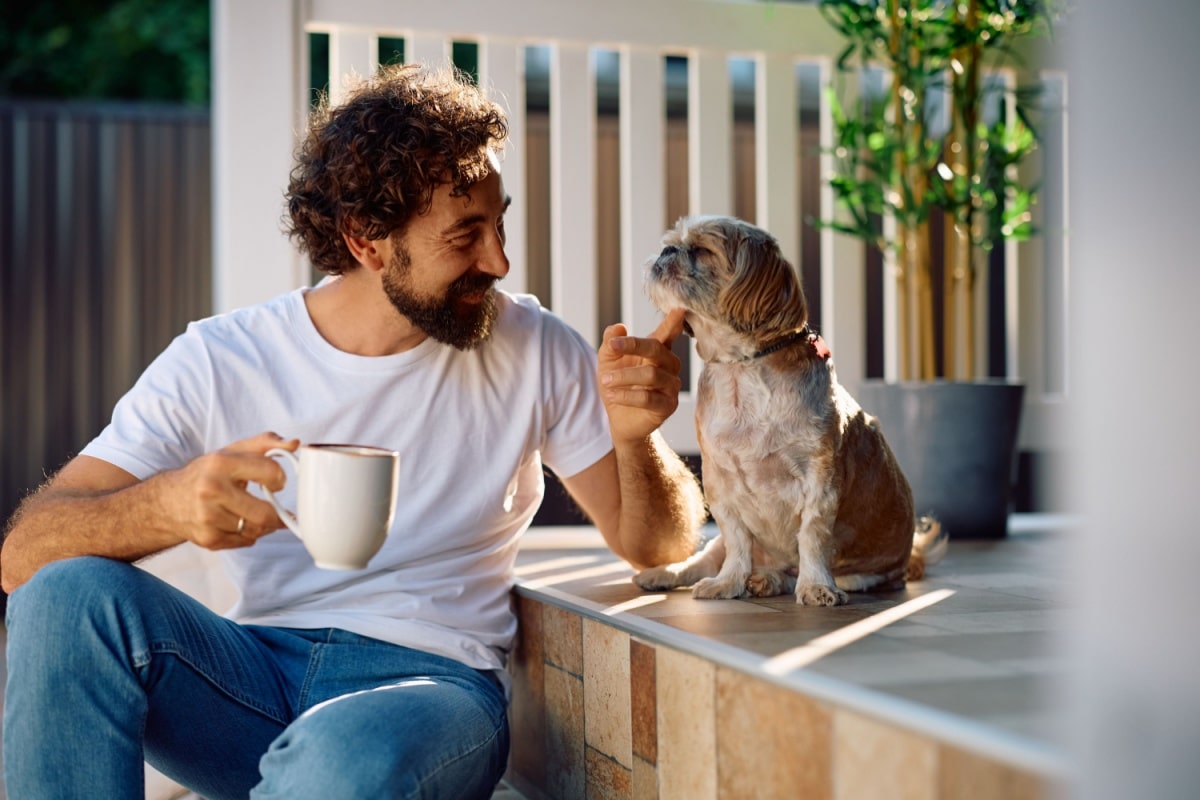
Small changes in daily life can help your pet feel safer and more comfortable.
EdiCase Editorial
Creating a trusting relationship with a dog is one of the most important steps to ensuring the animal’s well-being and a harmonious coexistence within the home. When the dog feels safe next to its owner, it tends to show less fear, anxiety and defensive behaviors, in addition to becoming more receptive to interactions, training and moments of affection.
While some dogs are naturally sociable and adapt quickly to new environments and people, others may take longer to develop trust. This is quite common in recently adopted animals, which have experienced abandonment, mistreatment or frequent changes of environment. Fortunately, some simple habits can help strengthen this bond and make your dog feel protected and welcomed. Check it out!
1. Respect the animal’s time and limits
Each dog has its own personality and pace of adaptation. Some demonstrate confidence quickly, while others need days, weeks, or even months to feel comfortable. Therefore, it is important to avoid forcing physical contact, hugs or games when the animal shows signs of fear or insecurity. Allowing him to approach you spontaneously helps build a relationship based on respect.
2. Maintain a predictable routine
Dogs feel calmer when they can predict what will happen throughout the day. Regular times for eating, walking, playing and resting help the animal understand its routine and reduce the feeling of insecurity. On the other hand, constant changes can generate stress and make adaptation difficult, especially in more sensitive dogs.
3. Use positive reinforcement in interactions
Positive reinforcement is one of the most effective ways to build trust and encourage desired behaviors. Whenever the dog shows a positive attitude, such as responding to a command, remaining calm or interact in a friendly wayhe can receive praise, affection or treats. This method helps the animal associate the owner’s presence with pleasant experiences.
4. Learn to interpret body language
Dogs communicate primarily through body language. Tail movements, ear position, body posture and facial expressions provide important information about how the animal is feeling. A dog that avoids eye contact, keeps its body hunched over, or shows signs of tension may be uncomfortable.
5. Offer quality time together
Trust is also built through shared experiences. Quiet walks, games appropriate to the age and size of the animal, environmental enrichment sessions and moments of relaxation help to strengthen the emotional bond.
6. Avoid attitudes that provoke fear
Some seemingly harmless actions can scare the dog and compromise the building of trust. Sudden movements, shouting, chasing during play or punishment can make the animal associate the owner with negative experiences. The ideal is to use a calm approach, with a calm voice and soft gestures.
7. Be patient and consistent
Earning a dog’s trust doesn’t happen overnight. It is a continuous process that requires patiencededication and consistency in attitudes. Small advances should be valued, especially in dogs that have been through traumatic experiences. Over time, the combination of respect, affection, routine and positive interactions helps to create a solid relationship, based on security and mutual affection.