Animal behavior specialist shares practical guidance to ensure greater safety and well-being for dogs and cats
EdiCase Editorial
June is one of the busiest months of the year for many Brazilian families. This year, in addition to the traditional June festivities, marked by bonfires, fireworks, loud music and large numbers of people, the period is also coinciding with the World Cup, which brings together fans in get-togethers, gatherings at home and celebrations that tend to alter the routine of homes.
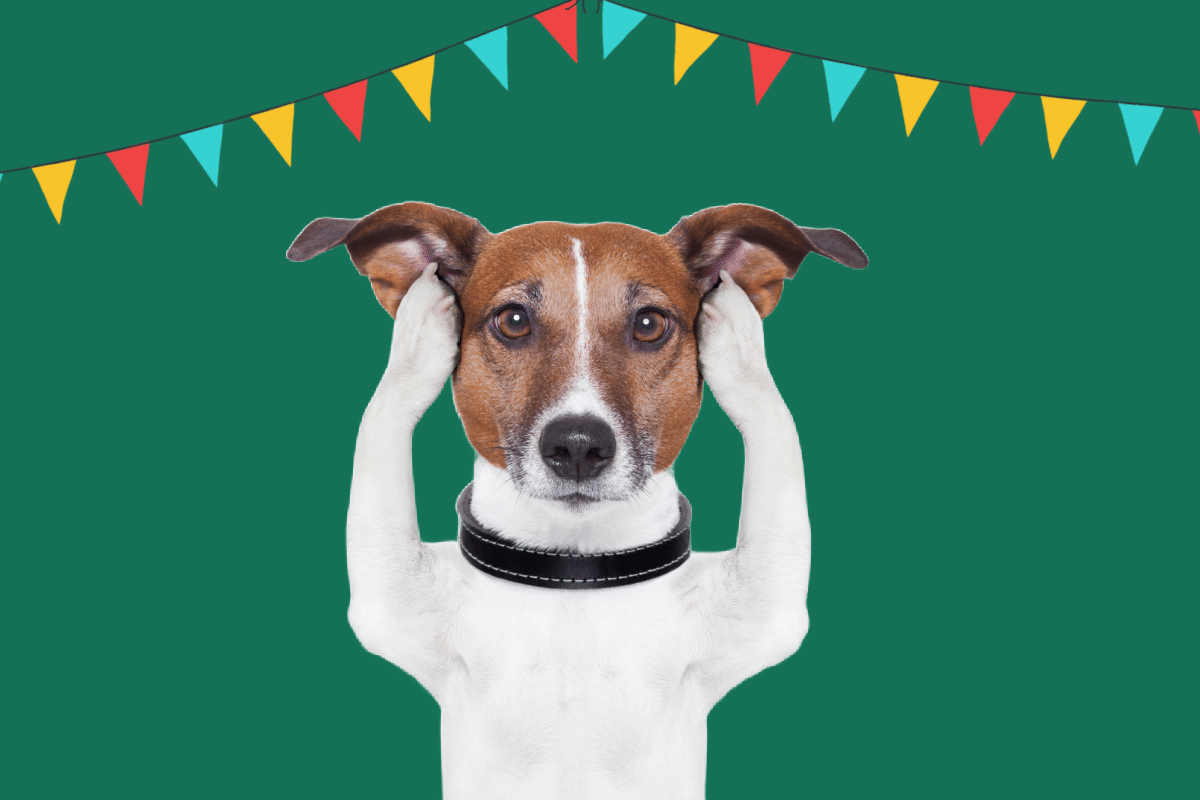
Although these are moments of fun for humans, the combination of noise, intense movement and busier environments can represent a challenge for dogs and cats. According to a Petlove survey released at the end of 2025, 84% of pets suffer from the noise of fireworks. The survey also reveals that 66% of tutors have already had a pet that escaped or know of an animal that escaped because of the noise.
Furthermore, veterinarians interviewed in the survey reported that 91% of pets show signs of anxiety or extreme fear related to fireworks, while 65% of animals suffered episodes of escape, disappearance or being run over due to panic caused by the noise.
At this time of year, for Beatriz França, a specialist in animal behavior and founder of Creche Escola BFA, in Brazil, and PETland BFA, in Miami, the risks go far beyond fireworks. “When we talk about June festivities and major sporting events, we need to consider the set of stimuli. There are people entering and leaving the house, doors open for longer, loud music, shouts of celebration, changes in routine and even dangerous foods circulating around the environment. All of this can generate stress, fear and increase the risk of accidents”, he explains.
Next, the specialist shares fundamental precautions to ensure the safety of pets during the World Cup and the June festivals. Check it out!
1. Create a safe space at home
Creating a refuge at home is one of the main recommendations for reducing animal stress during periods of high noise. “Ideally, the pet have access to a peaceful environment, away from the busiest areas of the house. This space should have a bed, water, toys and familiar objects, which help to convey a feeling of security. Many animals naturally look for more protected places when they feel threatened by intense sounds”, advises Beatriz França.
2. Pay extra attention to avoid leaks
In addition to the stress caused by noise, periods of parties and celebrations also increase the risk of escapes. “During parties and meetings, it is common for doors and gates to remain open for longer, increasing the risk of escapes. Fear is one of the main causes of escape in dogs and cats. An unexpected bang can trigger an instantaneous reaction. Therefore, it is important to check fences, gates and protective screens, in addition to keeping up-to-date identification on the collar and, if possible, microchipping”, recommends the specialist.
Typical festive foods also require attention from guardians. “Corn, cake and other foods may seem harmless, but many typical June festival recipes contain ingredients that are unsuitable for dogs and cats”, explains Beatriz França.
Although many foods arouse the curiosity of petsnot everything consumed by humans is safe for dogs and cats. “Chocolate, onion, garlic, raisins, artificial sweeteners, alcoholic beverages and very fatty preparations are among the main risks. Even seemingly simple foods can cause gastrointestinal discomfort or more serious problems depending on the quantity ingested”, he warns.
4. Watch for signs of anxiety and stress
Tremors, rapid breathing, excessive salivation, intense vocalization, attempts to hide and destructive behavior are among the most common signs of emotional discomfort. “Often, owners believe that the animal is just momentarily scared, but the stress can be quite intense. Identifying these signs early helps to act before the situation evolves into episodes of panic or accidents”, adds the specialist.
5. Plan your routine on game days and celebrations
The World Cup is expected to involve family gatherings and meetings between friends over the next few weeks, which could significantly change the animals’ routine. “Dogs and cats benefit from predictability. Whenever possible, maintain feeding schedules, walks and rest close to usual. If you know there will be a busier celebration, try offering physical activities and stimulation before the event so that the animal is more relaxed”, he suggests.
According to Beatriz França, the main objective of tutors should be to minimize stressful stimuli and ensure that the pet have alternatives to deal with excess movement. “We are not always able to control the external environment, but we can prepare the internal environment. When the animal feels safe, welcomed and protected, it can go through these periods in a much calmer and healthier way”, he concludes.
By Samuel Alexandre