Using toothpaste, butter and ice are among the most common practices that can aggravate the condition.
EdiCase Editorial
Burns are among the most frequent domestic accidents and can happen in simple everyday situations, such as contact with boiling water, hot oil, steam, an iron or even the shower. Although many injuries are considered minor, care taken immediately afterwards can make all the difference in recovery.
According to Orido Pinheiro, plastic surgeon and professor at Afya Unigranrio Barra da Tijuca, the burn continues to evolve even after contact with the heat source. Therefore, some popular measures, passed down from generation to generation, may end up aggravating the injury.
Below, check out 5 mistakes that should be avoided in the first few minutes after a burn.
1. Apply toothpaste to the area
Toothpaste is one of the most popular homemade recipes when it comes to burns, but it has no proven benefits. In addition to not helping with healing, it can irritate the skin injured and make medical evaluation difficult. “These substances have no proven benefit. In some cases, they can even increase the risk of infection and make adequate treatment difficult”, explains Orido Pinheiro.
2. Applying butter, oil or other homemade substances
Butter, cooking oil, coffee grounds, egg whites and other products frequently used at home should also be avoided. These substances create a barrier on the skin that makes it difficult to dissipate heat, which can contribute to worsening the burn. Furthermore, they increase the risk of contamination of the injured area.
3. Put ice directly on the burn
Ice may feel like pain relief immediately, but this practice can cause even more pain. tissue damage already committed. Direct contact with ice or very cold water can cause further damage to the skin, deepening the injury and making recovery difficult.
4. Pop the bubbles
Blisters are a natural protective mechanism for the body. Breaking them on your own significantly increases the risk of infections and can slow the healing process. If they appear, the ideal is to keep the region protected and seek medical advice, especially if they are extensive or located in sensitive areas of the body.
5. Ignoring signs of severity
Not every burn requires hospital care, but some situations deserve immediate medical evaluation. Burns with extensive blisters, injuries to the face, hands, feet, genitals or joints, whitish or darkened areas, loss of sensitivity and burns caused by chemicals or electricity should be examined by a healthcare professional.
What to do after a burn?
According to Orido Pinheiro, the first correct measure after a burn is to cool the area with running water at room temperature for around 10 to 20 minutes. “The burn continues to evolve even after contact with the heat source. Adequate cooling helps to stop this process and can limit the depth of the injury”, he says.
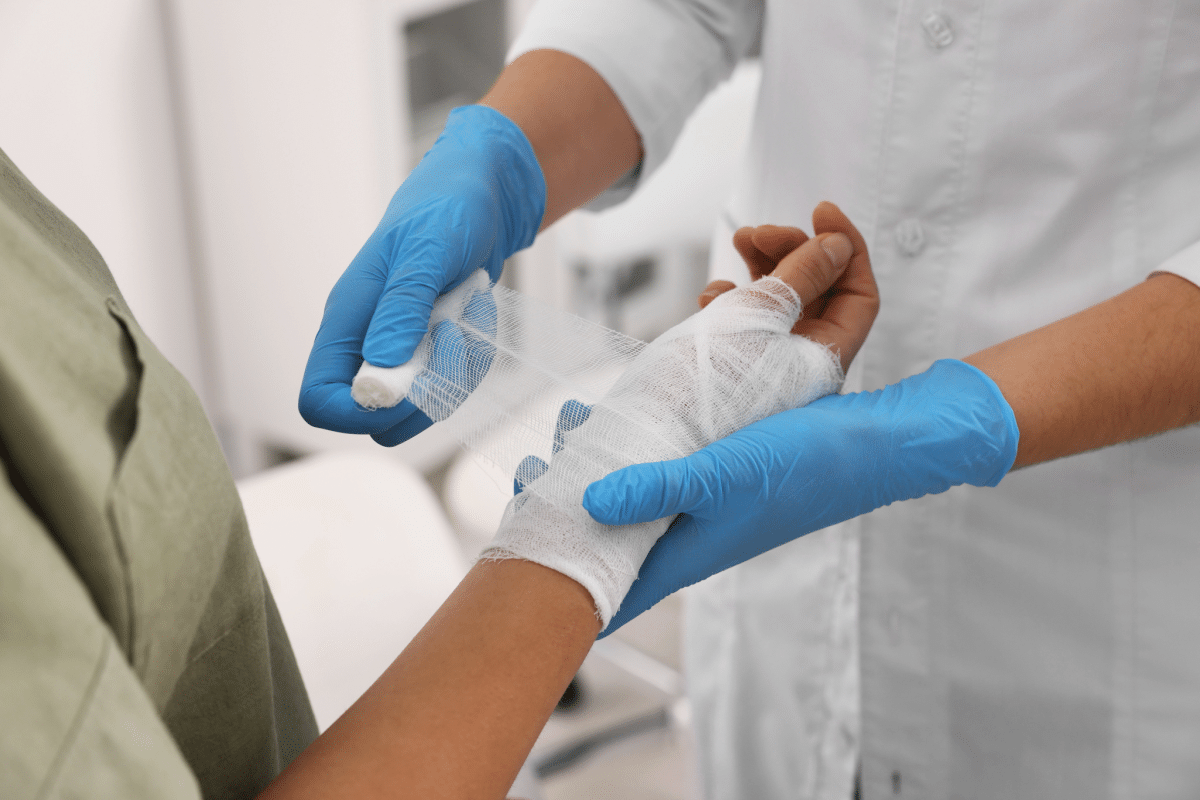
Furthermore, it is important to remove rings, bracelets, watches and other accessories that could compress the area in case of swelling. Afterwards, the region must be protected with a clean cloth or gauze until medical evaluation, when necessary.
In serious cases, it is recommended to immediately call Samu (192) or the Fire Department (193).
By Beatriz Felicio