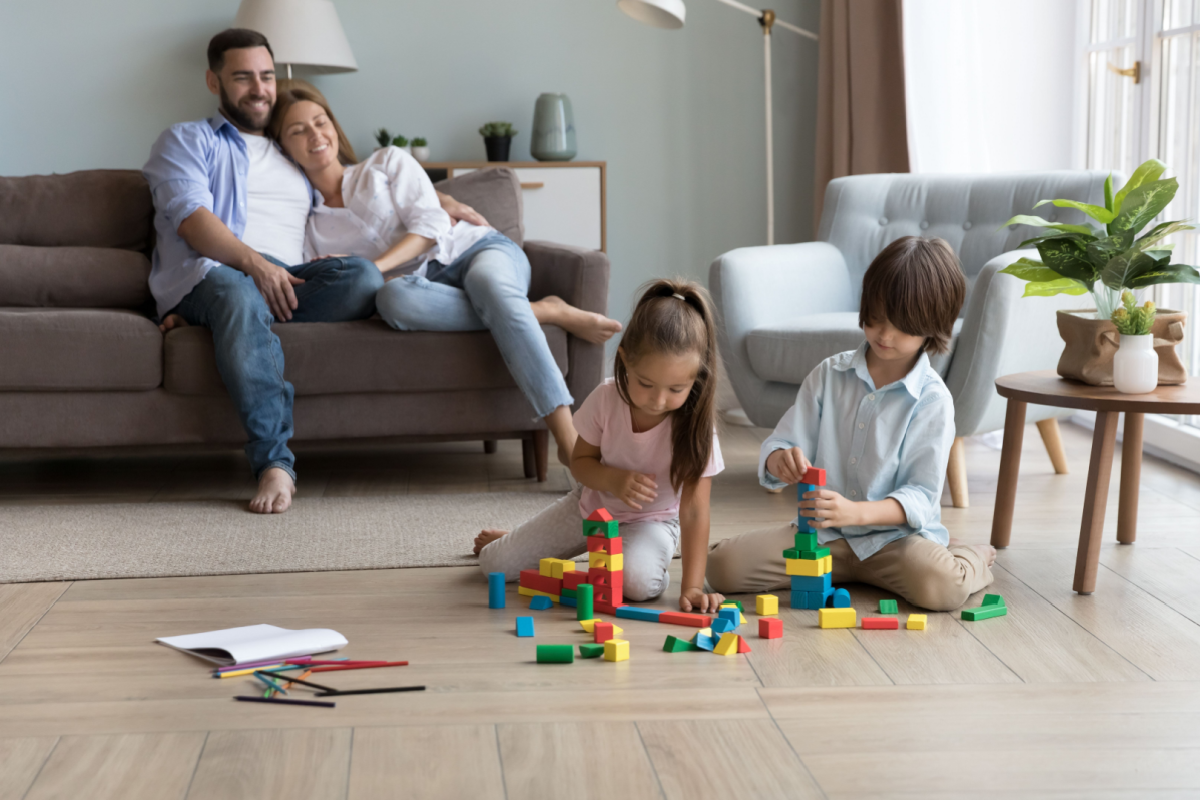
Exploring the world with curiosity and energy without adult supervision can lead children into dangerous situations
EdiCase Editorial
As the July school holidays approach, children are spending more time at home, parks, clubs, beaches and condominiums. The season, marked by fun and freedom, also requires extra attention from parents and guardians to avoid accidents and exposure to dangerous activities. By investing in safe and fun games, it is possible to guarantee moments of joy so that everyone can make the most of their rest days with peace of mind and well-being.
“Activities both inside and outside the home awaken curiosity in young children and, despite being a healthy impulse, without the supervision of a responsible person, they can cause dangerous situations, especially when children try to repeat what they see on the internet or play without adequate structure”, highlights educational psychologist and children’s writer Paula Furtado.
The expert details that dangerous interactions are those that put the child at physical, emotional or psychological risk. They often seem “harmless” at first glance, but they involve falls, suffocation, excessive exposure, challenges that humiliate or put the child’s physical integrity and emotional health at risk.
How to reduce accidents during vacation?
Inside the house, climbing furniture, jumping out of bed, running on stairs, playing with sharp objects, shocks from sockets and burning with pans on the stove are games and accidents common. Outside the home, you need to be extra careful with swimming pools, unprotected bicycles, playing on the street without supervision or in unfamiliar places. “Protectors, locks and organization of spaces help a lot and bring more peace of mind to adults”, reinforces the specialist.
The construction of children’s autonomy must happen gradually and always according to the age group. Younger children require closer supervision, and moments of independence can be expanded as they mature and demonstrate responsibility.
“Until the age of seven, direct supervision by parents or guardians is essential. From then on, it is important to introduce conversations about responsibility and limits, expanding spaces of freedom in a safe way and respecting the development of each child”, explains Paula Furtado.
Virtual challenges also pose risks
Online entertainment and challenges also need to be on parents’ radar. “On the internet, the danger is quieter. Videos with challenges, violent ‘pranks’, games that involve dynamics that go beyond a simple pastime or encourage self-harm or exclusion, all of this can profoundly affect self-esteem and security children’s emotional state”, warns Paula Furtado.
For the specialist, it is important to be aware of signs of exposure in childhood, such as changes in behavior, irritability, isolation, excessive fear or confusing reports about games, which may indicate that something is not right — listening, without judgment, is essential to offering the necessary support.
Furthermore, the pressure to participate in dangerous games, often expressed by phrases such as “everyone does it” or “if I don’t do it, I’ll be made fun of”, must be faced with acceptance and reinforcement of self-esteem. “Teaching children that they can say no with courage is an important way to protect them and promote a safer and healthier environment for their development”, he advises.
Environments that require constant vigilance
Finally, the educational psychologist lists some environments and critical points that deserve active parental supervision, clear rules and continuous attention from those responsible during children’s games. children:
- Praia: drownings, sunstroke, floods;
- Campo: venomous animals, falls, burns;
- Condominium: playing on stairs, elevators or roofs, places with a risk of electric shock;
- Clubs: carelessness in swimming pools or slippery areas.
“There is no childhood without adventure, but it is our responsibility to create environments with limits, where children can experiment, to grow and make mistakes without getting hurt. Safe play is one that generates learning, laughter and good memory. Active supervision, clear rules and continuous attention are essential”, concludes the educator.
By Elenice Costola