Although they appear similar, the exams serve different objectives and can directly impact academic and professional decisions
EdiCase Editorial
When choosing an English certification, it is common to have doubts between the Test of English for International Communication (TOEIC) eo Test of English as a Foreign Language (TOEFL). Despite being internationally recognized, the two exams are not equivalent: each was developed to assess specific skills and meet different objectives.
While one measures the ability to communicate in the workplace, the other assesses language proficiency for academic purposes. Confusing the two (and fearing them equally) can lead professionals and students to forego certifications that could transform their trajectories.
According to the EF English Proficiency Index 2025, Brazil advanced six positions and reached 75th place in the ranking global of English proficiencyregistering an increase of 16 points in relation to the previous edition. The progress is significant, but the country still remains in the low proficiency range and below the global average, which reinforces the urgency of initiatives that bring students and professionals closer to international certifications recognized by the market.
How does TOEFL work?
The TOEFL, developed by Educational Testing Service (ETS), is designed to assess academic English proficiency. Required by universities around the world, such as in the United States, Canada, United Kingdom and Australia, the exam covers four skills: reading, writing, listening and speaking, lasting around two hours. It is aimed mainly at those looking to enroll in undergraduate, postgraduate or academic exchange programs abroad.
What about TOEIC certification?
The TOEIC, also developed by ETS, has a different approach: it measures the ability to use English in everyday professional situations, such as meetings, sending emails, negotiations, reports and even customer service. The test is used in more than 180 countries by around 14,000 organizations and carried out by more than eight million people per year around the world.
An important point to be highlighted is that the exam does not disapprove. It positions the candidate on a scale of proficiency, from basic to advanced level, without elimination. This format makes the TOEIC especially accessible to those who are entering the job market or seeking recognition of skills in corporate contexts.
“The candidate’s biggest opponent is not the exam, but the narrative that they may end up building about the exam before even registering”, says Monica Pasello, CEO of TOEIC Brasil, who adds: “When people understand that the TOEIC, for example, does not have a qualifying cut-off score, but rather a map of where they are and where they can go, their relationship with the test changes completely”.
Main differences between the tests
Although both are international certifications of proficiency in Englisho Test of English for International Communication (TOEIC) eo Test of English as a Foreign Language (TOEFL) have important differences. Check out the main ones:
Aim
The TOEFL is aimed at those who want to enter educational institutions abroad, such as universities and exchange programs. The TOEIC focuses on the professional environment, being used to prove proficiency in English in corporate contexts.
Skills assessed
Both TOEFL and TOEIC assess the four language skills: reading, writing, listening and speaking.
Result
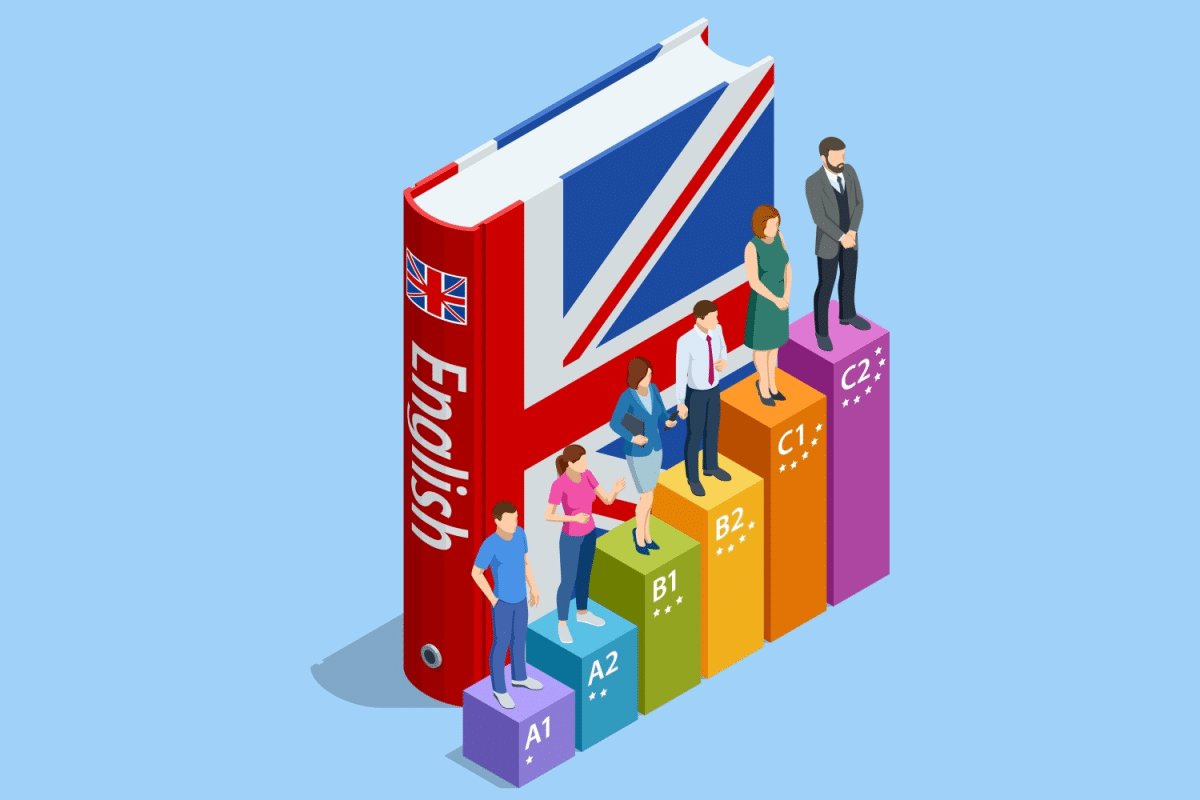
In TOEFL, the candidate receives a score that must meet the requirements of the chosen educational institution. In TOEIC, the result is presented on a proficiency scale, from level A1 to C1, without failure.
Average duration
The TOEFL takes about two hours. TOEIC can vary from approximately 15 minutes to 3h30, depending on the modality performed, while TOEIC Link has an average duration of 90 minutes.
Primary audience
TOEFL is recommended for students who intend to pursue undergraduate, postgraduate or exchange studies abroad. TOEIC is aimed at professionals, recent graduates and students of technical and technological courses.
Certificate validity
TOEFL and TOEIC certifications are valid for two years.
How to choose the exam that makes the most sense?
The choice must be guided by concrete objectives, not by the degree of perceived difficulty, according to Monica Pasello. For those who are completing a technical or technological course and want to stand out in the Brazilian job market, or seek opportunities in companies with international operations, the TOEIC represents a more direct path and aligned with the requirements of corporate recruitment. For those planning a master’s or doctorate abroad, the TOEFL is the natural path.
The expert adds that, in both cases, the candidate must start the process with the diagnosis, and not by enrolling in the best-known test. “Preparation platforms, official simulations and free placement tests are available on the ETS and its representatives’ portals in Brazil, allowing each person to understand their starting point before defining which certification to pursue”, he concludes.
By Rodrigo Sodré