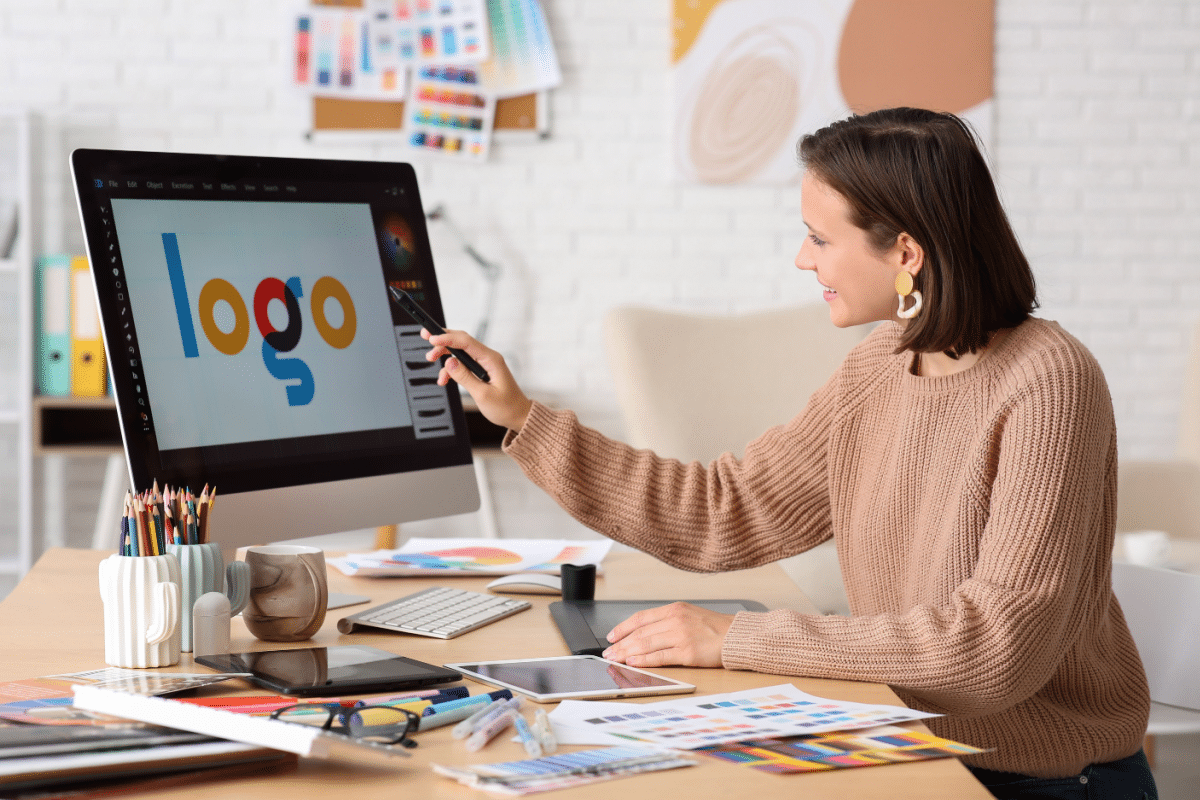
Expert explains how the area connects creativity, strategy and innovation to develop people-centered solutions
EdiCase Editorial
Design is present in practically everything that is part of everyday life, from cell phone applications to furniture, packaging and digital services. Although many people still relate the profession only to the creation of visual elements, the area has evolved and started to play a strategic role, combining creativity, innovation and planning to develop solutions that meet people’s needs.
“Design is a way of thinking. Before creating any solution, the designer seeks to understand people’s needs, the context in which they are inserted and how a given experience can be improved. Aesthetics are important, but they are part of a much larger process”, says Carolina Bustos Raffainer, coordinator of the Design course at ESPM.
For the specialist, developing design thinking brings benefits that can be applied in both professional and personal life. Below, check out five of them!
1. Develop empathy
All design project It starts with listening and observation. Understanding different needs, behaviors and expectations allows you to create more relevant solutions and strengthens your ability to put yourself in someone else’s shoes.
2. Solve problems creatively
More than finding quick answers, design encourages you to investigate the origins of challenges, analyze different possibilities and build innovative solutions for complex situations.
Testing, adjusting and improving are part of the creative process. In design, mistakes stop being an obstacle and become an opportunity to learn and evolve ideas.
4. Expand your repertoire
The designer is in constant contact with different areas of knowledge, such as technology, culture, communication, business and behavior. This diversity of references expands the ability to make connections and see new possibilities.
5. Think strategically
In addition to visual creation, design contributes to organizing information, improve experiences and generate value for companies, institutions and people. Today, professionals in the field participate in strategic decisions in different market segments.
In Carolina’s assessment, these skills make design increasingly relevant in a world marked by rapid changes and complex challenges. “We live in a society in constant transformation, in which solutions need to keep up with people’s needs. Design thinking encourages curiosity, collaboration and the ability to adapt, essential characteristics for innovating in any area of activity”, he says.
Another differentiator of the area is its multidisciplinary nature. By bringing together knowledge from different fields, design favors collaborative work and expands understanding of how products, services and experiences impact people’s lives.
“The designer works by connecting different perspectives. In addition to creating objects or visual pieces, he designs experiences, organizes systems and seeks to generate a positive impact on society. It is an activity that requires sensitivity, strategic vision and a willingness to continually learn”, concludes the expert.
By Nagila Pires