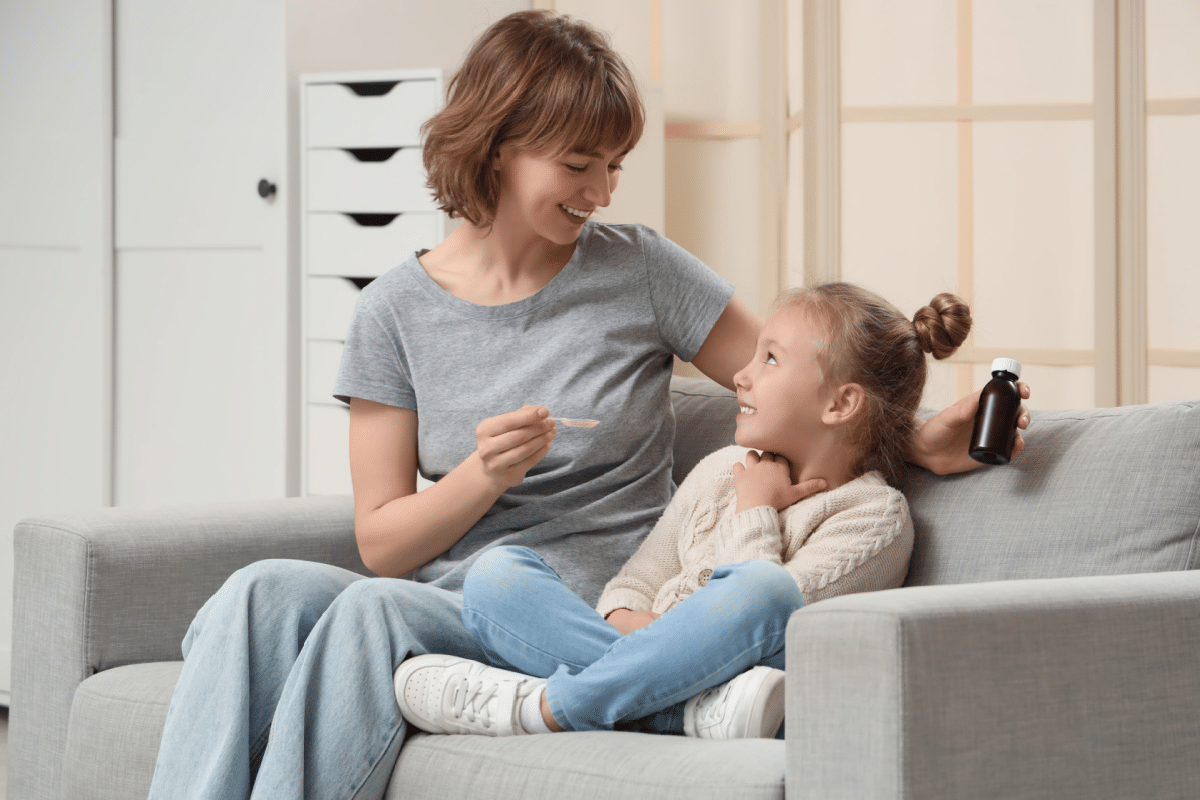
Simple measures help to reduce unnecessary care and ensure greater safety for children
EdiCase Editorial
Winter is usually marked by an increase in cases of respiratory diseases and other infections among children. At this time, recognizing the signs that truly indicate an emergency helps avoid unnecessary trips to the children’s emergency room and ensures the most appropriate treatment.
The Brazilian Society of Pediatrics (SBP) reinforces that, although the volume of cases is frightening, children in early childhood are expected to face 8 to 12 infectious episodes per year. The challenge for parents is knowing how to differentiate the common situation from a real emergency.
To help families get through this period without unnecessary trips to emergency rooms, experts list five fundamental guidelines. Check it out!
1. Fever is not necessarily a reason for panic
Fever in children is not always a reason to panic. In most cases, it is the body’s natural response to fight infections caused by viruses or bacteria, indicating that the immune system is in action.
“We must avoid unnecessary trips to the emergency room. It is important, in these cases, to keep an eye on the child’s general condition. If the child remains active (plays, accepts food well and does not present other symptoms), medical advice is to observe the condition before seeking an emergency room”, says Maria da Glória Neiva, doctor responsible for Pediatrics at Hospital Vitória Barra.
Basic care at home is usually sufficient when the condition does not show signs of severity. “Some care are essential during this period, such as offering plenty of fluids, washing the nose with saline solution, resting, opting for a light diet depending on acceptance and contacting the pediatrician if new symptoms appear”, explains the doctor.
However, if the fever persists for several days, is very high or is accompanied by difficulty breathing, excessive drowsiness, seizures or other warning signs, it is essential to seek medical attention immediately.
2. Pharmacy at home and pediatrician’s guide
For Christine Tamar, medical coordinator of the Pediatric Emergency at Complexo Hospitalar de Niterói, from Rede Américas, there is no need for symptoms to appear to seek help. She advises parents to have a basic “pharmacy” at home prescribed by a trusted pediatrician.
“Prevention starts before the symptom. Having antipyretics and analgesics prescribed by the pediatrician, in the exact doses for the child’s current weight, is essential. When parents already have a action plan discussed with the doctor, anxiety decreases and unnecessary trips to the emergency room are avoided. Furthermore, it is important to regularly check the validity of medicines before using them”, he states.
3. Collective conscience: sick children stay at home
Christine Tamar also warns of the need to isolate the child at home in case of suspected viruses or other contagious diseases, such as flu and colds. According to the doctor, at the slightest sign of fever, diarrhea or spots on the skin, the child must remain at rest, at home. This ensures her faster recovery and protects other children and peers from possible outbreaks.
“The best place for a child with symptoms to be is their home. When you notice fever, diarrhea or spots on the skin, immediate rest and isolation are essential. In addition to ensuring that the little one recovers more quickly and comfortably, this is an attitude of affection and responsibility towards other children, as it helps to interrupt transmission cycles and prevent outbreaks at school”, he states.
4. Up-to-date vaccinations reduce the risk of outbreaks
For Luísa Chebabo, infectious disease specialist at the Sérgio Franco and Bronstein laboratories, at Dasa, in Rio de Janeiro, updating the health record vaccination is the most effective measure to prevent outbreaks of preventable diseases.
She states that parents and guardians should check booster doses for measles, mumps and rubella (triple viral), meningococcal B and ACWY vaccines, in addition to the pneumococcal vaccine, which protects against bacterial pneumonia, meningitis and otitis, in addition to HPV immunizations for adolescents. It is also important to have your influenza and covid-19 vaccines up to date.
“Vaccination is the main barrier against preventable infectious diseases. Close and continuous contact between children and adolescents in schools favors the spread of pathogens when there are failures in immunization. Checking the vaccination card is essential for not only individual but collective protection, drastically reducing the chances of outbreaks. […]”, details the infectious disease specialist.
When should you really seek pediatric emergency care?
According to Maria da Glória Neiva, some signs must be observed and require immediate medical help. Pay attention to cases of:
- Difficulty for breathe (strain in the ribs or flaring of the nose);
- Extreme prostration (child who does not interact even without fever);
- Refusal of liquids with signs of dehydration (little pee and dry mouth);
- Persistent fever and fever in infants under 3 months.
By Rachel Lopez