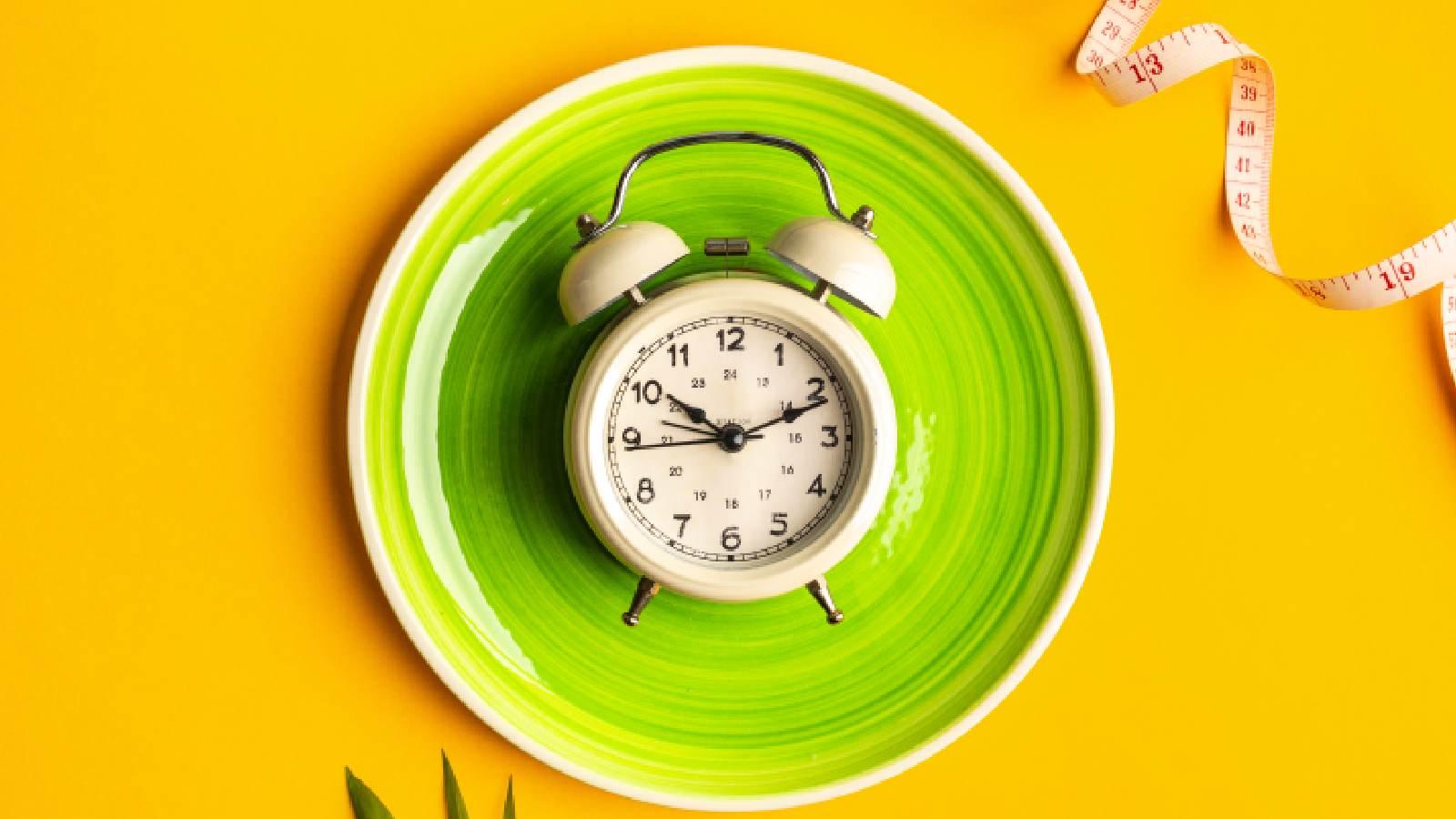
In a world of ever-changing diet trends and weight loss fads, one method has been gaining popularity for its simplicity and effectiveness: 16/8 intermittent fasting. This approach to eating involves restricting your food intake to an 8-hour window each day, with a fasting period of 16 hours. But the question remains: is this diet plan truly good for you, or could it have negative effects on your health? Let’s delve into the world of intermittent fasting to uncover the truth behind this trend.
1. The Science behind 16/8 Intermittent Fasting
Intermittent fasting has gained popularity in recent years, with the 16/8 method being one of the most well-known approaches. This method involves fasting for 16 hours and eating within an 8-hour window each day. But what is the science behind this fasting pattern?
Studies have shown that intermittent fasting can lead to weight loss, improved metabolic health, and even increased longevity. By giving your body a break from constantly digesting food, you allow it to enter a state of ketosis, where it starts burning stored fat for energy. This can help promote weight loss and reduce inflammation in the body. Additionally, intermittent fasting has been shown to improve insulin sensitivity, reduce oxidative stress, and promote cellular repair processes. suggests that it may have numerous health benefits beyond just weight loss.
2. Pros and Cons of Adopting the 16/8 Fasting Method
One advantage of adopting the 16/8 fasting method is that it can help with weight loss. By limiting the window of time in which you can eat, you are likely to consume fewer calories overall. This can lead to a calorie deficit, which is necessary for weight loss. Additionally, fasting may also help to boost metabolism and improve insulin sensitivity, which can further aid in weight loss efforts.
On the flip side, some people may find it challenging to stick to the strict eating window of the 16/8 fasting method. Restricting eating to just 8 hours per day may be difficult for those with busy schedules or social obligations that require them to eat outside of this window. Additionally, some individuals may experience negative side effects such as increased hunger, irritability, or difficulty concentrating during the fasting period. It’s important to consider these potential drawbacks before committing to this fasting method.
3. Expert Opinions on the Effects of 16/8 Intermittent Fasting
Experts in the field of nutrition and fasting have shared their insights on the effects of 16/8 intermittent fasting. One common opinion is that this type of fasting can promote weight loss by restricting the window of time in which individuals consume calories. By restricting eating to an 8-hour window, it can lead to decreased caloric intake helping individuals create a calorie deficit necessary for weight loss.
Additionally, experts believe that 16/8 intermittent fasting may have positive effects on insulin sensitivity and blood sugar levels. By giving the body a break from continuous eating throughout the day, it allows insulin levels to lower, potentially reducing the risk of insulin resistance. Some experts also suggest that intermittent fasting can enhance metabolic health by increasing fat oxidation and improving markers of cardiovascular health.
4. How to Safely Incorporate 16/8 Intermittent Fasting into Your Routine
Integrating 16/8 intermittent fasting into your routine can be a simple and effective way to improve your health and well-being. To safely incorporate this fasting method, it’s important to start slowly and gradually build up your fasting window. Begin by gradually increasing the fasting period by 30-60 minutes each day until you reach the desired 16-hour fasting window.
During the fasting period, it’s crucial to stay hydrated by drinking plenty of water and herbal teas. Additionally, focus on consuming nutrient-dense foods during your eating window to ensure you’re getting all the essential vitamins and minerals your body needs. Remember to listen to your body and adjust your fasting schedule as needed to ensure you’re feeling your best while reaping the benefits of intermittent fasting.
whether 16/8 intermittent fasting is good or bad for you ultimately depends on your individual needs, goals, and lifestyle. It can be a valuable tool for some individuals seeking weight loss or improved metabolic health, but may not be suitable for everyone. As with any dietary strategy, it is important to listen to your body and work with a healthcare professional to determine what is best for you. Remember, there is no one-size-fits-all approach to health and wellness. Thank you for exploring this topic with us, and may you find the balance that works best for you on your journey to optimal health.