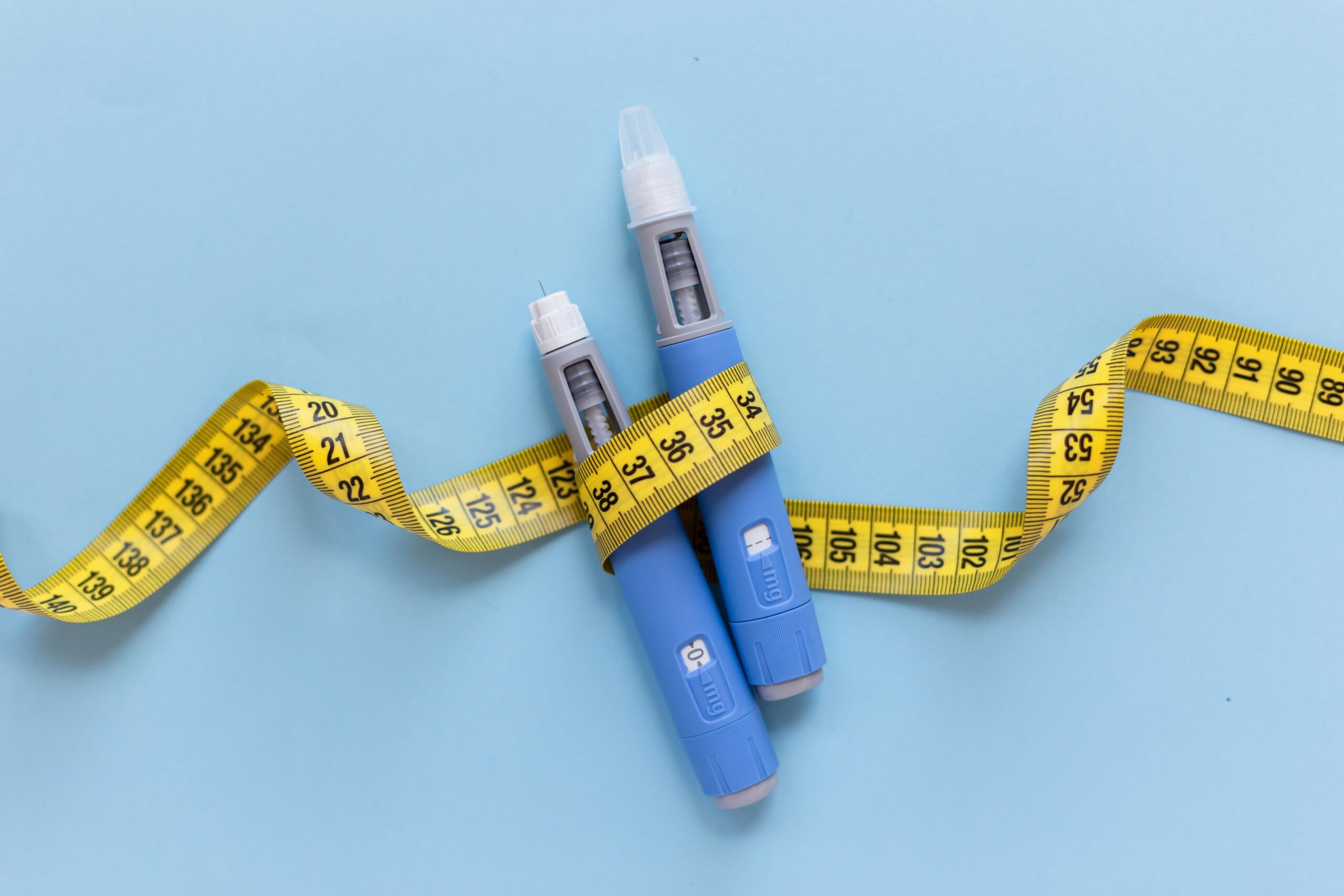
The so-called “slimming pens”, medications from the GLP-1 (glucagon-like peptide type 1) class, have been gaining prominence as an alternative in the treatment of overweight and obesity. These substances act directly on the regulation of appetite and glucose, promoting greater satiety and contributing to the reduction of food intake.
Despite its popularity, it is important to demystify the idea of a quick or “miracle” solution. When used without adequate guidance, these medications can bring more risks than benefits.
In this content, sports and clinical nutritionist Nathalia Schnaak and endocrinologist Priscilla Martins explain how the use of “pens” can be safely included in a sustainable weight loss strategy
Who are “slimming pens” recommended for?
The prescription of GLP-1-based medications must be made by a doctor and consider a complete analysis of the patient, including clinical history, previous weight loss attempts, dietary patterns and lifestyle.
In general, these medications are indicated when other approaches have not been sufficient or when there are associated risk factors. According to Nathalia Schnaak, “from a nutritional and clinical point of view, these medications are usually indicated for people with obesity (BMI ≥ 30) or overweight (BMI ≥ 27) associated with comorbidities, such as type 2 diabetes, hypertension or insulin resistance”.
Because they act directly on the hormonal system, GLP-1 analogues must be used with caution. Endocrinologist Priscilla Martins highlights: “these medications are excellent tools for those who are overweight and need to improve their metabolic health, but they should always be used under medical advice and guidance, with specific guidelines. Despite being safe medications, they can cause gastrointestinal side effects such as nausea, vomiting, constipation or diarrhea and, therefore, need to be evaluated individually.”
In addition to gastrointestinal discomfort, in rarer cases, complications such as pancreatitis, changes in the gallbladder and episodes of hypoglycemia may also occur.
What should the food be like during use?
As these medications reduce appetite, it is natural for the volume of food intake to decrease. Therefore, the quality of the diet becomes even more important.
During use, it is essential to prioritize:
- adequate protein intake to preserve muscle mass
- consumption of vegetables, fruits and fiber
- inclusion of good fats
- constant hydration
Even though you eat less, it is essential to maintain balanced meals. “Avoiding very restrictive diets and organizing the portioning of meals well helps reduce gastrointestinal discomfort and prevents nutritional deficiencies”, advises Nathalia.
Main points of attention:
- Use the medication as an isolated solution;
- Do not adjust your diet and lifestyle;
- Eat little protein;
- Skipping meals frequently;
- Neglecting physical activity.
Another critical point is use without medical or nutritional guidance, which increases the risk of side effects, loss of muscle mass and weight regain after stopping treatment.
Without a consistent maintenance strategy, the so-called “rebound effect” can occur, with a rapid return of lost weight.
The role of professional support
Because they directly impact the hormonal system and eating behavior, GLP-1-based medications must be included in a complete approach.
Nutritional monitoring is essential to ensure that weight loss occurs in a balanced way, with health preservation and a greater chance of maintaining results in the long term.
Therefore, treatment is not an isolated solution. The use of “pens” should be part of an integrated strategy, which includes adequate nutrition, regular exercise and sustainable lifestyle changes.