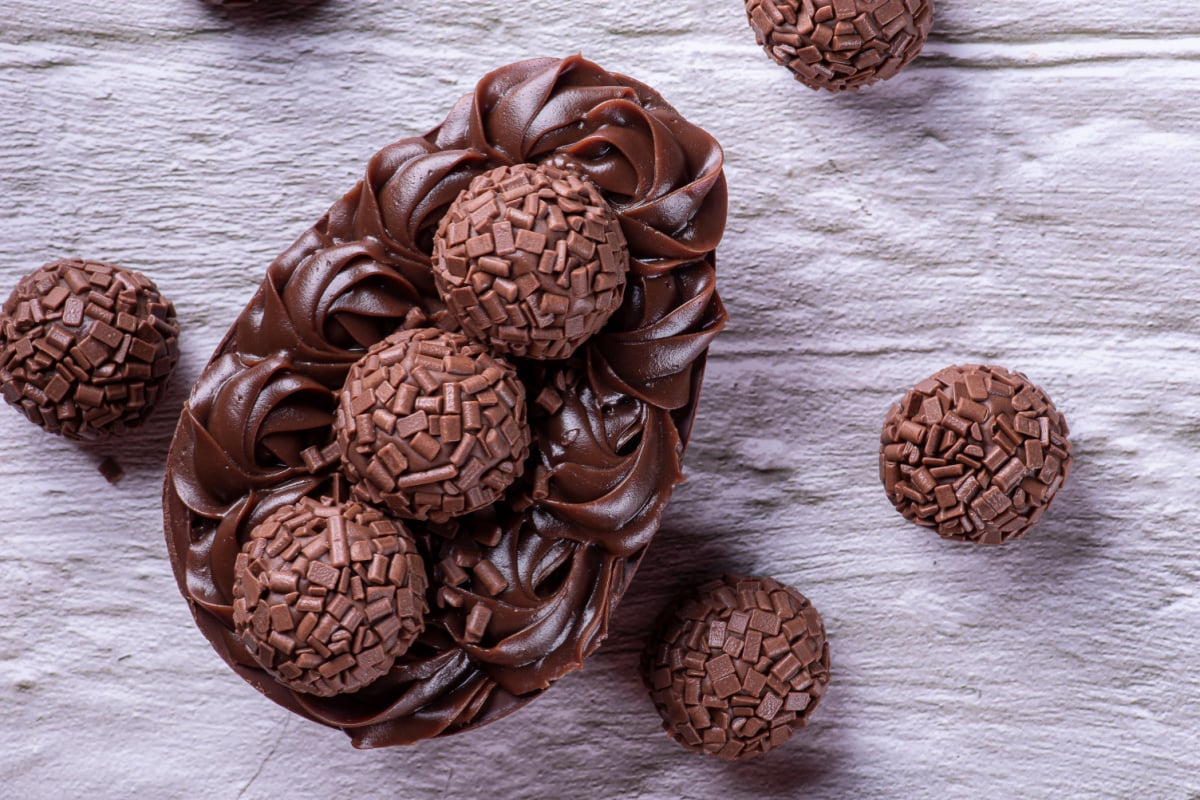
With the arrival of Easter, it is common to seek gifts that can surprise and please friends and family. In this context, one of the most traditional items of this time is the chocolate egg. Therefore, it may be interesting to learn to make them at home.
In addition to being a fun and creative activity, preparing Easter egg allows you to customize the gift according to the preferences of those who will receive it. Moreover, it can be an opportunity to gather the family around a delicious task.
Next, with the help of Elaine Pigini, chef and gastronomy teacher, we listed some tips on how to prepare Easter eggs at home easily and practically!
1. Use the proper chocolate
For each recipe, there is an ideal type of chocolate, so be very careful when choosing. The chocolate gourmetfor example, it is ideal for making bars, easter eggs and even creamy fillings. Fractional, in turn, is suitable for roofs, chocolate baths, candy and truffles.
2. Choose the melting technique
The correct melting and temperament (thermal shock) is responsible for the outcome of the product, highlighting the brightness and resistance of the chocolate. Therefore, properly follow the chosen process and respect the temperature.
a) Water bath
Cut the chocolate into small pieces, place it in a clean, dry, smelling container and set aside. Apart, bring a pan of water to the fire, let it warm until it bubbles in the bottom of the pan and reaches 50 ° C. Turn off the heat and place the container with the chocolate on the top (container larger than the pan, so that the chocolate has no contact with the water vapor). Stir with a spatula, until the chocolate is melted, and use a thermometer to ensure the temperature, thus avoiding damage to the chocolate.
b) Microwave
Cut the chocolate in pieces Like, put in a dry and smelling refractory container and microwave for 1 minute in medium power. Remove then mix the chocolate and microwave for another 30 seconds at the average power. Repeat the process until the chocolate melts completely. If it is melting less than 300 g, start the process with 30 seconds in medium power.
c) Melt
Follow the instruction manual, respecting the temperature of 50 ° C.
3.
a) Water bath
Put the container with the chocolate Melted to cool over a jar of cold water (no ice stones). Stir constantly until full cooling of chocolate and reaches the desired temperature. Use thermometer to ensure this.
b) Marble
Pour the melted chocolate into a dry and smelling dry marble stone. Make movements with the aid of a spatula to cool off. Use the thermometer to ensure the temperature. Then return the chocolate to the refractory and use normally.
There is no specific validity for each product, as it all depends on the manipulation, the hygiene of the place and what is used in revenues. When the context is homemadewe need to be especially aware of all this. Choose to sell the product always fresh, which will surely please your customers, bring you compliments and do not endanger anyone’s health.
5. Beware when using alcoholic beverages
Alcoholic beverages should be employed in revenues only for taste, never for validity. Some people believe the drink increases the validity of preparations, which is a myth.
Therefore, if you want to employ alcoholic ingredient in the recipe, specify in the packaging that your product contains alcohol, thus avoiding greater problems with children, people who take controlled medicines, among others.
6.
The chocolate It should always be kept in a cool, airy place and in refrigerator just when making it. Never store bars or products ready in the refrigerator, avoiding excess moisture and, consequently, the loss of shine. Do not store chocolate in a damp place, which contains smell or next to cleaning material.
7. Use creativity
Working with chocolate is always very pleasurable and allows us to create, diversify and innovate. The market is lacking in news, so invest in the development of different products. Capriche in packaging, show affection for what it does, innovate, create and diversify.
8. Attention to the filling of the forms
Filling Easter egg forms should be done carefully and carefully to avoid air bubbles. An effective technique is to pour out the molten chocolate In the form, rotate it so that the chocolate spreads evenly and then turns the shape to remove the excess. This process ensures a more uniform bark and prevents the waste of material. Also, let it cool and harden completely before trying to unmold, thus ensuring a smooth and shiny surface.
Personalization of Easter eggs is a differential that can further achieve your gifts. Try varied fillings such as ganaches, dried fruits, jams or hazelnut cream.
10. Experience painting and texturing techniques
Before adding chocolate to shapes, consider using brushes or sponges to apply layers of colorful or shiny chocolate. This technique allows you to create Easter eggs with surprising visual effects, such as marbled, with edible glitter or even specific designs.
Texturing can also be done by the method of addition of Elements to Chocolate Still liquid, such as white or black chocolate shavings to create interesting contrasts. This visual personalization not only makes eggs more attractive, but also adds a layer of exclusivity and art to its creation.
Packing the Easter egg with affection makes all the difference when it comes to giving. In addition to protecting chocolate, a beautiful packaging values the gift and shows care with who will receive it. It is possible to use colored papers, transparent cellophane, lead paper or even custom boxes. Finish with tapes, bows and labels with affectionate messages make the egg even more special and with a unique touch.