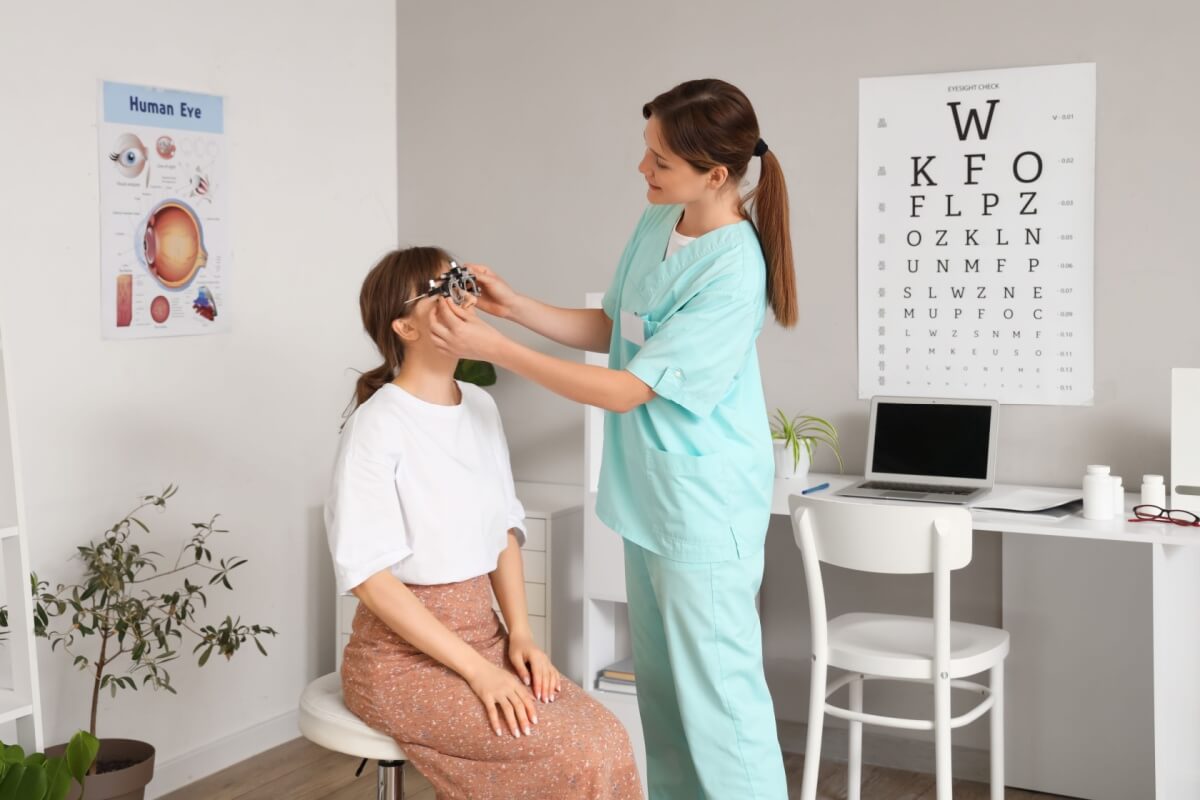
Vision is directly linked to everyday activities such as reading, driving, studying and working, and any change can compromise these functions. Regular ophthalmologist consultations, a nutrient -rich balanced diet, the use of appropriate glasses when necessary, and the protection against excessive sunlight are important measures to preserve eye health.
However, a survey by Datafolha points out that 24% of Brazilians do not visit the ophthalmologist regularly. About 33% only seek the expert once a year, when they feel some discomfort in the vision.
According to ophthalmologist Dra. Ana Cláudia Alves Pereira, professor of medicine at Uniderp, some ophthalmological diseases can be silently installed. Therefore, the first symptoms arise only when the picture is more advanced, making treatment difficult.
“Burning in the eyes, redness and stains may indicate that something is affecting the Eye health. But there are signs not so evident that they are determining, as in the case of high eye pressure that occurs most often in a quiet and asymptomatic way, causing the loss of vision fibers and the visual field, leading to glaucoma if not treated, ”warns the doctor.
Next, Dr. Ana Cláudia Alves Pereira lists 3 warning signs for vision problems. Check it out!
1. Spots on the field of vision
Sporadically, it is normal to appear spots or flashes of light in the vision. However, if it occurs frequently, it is indicative to conduct a clinical investigation. An expert should also be consulted if flashes occur with eye or head movement.
2. Blurred or blurred
Feeling that a dark curtain It is in front of you, preventing a clear image of the objects in your visual field. Therefore, consult an ophthalmologist by identifying this symptom.
3. Sudden pain in the eyes
Pain, redness and tearing are evidence of inflammation or dry eye, but may also indicate glaucoma. Therefore, it is recommended to consult an ophthalmologist.
When to visit the ophthalmologist
To avoid complications and a late diagnosis, the advisable is to consult a ophthalmologist Once a year. However, for those who already perform treatments, especially in cases of progressive diseases, the correct thing is to go to consultations in shorter periods, recommends Dr. Ana Cláudia Alves Pereira.
By CAMILA SOUZA CREPALDI