Despite being consumed for generations, many people are still unaware of its culinary potential and nutritional properties.
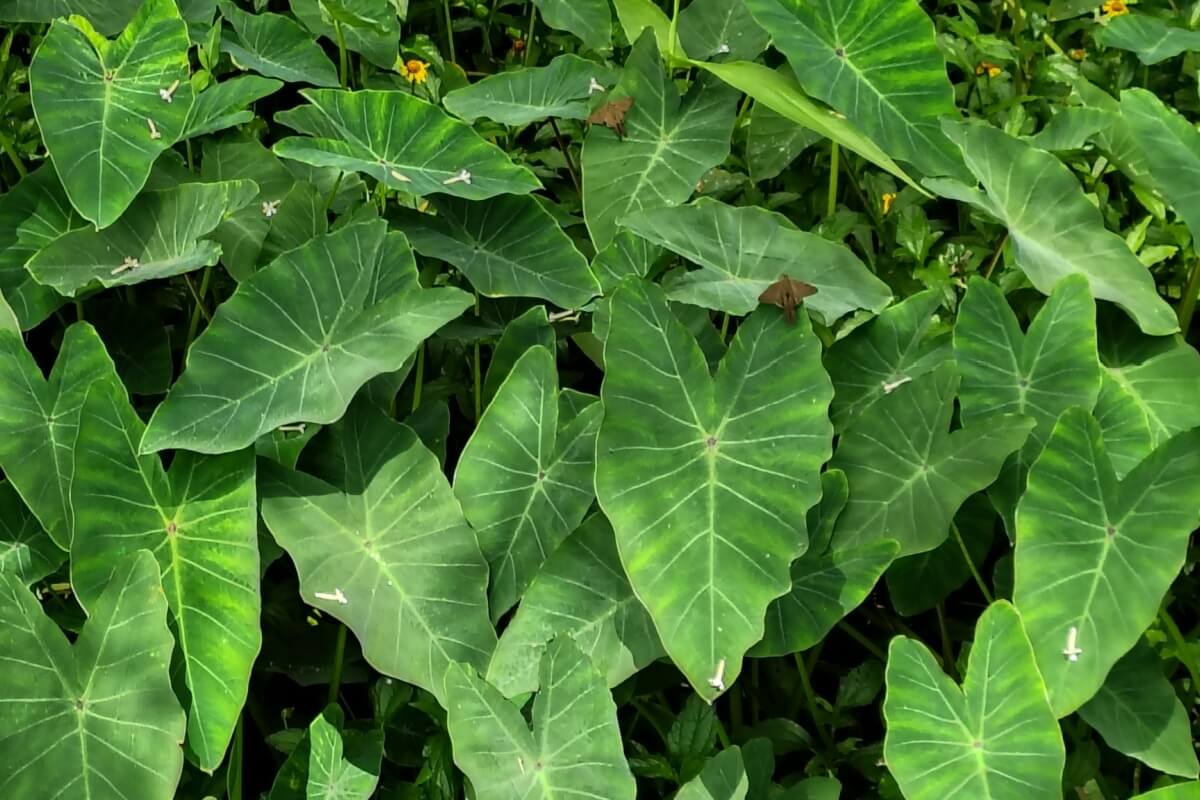
The taioba (Xanthosoma sagittifolium Schott) is a Non-Conventional Food Plant (PANC) originating from Central America and widely cultivated in Brazil. PANCs are edible species that are not part of the population’s usual menu, but have high nutritional value and grow spontaneously or are cultivated in different regions of the country.
Taioba, specifically, has broad green leaves, belongs to the family Araceae and adapts easily to tropical and subtropical climates. Despite being consumed for generations, it is rich in compounds essential to the body. The leaf can be prepared in different ways: braised, cooked, in pies or as a filling for dumplings.
Check out the main reasons to include this versatile plant in your daily menu!
1. Helps protect vision and strengthen immunity
Taioba stands out as a significant source of vitamin A, offering 496 mcg per 100 g, according to the Brazilian Food Composition Table (TBCA), from the University of São Paulo in partnership with the Food Research Center. This nutrient plays a fundamental role in eye healthhelping to prevent problems such as night blindness and macular degeneration. Furthermore, it acts directly to strengthen the immune system, making the body more resistant to infections.
2. Helps strengthen bones and teeth
With 110 mg of calcium per 100 g, according to data from TBCA, taioba surprises those who imagine that only dairy products provide this mineral. This is a significant amount for a green leaf. THE calcium present in the plant helps in the formation and maintenance of bone structure, preventing osteoporosis and fractures.
This is important mainly because, according to the Ministry of Health, it is estimated that 50% of women and 20% of men aged 50 or over will suffer from some osteoporotic fracture throughout their lives.
In addition to bone health, this mineral participates in vital functions such as muscle contraction, blood clotting and transmission of nerve impulses.
3. Increases the nutritional value of meals
Brazilian researchers published, in Brazilian Journal of Food Technologya work showing how taioba can function as a source of minerals in food, entitled “Muffins nutritionally enriched with taioba flour (Xanthosoma sagittifolium)“.
They developed a simple methodology: they collected leaves from the plant, cleaned them well, let them dry naturally in the sun for 48 hours and then ground them into powder. This powder, in turn, was mixed in different quantities (10% and 20%) in the dough. muffins homemade.
When they compared the regular dumplings with those containing taioba, they discovered that the enriched version contained much more minerals. The amount of these nutrients increased as more taioba flour was added to the recipe. The study, then, proved that including this plant in daily recipes increases the nutritional value of meals in a practical and accessible way.
4. May help control blood pressure
In the presence of 164 mg of potassium per 100 g, according to information from TBCA, makes taioba an important partner for the cardiovascular system. This mineral works to balance sodium levels in the body, helping to control blood pressure and reducing the risk of hypertension. This is especially important because arterial hypertension, also known as high blood pressure, is a chronic disease that affects 35% of the Brazilian population, according to data from the Ministry of Health.
In addition to the heart, potassium benefits muscle and nerve function, preventing cramps and fatigue. For athletes or those who practice physical activities, vegetables represent a natural source of electrolyte replacement. So, by adding it to your meals, you take care of your cardiovascular health while maintaining energy and energy throughout the day.
5. Improves intestinal transit
Taioba is an important source of fiber. It offers 5.05 g of dietary fiber per 100, according to TBCA, contributing significantly to the proper functioning of the intestine. These fibers increase the volume of feces, facilitate elimination and prevent problems such as constipation and hemorrhoids.
According to data from the World Health Organization (WHO), the recommended daily consumption for adults is at least 25 g of fiber. Those who suffer from intestinal irregularities will find the plant a natural and effective solution.
But the benefits go beyond the intestine. Fiber also promotes prolonged satiety, helping to control body weight and avoid overeating. Furthermore, they help regulate blood glucose levels.
6. Helps prevent anemia
With 1.62 mg of iron per 100 g, as registered in the TBCA, taioba offers valuable help in preventing anemia ironprivacy. Although it is non-heme iron (of plant origin), its absorption increases considerably when consumed with sources of vitamin C, such as lemon, orange or tomato. This strategic combination enhances nutritional benefits.
Iron actively participates in the production of hemoglobin, a protein responsible for transporting oxygen in the blood. Adequate levels of this mineral guarantee energy, disposition and prevent excessive tiredness. Iron deficiency — better known, in its advanced form, as iron deficiency anemia — is a condition that affects around 30% of Brazilian women, according to the 2022 National Demographic and Health Survey.
How to consume taioba
Taioba should never be consumed raw. Its leaves naturally contain calcium oxalate crystals, a substance that causes intense irritation in the mouth, throat and digestive system when ingested without adequate heat treatment. This compound can also impair the absorption of important minerals by the body.
The correct process consists of washing the leaves well, removing the thickest stems and cooking them in boiling water for at least 10 minutes. Many people prefer to change the water during cooking, discarding the first boil and continuing with clean water. Once cooked, taioba can be braised, added to pies, soups or other preparations. Never use yellowed, stained or withered leaves, as they may be deteriorated.
Important precautions
Despite the various benefits that taioba offers to health, it is important to highlight that its consumption does not replace medical treatments or professional support. It can be an ally, but it should not be seen as a unique solution to health problems.
People with a history of kidney stones should consult a doctor or nutritionist before including planta regularly on the menu, as oxalates, even after cooking, can influence this condition. Pregnant women, nursing mothers and young children should also seek specialized guidance before introducing this food into their eating routine.