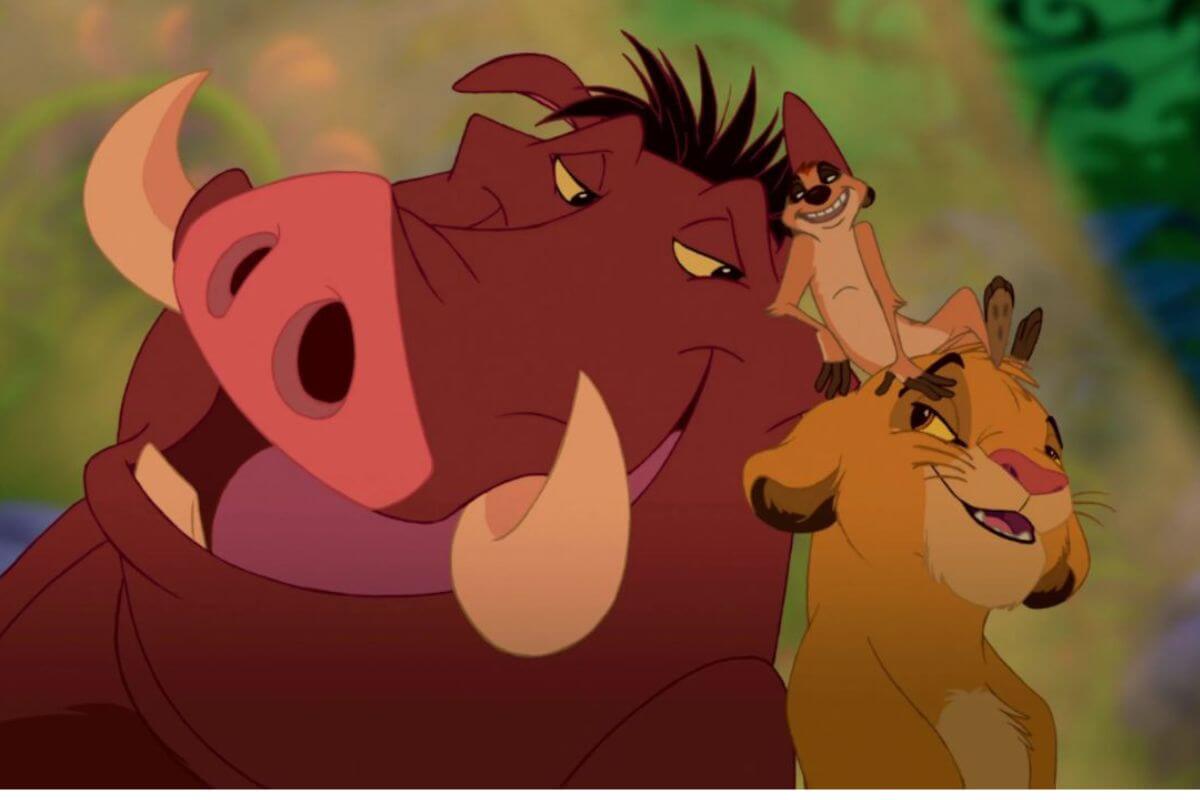
The expression is presented in the film as a way of living without major worries
If you grew up in the 1990s, or are simply passionate about Disney films, you have probably heard the famous song “Hakuna Matata”, part of the soundtrack for the film “The Lion King”, released in 1994. The song marked generations, conquered the world and even became a philosophy of life for some people. With a happy melody and a light message, it helped immortalize beloved characters like Timon and Pumbaa, responsible for introducing the expression to young Simba in the feature film.
What does Hakuna Matata mean?
Sung by the characters Timon and Pumbaa, “Hakuna Matata” is presented in the film as a form of live without major worries. This is a real expression in the Swahili language, spoken in several countries in East Africa, which means “no problem” or “no worries”.
While Hakuna indicates non-existence, Matata refers to problems, complications or difficulties. In literal translation, it means: “there are no problems” or “there is nothing to worry about”. In fact, the expression is used in Kenya and Tanzania to convey tranquility.
Cultural philosophy of expression
In African communities, the expression is commonly used to convey peace, tranquility and hospitality, reflecting the cultural wisdom of the region, which values resilience and the ability to remain calm in the face of difficulties.
The African song “Jambo Bwana”, released in 1982 by the Kenyan band Them Mushrooms, exemplifies this meaning of “without worries”. THE song lyrics says: “Visitors welcome, our Kenya is Hakuna Matata / Wageni, Wakaribishwa, Kenya yetu Hakuna Matata // Kenya, beautiful country, Hakuna Matata / Kenya nchi nzuri, Hakuna Matata”.
Worldwide impact of the film
After the phrase became popular in cinemas, Hakuna Matata became associated, in different parts of the world, with a lighter way of seeing life. And this is precisely one of the central points of the film, with growth and discovery, responsibility, emotional support and friendship.
This combination means that the message does not convey toxic positivity, showing that Hakuna Matata can also represent the idea that it is not always necessary to carry all the worries alone, making the challenges lighter and less difficult to face.
On the other hand, the success also raised debates about the cultural appropriation of original African expressions, including the names of the characters Simba, Rafiki and Pumbaa. Still, the animation visibility It helped popularize the Swahili language and other African cultural references, such as clothing, colors, music and artistic elements, to different parts of the world, keeping the film popular to this day.