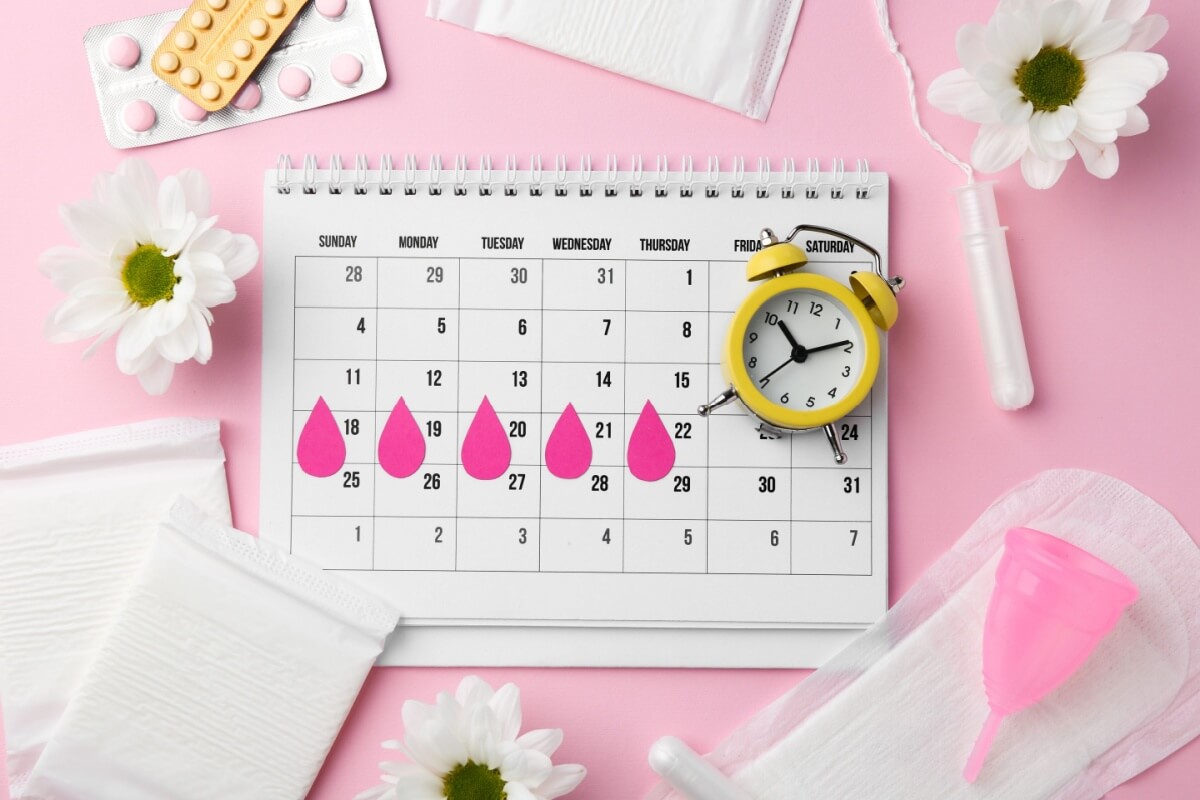
When the body goes through prolonged periods of emotional or physical tension, the functioning of menstruation can be dysregulated.
Fast-paced routine, mental overload, excess responsibilities, sleepless nights and constant pressure. For many women, stress has become part of everyday life, and the body often gives clear signs that it is being affected. Among them, changes in the menstrual cycle have attracted attention in gynecological offices.
Delays in menstruation, bleeding outside of periods, increase in cramps and even menstrual absence may be related to emotional imbalance and excess stress. According to gynecologist Dr. Ana Paula Fonseca, the female body is extremely sensitive to emotional and hormonal changes.
“The body understands stress as a state of alert. When this happens continuously, there is a greater production of cortisol, known as the stress hormone, which can directly interfere with the hormonal regulation responsible for the menstrual cycle”, he explains.
Impacts of stress on menstruation
The menstrual cycle depends on a delicate balance between different hormones produced by the brain and ovaries. When the body goes through prolonged periods of emotional or physical tension, this functioning can be dysregulated. “In situations of intense stress, the brain prioritizes functions considered essential for survival and can reduce hormonal stimuli linked to ovulation and menstruation”, says Dr. Ana Paula Fonseca.
With this, the woman can realize:
- Menstrual delay;
- Irregular menstruation;
- More intense or weaker flow;
- Worsening premenstrual tension (PMS);
- Increased colic;
- Absence of menstruation for a few months.
Anxiety, poor sleep and overload also influence
In addition to emotional stress, common habits of modern life can also impact hormonal functioning. Sleeping little, working excessively, living in a constant state of worry and not having moments of rest contribute to the body’s imbalance.
“Sleep deprivation and anxiety alter important hormonal mechanisms. Many women arrive at the office without imagining that their own lifestyle could be behind menstrual irregularities”, comments the gynecologist.
The doctor also highlights that sudden changes in diet, excessive physical exercise or rapid weight loss can also directly influence the menstrual cycle.
When is it necessary to investigate?
Although stress is a common cause of menstrual changes, not every irregularity should be considered normal. Some changes may indicate hormonal problems or gynecological diseases. “If cycles become very unregulated, if there is prolonged menstrual absence or excessive bleeding, it is essential to seek medical evaluation to rule out conditions such as polycystic ovary syndrome, thyroid changes, endometriosis and even hormonal insufficiency”, warns Dr. Ana Paula Fonseca.
Taking care of your emotional health also means taking care of your gynecological health.
The gynecologist reinforces that mental health and hormonal health go hand in hand. Therefore, strategies to reduce stress can bring important benefits to balancing the menstrual cycle. “Having moments of pause, improving the quality of sleep, practicing physical activity and seeking psychological support when necessary are attitudes that make a difference not only to the emotional aspect, but also to the woman’s gynecological health”, he concludes.
By Daiane Bombarda