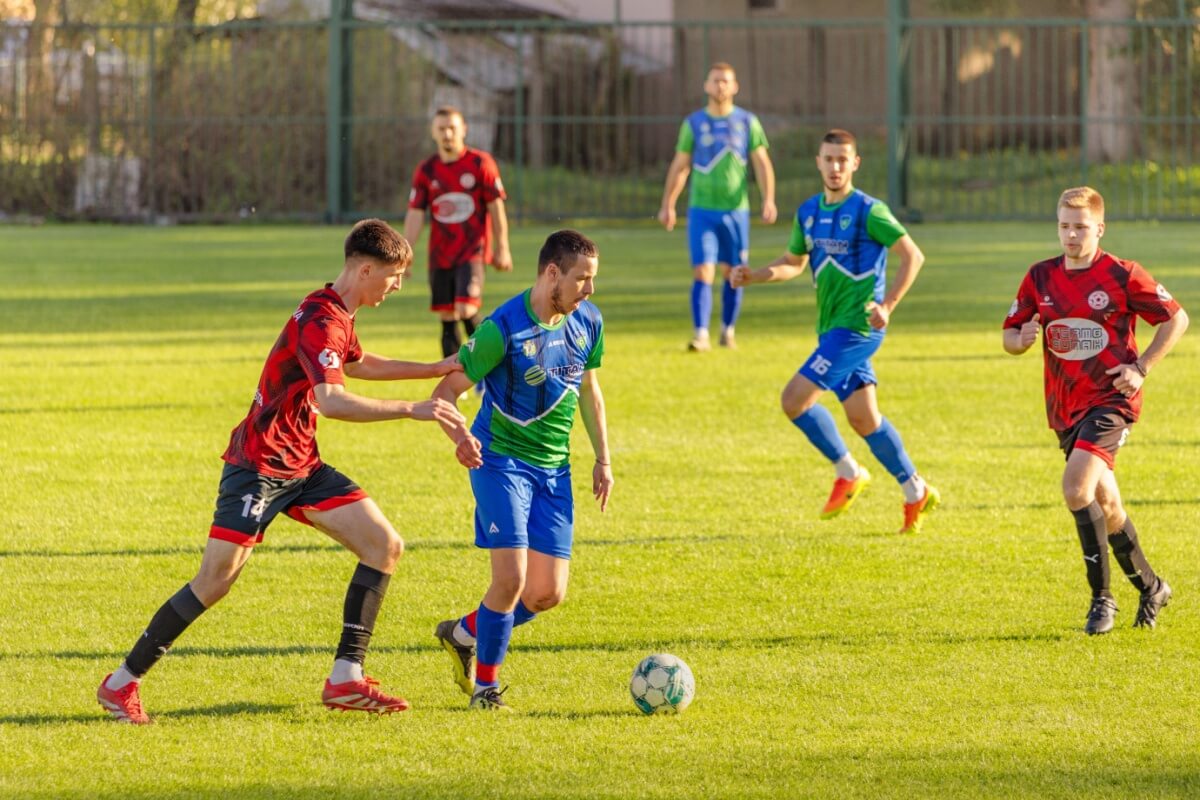
Football is an excellent physical activity, but some care must be taken to reduce the risk of accidents
EdiCase Editorial
With the arrival of the World Cup, the competitive atmosphere takes over conversations, social networks and even courts and fields across the country, where many people put on their football boots again after a long period of absence. This movement, although exciting, raises a warning: the sudden resumption of football, without adequate physical preparation, can significantly increase the risk of injuries, which can compromise health and keep people away from the sport for weeks or even months.
“Football is an activity that requires rapid changes of direction, accelerations, decelerations and physical contact. When the player is not adequately conditioned, the risk of injury increases significantly”, explains orthopedist and traumatologist Dr. Luis Marcelo Muller, from Hospital Regina.
Main risk factors for injuries
Among the main risk factors is the profile known as “weekend athlete“, that is, that person who spends a good part of the week sedentary and concentrates intense efforts on a single match. The combination of lack of conditioning, insufficient warm-up, few hours of sleep and, in some cases, alcohol consumption before the activity creates a scenario conducive to muscle and joint injuries.
The choice of equipment also directly influences safety during sports. Inadequate cleats and pitches in poor condition increase the risk of falls, sprains and ligament injuries. The warning also applies to synthetic lawns, which require specific maintenance care to offer safe conditions for athletes.
Most common injuries in recreational football
According to Dr. Luis Marcelo Muller, the most frequent injuries in recreational football mainly affect the lower limbs. Among the most common problems observed in care are:
- Ankle sprain: generally occurs after sudden changes in direction or inappropriate footfall;
- Muscle injuries on the back of the thigh: mainly related to sprints, sprints and lack of physical conditioning;
- Bruises: caused by collisions between players or falls during the match;
- Knee injuries: they include everything from sprains to ligament ruptures, such as that of the anterior cruciate ligament (ACL);
- Fractures: less frequent, but potentially serious, especially in situations of impact straight or intense twists.
When it’s time to stop
When an injury occurs during the match, the advice is to immediately stop the game. activity and adopt simple first aid measures. The protocol known as PRICE (protection, rest, ice, compression and elevation of the affected limb) helps control pain and swelling in the first hours after the trauma. However, situations involving inability to walk, deformities, joint instability or severe pain require immediate medical evaluation.
Another important point is to avoid neglecting seemingly mild symptoms. Severe ankle sprains, ligament ruptures, undiagnosed fractures and even major muscle injuries can leave permanent sequelae when not adequately treated. “Many people believe that the pain will disappear on its own and continue playing. This behavior can turn a simple injury into a chronic problem and make it difficult to return to sport”, warns the specialist at Regina Hospital.
How to avoid football injuries
Most injuries can be avoided with relatively simple measures: warming up in the 15 minutes before the activity, regular practice of physical exercisesmuscle strengthening, adequate hydration and sufficient rest periods are some of the most effective strategies to reduce risks.
Resuming contact with the ball little by little is another valid recommendation. “Start with ball control, dribbling and shooting on goal. Then, start games of short duration and, thus, progress progressively. To avoid injuries, it is essential to adapt intensity and regularity at the beginning”, highlights orthopedist Emerson Garms, from Hospital Santa Catarina – Paulista.
By Nadja Cortes