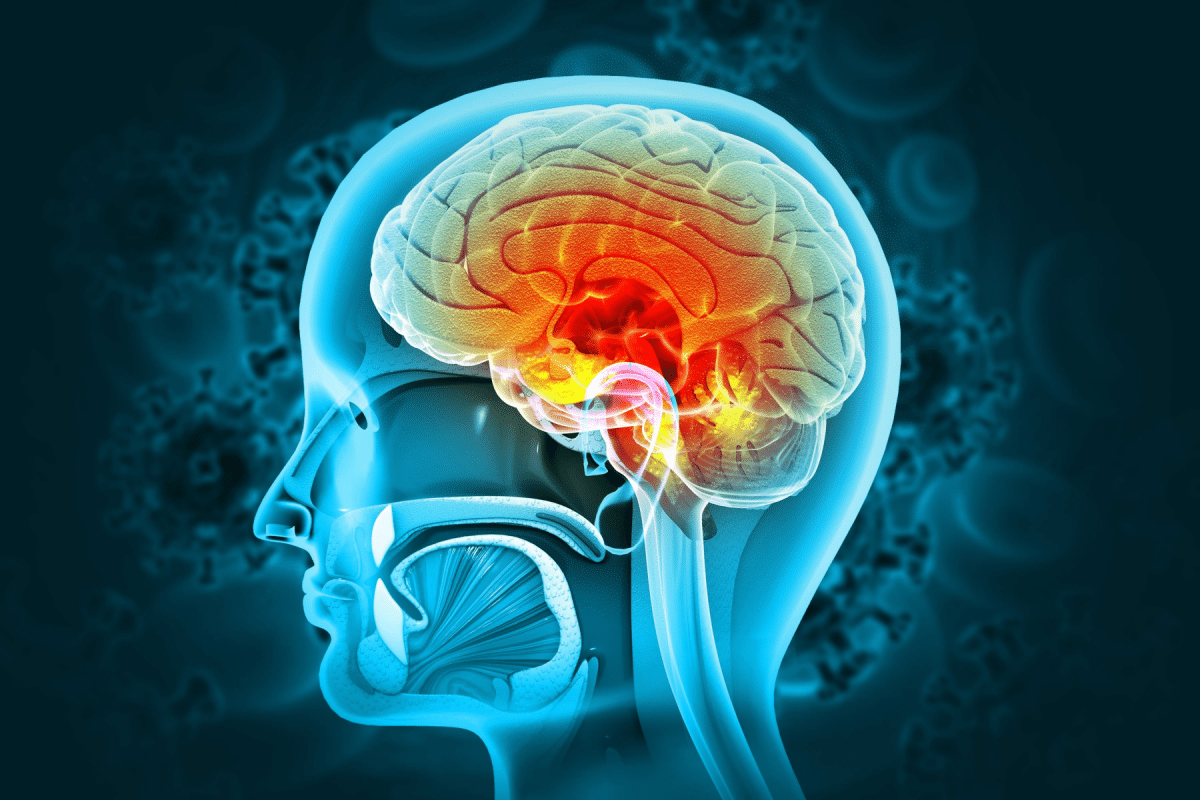
Expert highlights the importance of preventive measures and advises which care is essential to avoid complications
EdiCase Editorial
Worldwide, more than 5 million people are affected by meningitis annually. For every ten patients, one dies as a result of the disease and two others are left with sequelae. Meningitis is the serious inflammation of the meninges, which are the membranes that cover the brain and the entire spinal cord and which can be caused by viruses, bacteria, parasites or fungi.
In general, bacterial meningitis is the most serious and can progress quickly, requiring treatment immediate. Viral meningitis tends to be milder, with spontaneous recovery in most cases, but still requires medical evaluation.
Main symptoms of meningitis
According to the coordinator of the Nursing course at Unopar, professor Cristiane Aparecida Costa, among the most common symptoms are stiff neck, which makes it difficult to place the chin on the chest, as well as fever, nausea and intense headache.
“It is important that meningitis is identified as soon as the first symptoms appear, as this means that treatment can be started quickly to prevent the development of injuries that could result in permanent sequelae or death”, warns the specialist.
Ways of prevention
To reduce the risk of contagion, Cristiane Aparecida Costa recommends adopting some precautions in everyday life. See what they are:
- Avoid places with crowds of people;
- Leave environments ventilated and, if possible, sunny, especially classrooms, workplaces and public transport;
- Do not share objects for personal use;
- Reinforce hygiene habits, washing your hands frequently, especially before meals;
- Maintain the vaccination in day.
Types of meningitis and vaccination
Vaccination is one of the main ways to prevent meningitis. Check which vaccines available on the public network help protect against different types of the disease:
Type C meningitis (protection is contained in the Meningo C vaccine)
- For children: 1st dose at 3 months and 2nd dose at 5 months.
- For teenagers between 12 and 13 years old: 1 dose.
Pneumococcal meningitis (protection is contained in the Pneumo 10 vaccine)
- For children: 1st dose at 2 months and 2nd dose at 4 months.
Haemophilus influenzae meningitis (protection is contained in the Pentavalent vaccine)
- For children: 1st dose at 2 months; 2nd dose at 4 months; and 3rd dose at 6 months.
Tuberculous meningitis (BCG vaccine protects against tuberculous meningitis)
- For children, at birth.
Meningitis requires quick and specific care throughout the entire treatment. Check out the main guidelines from the coordinator of the Unopar Nursing course, Cristiane Aparecida, in case of suspicion of the disease!
1. Seek immediate medical attention
In case of suspicion — such as high fever, severe headache, neck stiffness, vomiting, confusion, excessive drowsiness or spots on the skin that do not disappear when pressed — seek emergency care immediately. Bacterial meningitis is a medical emergency and requires rapid diagnosis and treatment.
2. Don’t postpone essential diagnostic tests
Diagnosis usually involves clinical examination, lumbar puncture (to analyze cerebrospinal fluid), blood cultures and imaging tests when indicated. These tests are essential to identify the cause and guide appropriate treatment.
3. Start appropriate treatment depending on the cause
- Bacterial meningitis: treatment with intravenous antibiotics and, sometimes, corticosteroids, as per medical advice;
- Meningitis viral: supportive care and, in specific cases, use of antivirals (such as in cases of herpes).
- Fungal meningitis: specific antifungals.
4. Isolation when necessary
Some forms of bacterial meningitis (e.g. meningococcal) require contact and droplet precautions during the contagious period, up to 24 hours after starting antibiotics. Follow the health team’s guidance on isolation.
5. Chemoprophylaxis and vaccination of contacts when indicated
For specific types, such as meningococcal meningitis, chemoprophylaxis (use of preventive antibiotics) may be indicated for people who have had close contact with the patient. Vaccination is also a preventive measure essential. Vaccines against Haemophilus influenzae type b (Hib), pneumococcus and meningococcus are recommended according to the vaccination schedule.
6. Symptom management and general support
Adequate hydration, fever and pain control, as well as rest are important measures during treatment. Monitoring of neurological signs and ICU support may also be necessary.
7. Monitoring for complications and sequelae
Meningitis can cause complications (seizures, cerebral edema, hearing loss and neurological deficits). Monitor and refer for rehabilitation (speech therapy, physiotherapy, occupational therapy, neurological monitoring) when there are sequelae.
8. Prevention with hygiene and risk reduction measures
Hand hygiene, avoid sharing personal objects (such as cups, cutlery and toothbrushes) in cases of outbreaks and adopt prevention measures in risk environments, such as daycare centers and schools. It is also important to cover coughs and sneezes and maintain adequate ventilation indoors.
9. Complete the full treatment
Follow the course of antibiotics and other medications until the end, even if symptoms improve, to avoid recurrence or resistance. Attend return appointments and perform control exams as directed.
10. Information and support for families
Explain to illnessprognosis, warning signs and home care; offer emotional support and guidance on rehabilitation if there are sequelae. Notify health authorities when required (some meningitis is notifiable).
By Deiwerson Damasceno