Architecture and strategic design help increase the profitability and perceived value of properties
EdiCase Editorial
With the growth of seasonal rental platforms and changes in consumer behavior, owners have been looking for alternatives to make their properties more attractive and competitive. More than location, aspects such as comfort, functionality and user experience started to directly influence the rental value and occupancy rate.
In this scenario, architecture plays a fundamental role. Small adaptations can transform the perception of the property, increase its profitability and attract guests looking for more complete experiences. Look!
1. Bet on integrated environments
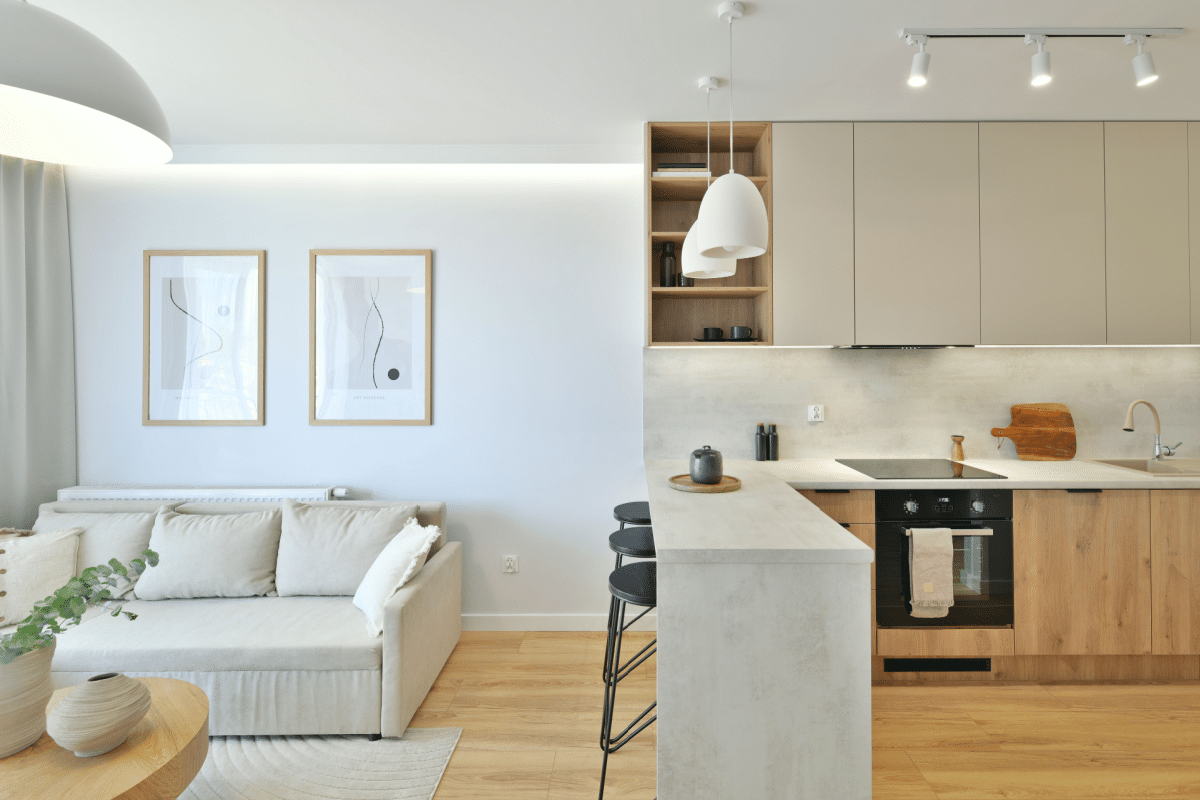
The integration between living room, kitchen and social areas continues to be among the most valued features on the market real estate. Connected environments expand the feeling of space, encourage coexistence and make the property more versatile for different user profiles.
According to Leandro Moraes, architect and founding partner of Casa Lemham, well-planned spaces are capable of significantly elevating the experience of those who use the property. “Today, people are not just looking for a place to stay. They are looking for environments that provide comfort, practicality and connection with their lifestyle”, he states.
2. Invest in joinery and smart solutions
Custom cabinets, multifunctional furniture and well-distributed storage spaces help to optimize the available area and increase the functionality of the environments. In compact properties, these solutions can represent an important differentiator, especially for guests who stay for longer periods.
3. Create spaces for remote work
With the consolidation of home officethe demand for properties that offer suitable areas for study and work has grown. A functional bench, adequate lighting and good ergonomics can increase interest from renters and travelers.
According to Hamanda Siqueira, architect and founding partner of Casa Lemham, adapting spaces to new ways of living and to work has become one of the main challenges of contemporary architecture. “Today, a property needs to follow different routines. Creating flexible and functional environments is a way of adding value and meeting users’ expectations”, he highlights.
4. Prioritize comfort and lighting
Lighting directly influences the perception of environments. The entry of natural light, combined with different artificial lighting scenarios, creates more welcoming and sophisticated spaces. Furthermore, thermal comfort, cross ventilation and acoustic solutions contribute to more positive evaluations and longer user retention.
“True luxury lies in the details and the feeling of well-being provided by the spaces. A project designed to welcome tends to generate greater perceived value over time”, highlights Leandro Moraes.
5. Enhance external areas
Balconies, gardens and areas gourmet are among the most desired spaces by guests and residents. Even small spaces can be transformed into places of coexistence and relaxation through landscaping and the appropriate choice of furniture. This connection with nature has become especially relevant at a time when people are looking for balance and quality of life at home.
Architecture as an investment
More than an aesthetic issue, architecture has established itself as a strategic tool for real estate appreciation. Properties capable of offering differentiated experiences, functionality and identity tend to stand out in a market that is increasingly competitive. For architects, valuing a property means creating spaces that reflect stories, promote well-being and accompany the transformations in the contemporary way of living.
Leandro Moraes highlights that the appreciation of a property is directly linked to the experience it provides. “Properties that can combine functionality, comfort and identity tend to stand out more in the market and present better occupancy and profitability results”, he states.
Every detail influences the way the property is experienced. “We believe that architecture goes beyond form. It is capable of creating connections, awakening emotions and transforming the experience of living. It is these attributes that make a property truly valuable”, concludes Hamanda Siqueira.
By Maria Clara Ruza