Psychology explains how beliefs help deal with anxiety and feelings of lack of control during sports competitions
EdiCase Editorial
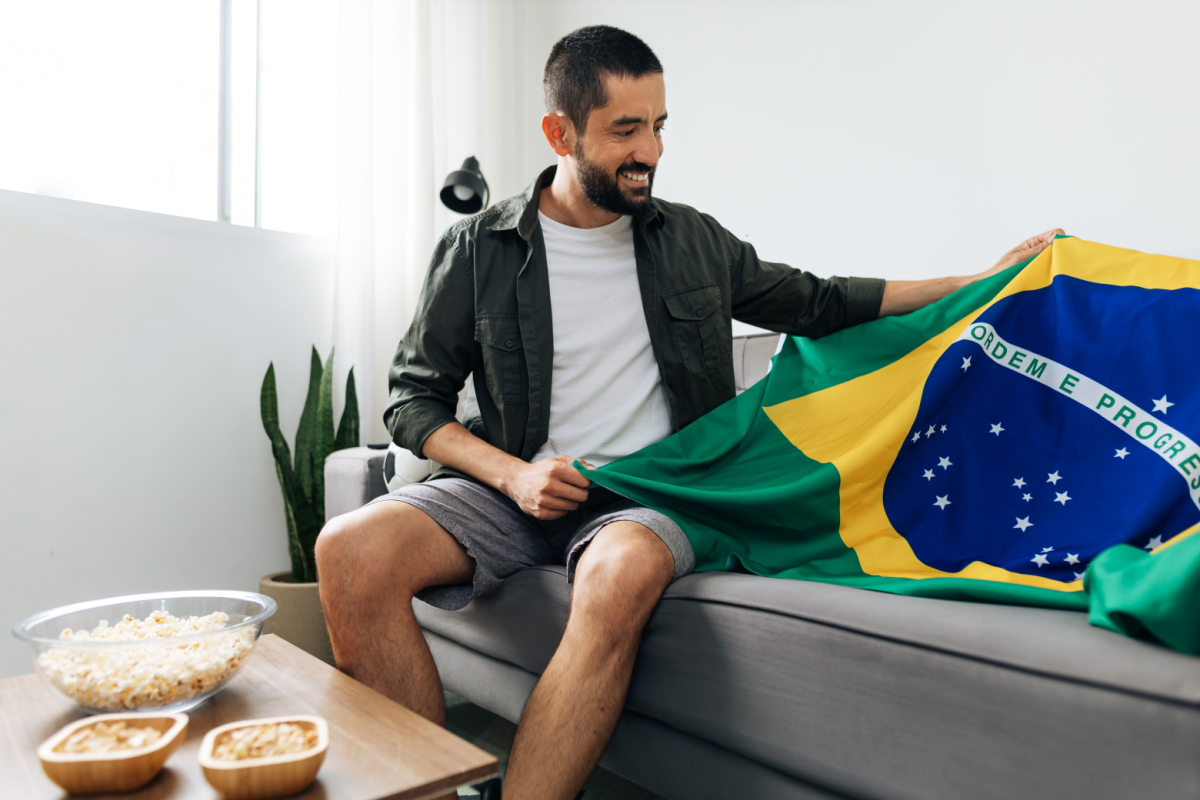
Wearing the same shirt in all decisive games, always sitting in the same place in the room, avoiding changing channels during the match or even repeating the menu that was “lucky” in previous victories. During periods of major sporting competitions, such as the World Cup, many fans resort to rituals and superstitions in an attempt to influence, even symbolically, the result on the field.
Although many of these practices are seen in a good-humored way, psychology explains that they are directly related to emotional mechanisms that help people deal with the anxiety, expectations and unpredictability of sporting events.
According to the psychologist and coordinator of the Psychology course at Faculdade Anhanguera, Marco Aurélio Fernandes, football awakens intense feelings of belonging, identity and emotional involvement. “When following a decisive match, fans invest emotional energy in something over which they have no real control. It is precisely in this scenario that rituals arise”, he states.
According to him, superstition works as a psychological strategy to reduce the feeling of impotence in the face of an uncertain situation. “Even though we know rationally that a shirt or a specific place on the sofa does not interfere with the players’ performance, the brain finds comfort in repeating these behaviors”, he explains.
The human need to find patterns
Marco Aurélio highlights that the phenomenon does not only occur in sport. People often create rituals before job interviews, tests, presentations or any situation considered important and potentially stressful.
From a scientific point of view, there is an explanation for the popularity of superstitions. The human brain is programmed to identify patterns and establish cause and effect relationships. “Our brain has difficulty accepting chance. Therefore, we often create connections between facts that have no causal relationship. This brings a feeling of predictability and security”, says the psychologist.
When the ritual becomes a family tradition
Another interesting aspect is that many superstitions go beyond the individual sphere and become family traditions. There are families who watch the games always gathered in the same place, they reproduce special recipes or follow small customs passed down between generations.
The psychologist explains that, in these cases, rituals take on an even deeper meaning, functioning as elements of affective connection and emotional memory. “More than believing in luck, many people use these behaviors to reinforce family bonds and create shared experiences. The ritual comes to represent belonging and collective identity”, he explains.
Athletes are also superstitious
Superstitions are not restricted to the stands. Several professional athletes report repetitive behaviors before matches, such as entering the field with the same foot, listening to certain music or following specific routines when warming up. “These habits can contribute to increasing confidence and reducing pre-competitive anxiety, as long as they do not turn into emotional dependence”, adds Marco Aurélio.
When superstition can become a problem
In most cases, sport-related rituals are harmless and part of the cheering experience. However, it is important to note when these behaviors start to generate suffering. If a person believes that defeat occurred because they failed to follow a certain ritual or develops high levels of anxiety when they are unable to follow a specific routine, there may be signs of an unhealthy relationship with superstition.
“The problem arises when the individual starts to believe that they have direct responsibility for events that are completely beyond their control. In this case, it is important to develop more balanced ways of dealing with anxiety and frustration”, advises the psychologist.
By Camila Souza Crepaldi