It participates in essential processes to keep the circulatory system in balance
EdiCase Editorial
Vitamin K is an essential nutrient that the human body cannot produce in ideal amounts. The nutrient is divided into two series: phytoquinone (K1), present in dark green vegetables, and menaquinone (K2), produced by colon bacteria, but also present in meats and fermented foods.
“Its main function is blood clotting. Its deficiency can lead to dyscrasia, an abnormal condition of blood cells, which results in a high risk of hemorrhages and bleeding”, explains Gisele Cirilo, nutritionist at Casa de Saúde São José.
O nutritious It is one of the most important for cardiovascular health. The vitamin performs important functions for the functioning of the circulatory system through strict control of blood clotting, ensuring that the blood circulates with the appropriate consistency and preventing both excessive bleeding and the dangerous formation of clots.
“Vitamin K also plays a key role in protecting arteries by activating specific proteins that help direct calcium to the bones where it is needed. It also keeps calcium out of blood vessel walls, thus preventing calcification and hardening.” arterial which can overload the heart over time”, adds Dr. Lucas Waldeck, cardiologist at Casa de Saúde São José.
Vitamin K in preventing heart disease
Despite the important function of protecting arteries, the nutrient does not act as a cleaning agent, capable of removing already established fat or atherosclerosis plaques, for example. The role of vitamin K is more related to prevention, with a focus on controlling vascular calcification that occurs when artery walls become rigid due to excessive calcium deposits.
Furthermore, the vitamin helps preserve the flexibility and elasticity of the arteries, essential for effective circulation of blood, with less effort on the heart. In this sense, vitamin K also contributes to cardiovascular longevity.
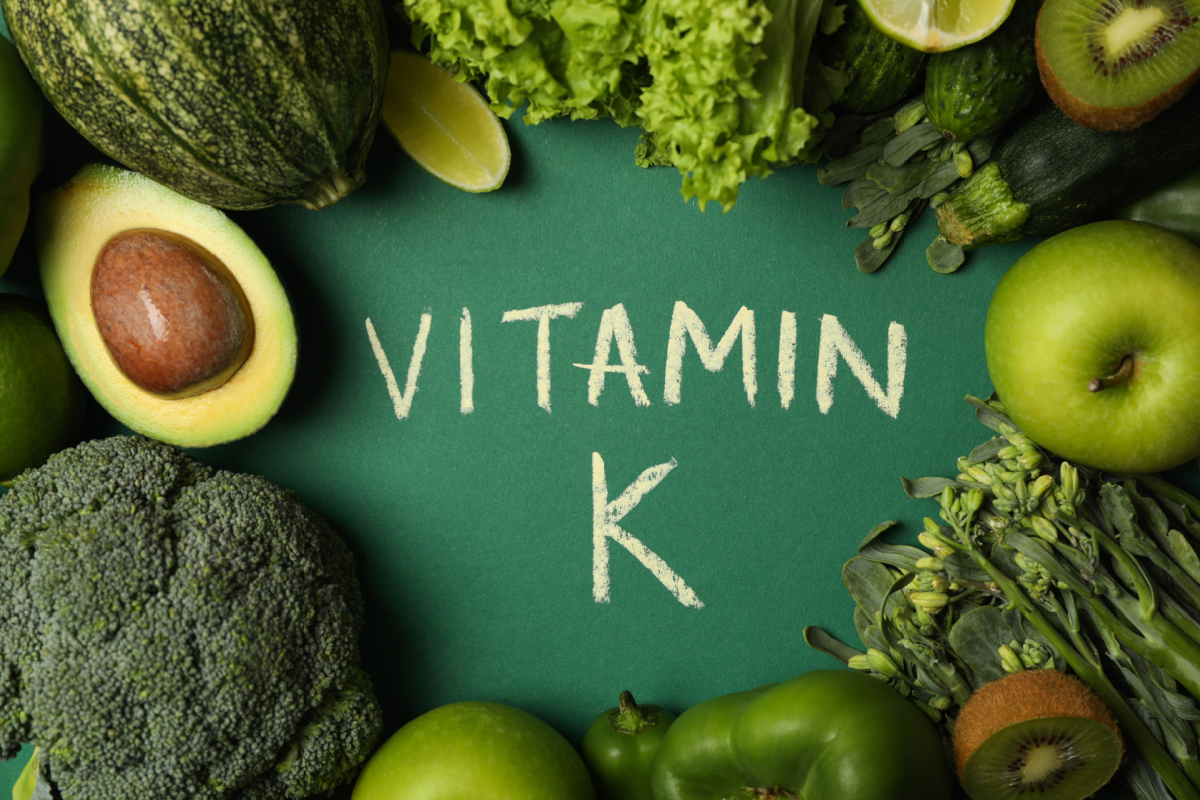
“Some of the foods most recommended for replacing vitamin K include cabbage, broccoli, kale, turnips, lettuce, cheese, egg yolks and liver. On the other hand, bacterial imbalance in the body, called dysbiosis, can lead to vitamin K2 deficiency. This factor can be aggravated by the excessive use of antibiotics, which destroy the intestinal microbiota. In this case, vitamin K2 supplementation is recommended”, advises the nutritionist.
Unregulated intake can be harmful
Despite being one of the most relevant nutrients for cardiovascular health, excessive intake of vitamin K can be especially harmful to heart health. This happens due to the direct interaction of the substance with certain medications, such as anticoagulants indicated in cases of arrhythmias or after heart valve transplantation. The vitamin works as a natural “antidote” to these medications, therefore, sudden fluctuations in the nutrient intake can harm the treatment.
“The main recommendation is not to exclude vitamin K from the diet, but rather to maintain a consumption constant and stable, allowing the doctor to adjust the medication dose based on the patient’s usual eating habits”, explains Dr. Lucas Waldeck.
The specialist advises that vitamin replacement should only be done when indicated and under medical supervision. “It is essential that patients with cardiovascular diseases, especially those using anticoagulation, avoid the use of supplements vitamins on your own, as even doses contained in multivitamins can interfere with coagulation control. Any replacement must be done in a safe and controlled manner, with medical supervision”, concludes Dr. Lucas Waldeck.
By Bernardo Bruno