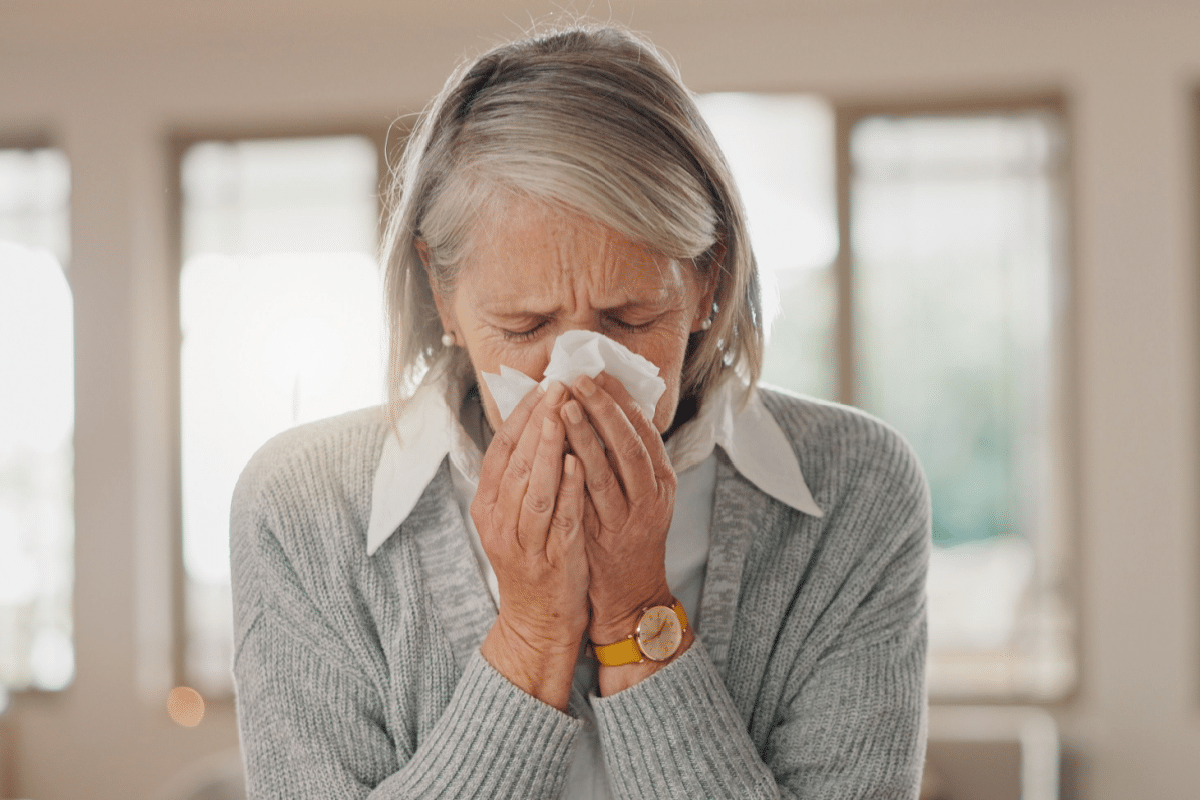
Combination of dry air, pollution and sudden temperature changes creates the perfect environment for viruses
EdiCase Editorial
With the onset of winter, emergency rooms are once again recording an increase in queues for care. In Brazil, however, a large part of the country does not experience intense and constant cold, but rather sudden changes in temperature depending on the arrival of cold or hot air masses, with cold days of rain followed by warmer days of sun. These variations in the thermometer are popularly known as the “seesaw effect”.
According to Dr. Germana Torres, pulmonologist at Casa de Saúde São José, the body copes better with constant cold than with extreme variation. “Recently published studies have observed a significant increase in visits to the emergency room due to respiratory diseases both at very low and very high temperatures. What most affects the airways is thermal instability. With the abrupt changes, there is a kind of ‘repeated stress’ on the nasal mucosa, bronchi and local defense mechanisms”, he explains.
Factors that facilitate infections and respiratory diseases
The cold, dry air, characteristic of winter, causes constriction of the blood vessels in the nose and reduces the efficiency of the so-called “respiratory cilia”, small organisms that protect our bodies against viruses and pollution. In this context, the mucus becomes thicker, making it difficult to clean the airways and facilitating infections and diseases. With temperature variations, however, this occurs more abruptly and aggressively.
“In practical terms, the ‘seesaw effect’ works as a resistance test for the respiratory apparatus: the mucosa becomes inflamed more easily, local immunity becomes less efficient and viruses find a more favorable environment to settle in”, warns Dr. Germana Torres. For patients who already suffer from asthma, rhinitis or Chronic Obstructive Pulmonary Disease (COPD), this condition can make symptoms even worse, increasing the risk of wheezing and shortness of breath.
In addition to this factor, winter encourages people to spend more time in closed, unventilated places, facilitating contagion. Added to this, the dry climate and high concentration of pollutants in the air cause microdamages to the respiratory tract. It’s a perfect combination that irritates the airways, promotes allergies and increases viral transmissions.
Common viruses this time of year
Currently, different viruses share the leading role in hospitalizations. The InfoGripe bulletin from the Oswaldo Cruz Foundation (Fiocruz), referring to Epidemiological Week 22 of 2026, showed an increase in hospitalizations for Respiratory Syncytial Virus (RSV) and, in some regions, for influenza A and B. While RSV has mainly impacted small childrenrhinovirus appears with relevance in children and adolescents. On the other hand, influenza A predominates among young people, adults and the elderly, while influenza B shows growth among school age groups and young adults
When to go to the emergency room
With the increase in cases, a common question in doctors’ offices is knowing the right time to go to the hospital. Therefore, it is important to know how to differentiate the frames. “Allergic rhinitis usually manifests itself with consecutive sneezing, itchy nose or eyes, clear runny nose, nasal obstruction and absence of fever. Viral infections tend to come with systemic symptoms, such as fever, body aches, chills, sore throat, cough, significant malaise. The flu, in general, tends to be more intense and starts more suddenly than the common cold“, comments Dr. Germana Torres.
A visit to the emergency room, therefore, should occur when there are warning signs, such as shortness of breath, wheezing, fever for more than three days, drop in oxygen saturation (below 94%), mental confusion or sudden worsening after an initial improvement.
Vaccines are essential for protection
Despite the severity, the fight against these viruses has also come up against vaccine fatigue. After years of the Covid-19 pandemic, part of the population stopped getting vaccinated. THE vaccinationhowever, remains the greatest weapon against respiratory diseases in winter.
“Vaccination fatigue exists and is clinically noticeable, whether due to tiredness, excess information, misinformation or a false sense of security. The influenza vaccine needs to be administered annually because the virus undergoes frequent mutations. They do not always completely prevent infection, but they significantly reduce the risk of serious progression”, concludes Dr. Germana Torres.
By Bernardo Bruno