To safely stimulate hypertrophy, it is essential to balance the load used, the training volume and the correct execution of movements.
EdiCase Editorial
In the search for muscle mass gain, it is common to believe that increasing the exercise load is the fastest way to achieve results. However, lifting more weight doesn’t always mean training more efficiently. When the technique is neglected or the load progresses beyond the practitioner’s capacity, the risk of injury increases and can compromise progress.
To safely stimulate hypertrophy, it is essential to balance the load used, the training volume and the correct execution of the movements. This way, muscle development occurs gradually, consistently and with less likelihood of interruptions caused by injuries.
Is there an ideal load?
According to the personal trainer and physical educator Tauan Gomes, there is no “ideal load” for weight, but it is possible to find it safely. “First, it is important to differentiate the warm-up load from the workload. When warming up, the focus is to prepare the body, activate the joints and movement safely, using more repetitions and lower intensity”, he explains.
Now, when it comes to workload, “the weight must be adjusted to allow between 8 and 12 repetitions, with the last 2 or 3 requiring effort, respecting the rest guidelines between sets, speed of movement and amplitude. If the exercise is easy to complete within this parameter, the weight must be adjusted gradually”, he advises.
Overloading can cause injuries
According to the professional, overload without preparation can lead to serious injuries. “The training of bodybuilding it’s not just about increasing loads; There are several ways to stimulate mass gain without gaining excess weight. If it were just lifting loads, any heavy worker would have large muscles, for example. In addition to hypertrophy, training strengthens bones and joints, combats sarcopenia and improves quality of life”, he says.
Tauan Gomes warns that forcing the body beyond what it is prepared for, imposing loads and efforts beyond its ability to adapt, can compromise the integrity of muscles, tendons, joints and bones. “The result can be an injury that takes you away from training for months or even requires surgical intervention”, he highlights.
Supervision and technique are fundamental
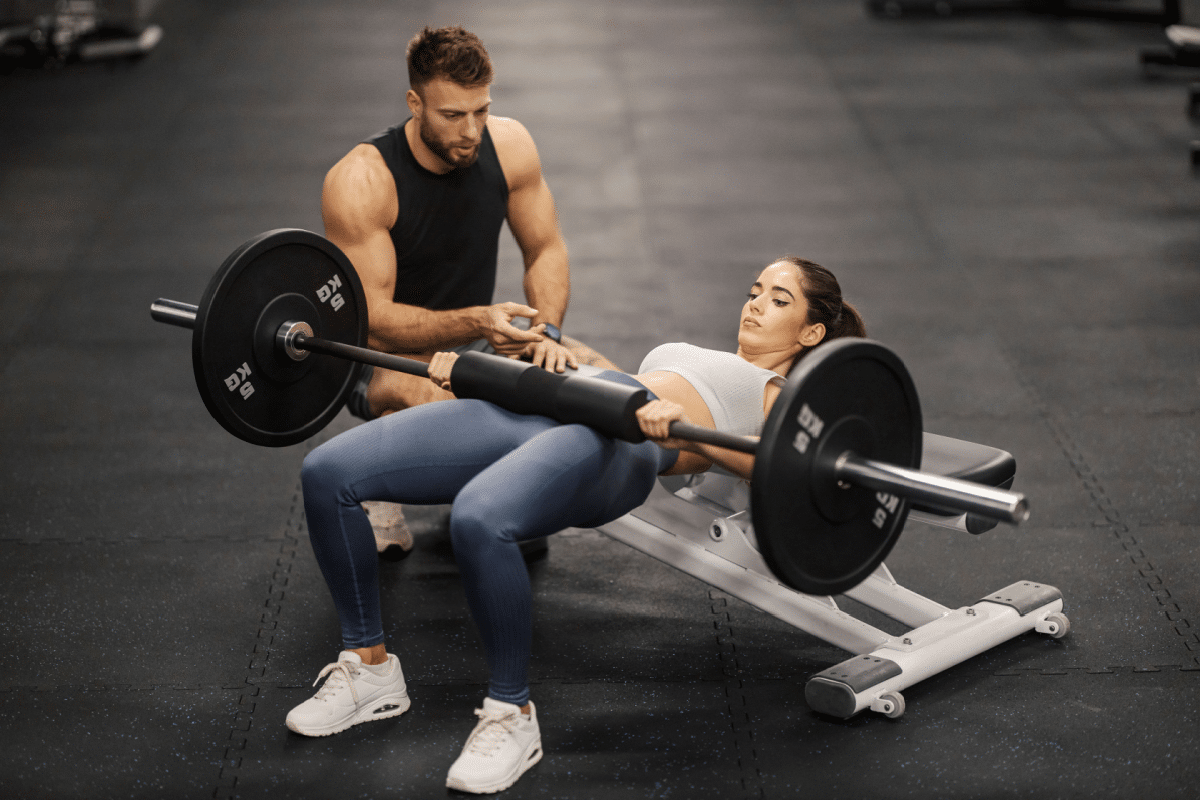
It is not the weight itself that determines the success of the training, but the quality of the movements. “Even if a person is able to lift high loads, without technique, the risk of injury is high, therefore, it is essential to have a professional monitoring, adjusting posture and guiding the progression of the load”, emphasizes Tauan Gomes.
The line between productive effort and harmful overload is fine, and knowing how to recognize your body’s limits makes all the difference. “Discomfort Mild pain is normal, but sharp, constant pain is a warning sign. In these cases, the ideal is to interrupt training and seek evaluation from a specialist to avoid injuries that could compromise the continuity and progress of training”, concludes the professional.
By Tayanne Silva