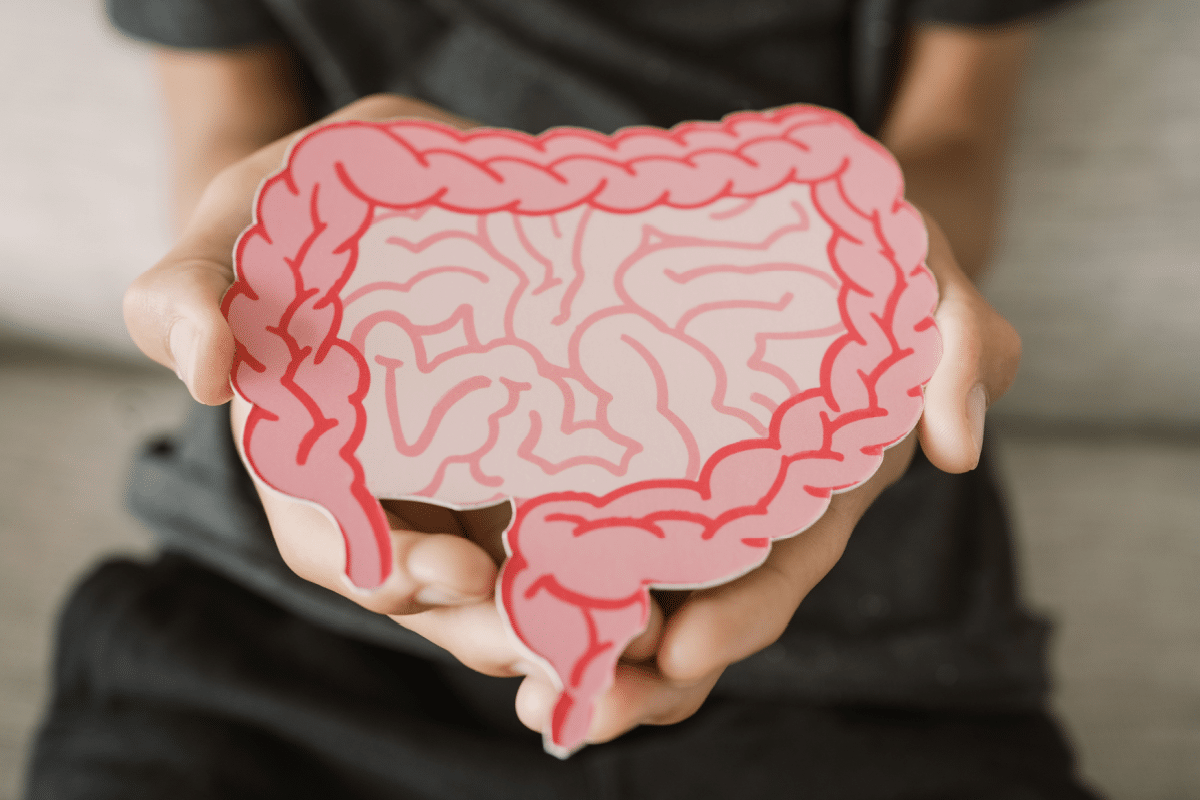
Expert explains why not all intestinal discomfort is related to microbiota imbalance and when it’s time to seek help
EdiCase Editorial
Bloated belly, gas, constant fatigue, mood swings, acne and difficulty losing weight. In recent months, the word “dysbiosis” has started to appear frequently on social media as a possible explanation for these and other symptoms. The problem is that self-diagnosis can delay identifying the true cause of discomfort and even lead to inappropriate use of supplements and restrictive diets.
Bruna Makluf, nutritionist and director of Nutrition at WeFit, a personalized health platform that provides nutritional monitoring, explains that the intestinal microbiota really plays an important role in health, but warns that not every digestive symptom is related to dysbiosis.
“It is common for many people to associate swelling or intestinal changes dysbiosis because they identified with content published on social media. The problem is that these symptoms can have numerous causes. Not all discomfort is related to the microbiota and not all different microbiota represent a disease”, he states.
What is dysbiosis?
Dysbiosis is an imbalance of the intestinal microbiota, a set of trillions of microorganisms, such as bacteria, fungi and viruses, that live naturally in the intestine and perform important functions for digestion, immunity and the health of the body.
Food, stress, medications, sleep quality and lifestyle habits can alter this balance over time. Therefore, according to the specialist, it is not possible to conclude that a person has dysbiosis just by the presence of symptoms, without an individualized assessment.
Another risk is starting treatments on your own. “There are people who start very restrictive diets or use probiotics without professional guidance, believing that this will solve the problem. In some cases, this decision can delay the diagnosis of the true cause of the symptoms”, warns Bruna Makluf.
Symptoms that deserve attention
Occasional digestive discomfort is common. However, when symptoms persist for weeks or start to interfere with quality of life, the recommendation is to seek professional evaluation. According to Bruna Makluf, it is important to investigate the condition, especially when it is accompanied by unexplained weight loss, frequent pain or persistent changes in intestinal function.
“It is also important to observe when discomfort starts to limit the routine. If the person avoids certain foods out of fear, lives with pain or swelling daily or tries different treatments without improvement, it is time to investigate”, warns the nutritionist.
Some signs deserve attention:
- Abdominal distension frequent;
- Persistent changes in intestinal functioning;
- Recurrent abdominal pain;
- Unexplained weight loss;
- Presence of blood in the stool;
- Symptoms that persist even after changes in diet.
“The investigation does not happen just because there is an exam available. Before any exam, it is necessary to understand the clinical history and evaluate each case individually”, he highlights.
What really helps to take care of the microbiota?
Despite the popularization of probiotics on social media, everyday habits continue to be the main allies of intestinal health. A diet rich in fruits, vegetables, legumes, whole grains and fiber, associated with regular physical activity, adequate sleep and reduced consumption of ultra-processed foods, is among the most recommended strategies to promote a healthy microbiota.
“The idea that there is a food or supplement capable of solving any problem on its own intestinal change does not correspond to what science currently demonstrates. The intestine responds to the set of habits”, explains Bruna Makluf.
According to the nutritionist, people with similar symptoms may have completely different causes for the discomfort. Therefore, when there is a clinical indication, complementary tests can assist in the investigation and contribute to a more individualized assessment.
Care before concluding that you have dysbiosis
Before concluding that you have dysbiosis, it is important to remember:
- Do not self-diagnose based solely on social media content;
- Avoid using probiotics or supplements without professional guidance;
- Observe whether the symptoms are persistent or just occasional;
- Seek evaluation when there is severe pain, unexplained weight lossblood in the stool or recurrent intestinal changes;
- Remember that diet, sleep, stress, medications and lifestyle habits influence intestinal health and must be evaluated together.
By Carolina Lara