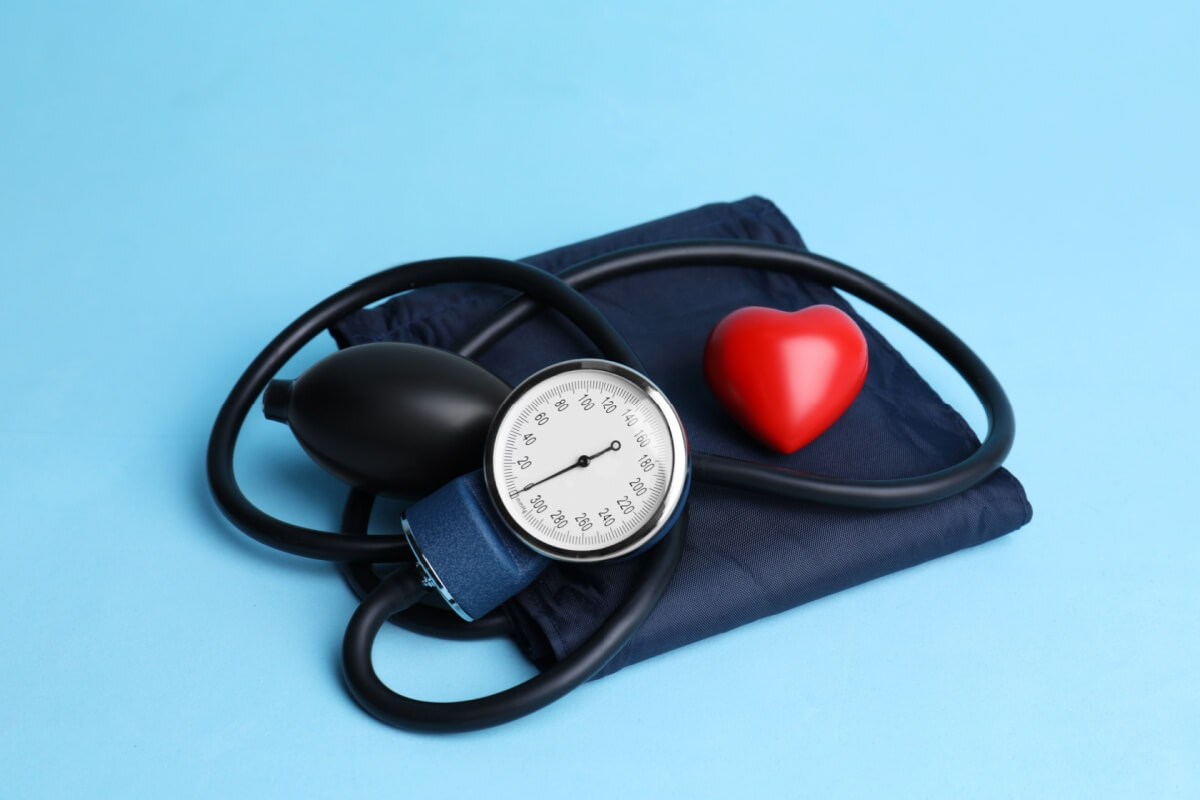
Hypertension, popularly known as high blood pressure, is one of the most common chronic diseases in Brazil and worldwide. The World Health Organization (WHO) estimates that more than 1.28 billion people live with it. In Brazil, according to the National Health Survey (PNS), conducted by the Brazilian Institute of Geography and Statistics (IBGE), more than 38 million Brazilians reported medical diagnosis of high blood pressure in 2019.
According to the doctor Carlos Augusto Figueiredo Correia, from the area of AmorSaúde Medical Clinic, there are two main types of hypertension. Primary is the most common and usually develops over the years without a specific identifiable cause; Secondary is associated with other health conditions, such as kidney disease, hormonal disorders or use of certain medications.
Hypertension stages
In addition to the classification of hypertension according to its causes, the condition It can also be divided into different stages, according to the evolution of blood pressure levels:
- Prehypertension: When systolic blood pressure (higher measured value) varies between 120 and 129 mmHg and diastolic pressure (lower value) remains below 80 mmHg;
- Hypertension Stage 1: It occurs when systolic pressure is between 130 and 139 mmHg or diastolic ranges from 80 to 89 mmHg;
- Hypertension Stage 2: It is characterized by systolic pressure values equal to or greater than 140 mmHg, or diastolic pressure from 90 mmHg;
- Hypertensive crisis: Situation considered severe, where systolic pressure exceeds 180 mmHg or diastolic pressure is above 110 mmHg.
What does each number mean in pressure measurement?
According to doctor Carlos Augusto Figueiredo Correia, the numbers of blood pressure indicate the strength that blood exerts on the walls of the arteries during circulation, always being represented by two values. The first number, called systolic pressure, corresponds to pressure when the heart contracts to pump blood – is the highest number in measurement, such as the “12” in the pressure popularly known as “12 by 8”. The second number, called diastolic pressure, represents the pressure in the arteries when the heart is at rest between the beats – is the smallest number, such as the “8” in the same measurement.
Thus, a pressure of 12 by 8 means that during heart contraction, blood pressure is 120 mmHg, and at the time of relaxation, 80 mmHg. Values above 13 by 9 already light a warning signal and may indicate the beginning of a hypertension, which is progressively aggravated as the numbers increase. When the pressure exceeds 18 by 11, the situation is considered a hypertensive crisis, requiring immediate medical care.
Hypertension among young people
Although it is even more common among adults and the elderly, hypertension has been worryingly advanced among young people. A survey of the Brazilian Society of Cardiology reveals that about 10% of Brazilians between 18 and 24 years old already have high levels of blood pressure.
Although generations with greater access to health and well-being information, many maintain harmful health habits-such as excessive consumption of energy beverages, the use of electronic cigarettes and constant exposure to digital stress-which contributes directly to the early emergence of the disease.
Symptoms and risks of hypertension
One of the biggest dangers of hypertension in any age group is that it often has no obvious symptoms. This makes early diagnosis difficult and reinforces the importance of periodic blood pressure measurements.
When present, symptoms may include headache, dizziness, cloudy vision, shortness of breath and palpitations. In the long run, non -controlled hypertension can compromise organs such as heart, kidney and brain, increasing the risk of infarction, stroke (stroke), heart failure and cognitive decline.
Main risk factors
Several elements increase the likelihood of developing high blood pressure. Among the main risk factors, Carlos Augusto Figueiredo Correia lists:
- Family history of hypertension;
- Diet rich in sodium, fats and ultra -processed foods;
- Obesity or overweight;
- Physical inactivity;
- Excessive alcohol consumption;
- Smoking;
- Chronic stress and sleep disorders.
Prevention and control: the role of lifestyle
Although it has no cure, hypertension can be controlled with lifestyle changes and, when necessary, with the use of medicines. With the advancement of technology, blood pressure monitoring has become more affordable.
Mobile phone applications connected to measuring devices allow for real time tracking of pressure levels, assisting in early diagnosis and adherence to treatment. “Technology can be a great ally, as long as used responsibly and with the accompaniment of a health professional,” points out the doctor.
Carlos Augusto Figueiredo Correia warns that one healthy eating It is one of the pillars in pressure control. “The sodium present in processed and canned foods directly contributes to increased blood pressure. A balanced diet prescribed by a nutritionist is a determining factor in preventing and controlling this and so many diseases,” says the professional.
Emotional factors and sleep quality also influence pressure levels. Practices such as regular physical activity, meditation, everyday breaks and consistent sleep routine can help reduce stress impacts. “Creating a routine with regular sleeping and waking time contributes to the body’s balance,” adds Correia.
Use of common medicines and errors
When the use of medicine It is necessary, it is essential that it is done with medical advice and continuously. A common mistake is to stop treatment on its own, which can cause complications. “Many patients abandon medicine as they feel good, and this is a great risk. Adherence to treatment and the adoption of healthy habits are indispensable for pressure control,” the doctor concludes.
By Nayara Campos