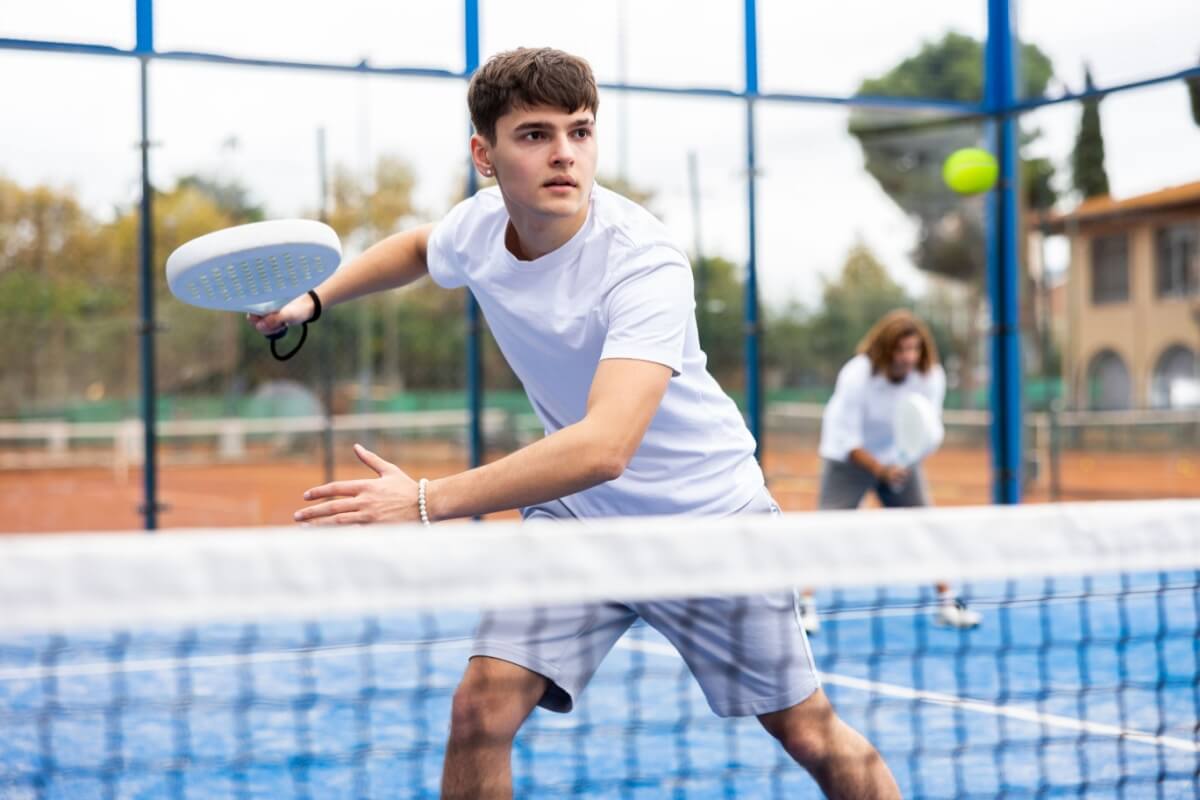
Discipline, routine and coexistence are some of the benefits that practicing sports brings to children and adolescents
According to the Brazilian Institute of Geography and Statistics (IBGE), in 2024, 8.7 million young people between 14 and 29 years old did not complete high school because they had dropped out of school or never attended it. Furthermore, the organization points out that around 84% of young people in the country are physically inactive. This scenario raises awareness about topics such as school dropout, emotional insecurity and exposure to risky behaviors.
Even in the midst of so many challenges, sport emerges as an accessible and efficient tool for strengthen children and adolescents. More than moving the body, it helps to create bonds, organize the routine and develop socio-emotional skills. Sport teaches discipline, focus, decision-making and collective coexistence — essential pillars in the training of young people.
Mario Sérgio Andrade Silva, consultant at AES Impulso, explains that the practice goes beyond competition: “Sport awakens self-confidence and teaches virtues for life, such as respect and resilience. Young people learn to deal with frustrations and overcome internal and external obstacles.”
Proven benefits for families and young people
The report “The generational ROI of youth sports” from First Tee and Harris Poll, with a survey carried out with guardians of children and adolescents, points out that:
- 92% believe that sport helps develop character;
- 90% say it teaches life skills;
- 88% maintain sports in the family budget, even in challenging times;
- More than 90% of parents of adults recognize positive impacts years after childhood.
These data reinforce the idea that regular physical activity contributes to emotional well-beingimproves self-esteem and creates habits that accompany the young person into adulthood.
A story that inspires: the path of Elielson Tenório
Elielson Tenório discovered the sport at the age of 12, through a social project in his community, on the outskirts of São Paulo. The training routine helped him develop discipline and perspective for the future. Graduated in Physical Education and working with children and teenagers, he says that the practice was decisive in his career. “Sport took me to places I never imagined. It opened doors and changed my destiny. Today, I want other children to have the same opportunity”, he says.
The example of Elielson Tenório shows how sport can transform realities and create new life possibilities. In many community projects, the sports coach acts not only as an instructor, but as a mentor. He guides, welcomes and monitors the development of young people — on and off the court. “Each coach is an agent of change. He helps young people to recognize their potential and understand their role in the community”, adds Mario Sergio Andrade Silva.
Encouraging sports practice
To encourage sports in children’s daily lives, experts recommend:
- Encourage the child to try different modalities;
- Look for activities close to home to make your routine easier;
- Prioritize fun and learning, especially in childhood;
- Talk about feelings, victories and frustrations after each training;
- Monitor evolution, reinforcing small achievements and never demanding results.
Sport as a path of protection and belonging
Practicing sports creates bonds, organizes time and contributes to emotional development, reducing exposure to risky behaviors. In a country with so many challenges for youth, offering access to sport it is also about offering protection, perspective and belonging. “The race, like life, begins with a first step. The important thing is to ensure that young people have the chance to start”, concludes Mario Sérgio Andrade Silva.
By Fernanda Bertin Quinta