High blood pressure is an important risk factor for the heart health of dogs and cats
Celebrated on April 26, National Day to Prevent and Combat High Blood Pressure serves as a reminder not only to take care of human health, but also that of pets. Dogs and cats can also develop high blood pressure — a silent condition that, when unidentified, can lead to complications in the heart and other organs.
“The persistent increase in pressure causes the heart to work harder, as there is greater effort to pump blood to the arteries. Over time, this can lead to hypertrophy of the heart walls, which increases the risk of cardiovascular diseases”, explains Dr. Nathalia Cardoso, coordinator of the cardiology sector at Veros Hospital Veterinário. Furthermore, hypertension can worsen existing diseases, increasing the possibility of serious complications, such as stroke.
Nos petshowever, the condition usually has a different origin: instead of appearing in isolation, hypertension is generally associated with other diseases, such as kidney problems or hormonal disorders. Therefore, attention to animal health is essential.
Warning signs for hypertension in pets
Hypertension is usually silent, but it can also show some signs. The owner must remain alert and seek veterinary evaluation if the animal observes:
- Excessive tiredness and exercise intolerance;
- Panting or difficulty breathing;
- Loss of appetite;
- Changes in behavior (apathy or isolation, especially in cats);
- Increased water intake and urine volume;
- Overweight.
Diagnosis of high blood pressure in animals
The best way to protect your heart pets is to carry out regular consultations and check-ups annually. “Early detection is essential. The sooner we identify hypertension or its underlying cause, the greater the chances of control and longevity. With appropriate treatment, pets can live with well-being and quality of life”, reinforces Dr. Nathalia Cardoso.
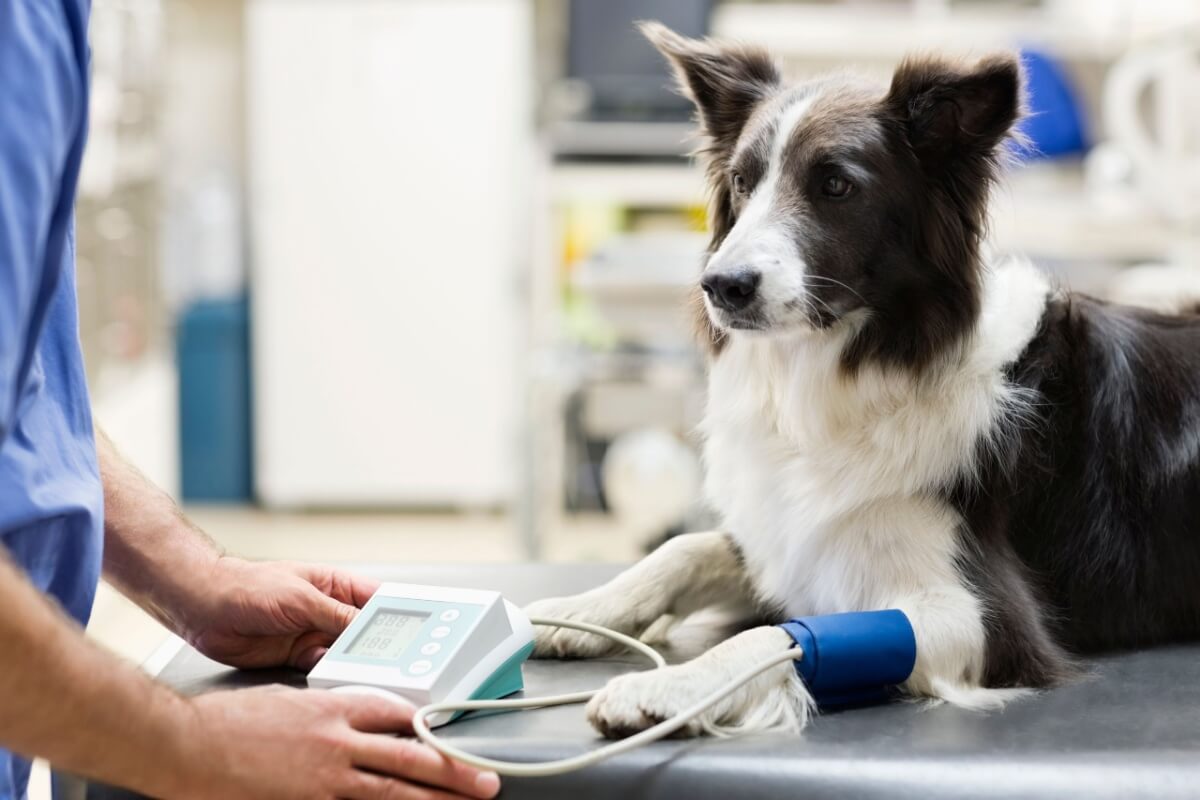
Diagnosis involves a combination of clinical assessment and complementary exams. The measurement of systemic blood pressure in pets is a non-invasive and painless exam, carried out in a similar way to humans, using a cuff (the inflatable band of the meter) adapted to your size, placed on the paw or butt.
When necessary, the veterinarian may request additional tests, such as echocardiogram, electrocardiogram (ECG), chest x-ray, Holter, as well as blood and urine. They help evaluate heart function and identify the cause of hypertension.
Por Vanessa Krunfli Haddad