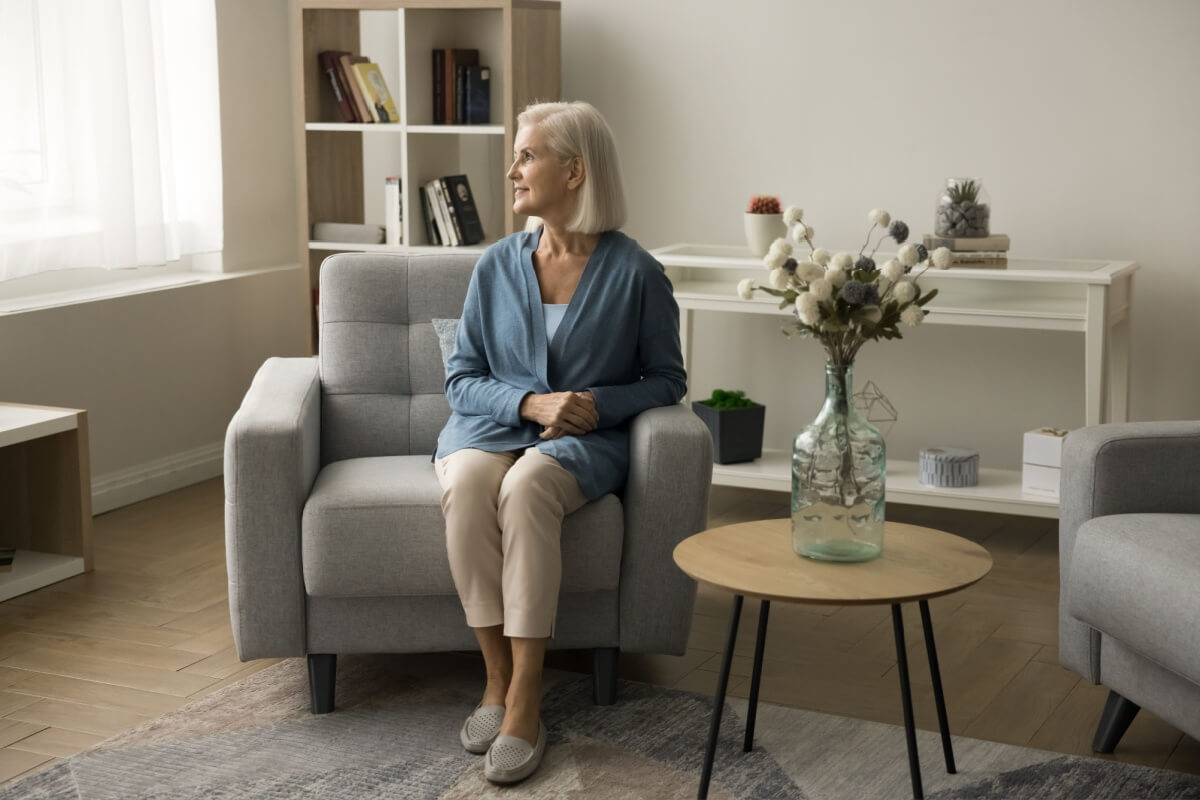
Simple interventions and can be incorporated into both renovations and new properties
EdiCase Editorial
Brazil is aging at an accelerated pace. Between 2012 and 2025, the Brazilian population aged 60 or over rose from 11.3% to 16.6%, according to the Continuous PNAD (National Household Sample Survey), from IBGE (Brazilian Institute of Geography and Statistics). This demographic change generates reflections on health, mobility and housing, which brings new challenges for families, healthcare professionals and architects.
To serve this portion of residents, structural changes to homes are given priority. Architectural planning can help reduce risks, make daily life easier and preserve the independence of those who wish to remain at home as they age.
According to architect and urban planner Sabrina Fidelis, an interior specialist with experience in healthcare projects, there are interventions that are simple and can be incorporated into both renovations and new properties. “Most of the adaptations are related to accident prevention and the organization of spaces. The house needs to keep up with the changes that occur throughout life”, he states.
Below, the professional indicates five ways to adapt your home to aging. Check it out!
1. Reduce the risk of falls
Normally, when a person buys a property, they are not concerned about the accessibility of the location. However, over the years, this lack of planning can result in domestic accidents caused by unevenness, flats slippery, access exclusively via stairs, sharp corners and loose carpets, which increase the risk of falls.
According to Sabrina Fidelis, the first step is to assess circulation between environments. Hallways, bedrooms and bathrooms often require special attention. “In many cases, the removal of obstacles and the appropriate choice of coverings already contribute to making the house safer”, he states. Non-slip floors, free circulation and elimination of physical barriers work.
2. Enhance ambient lighting
The gradual reduction in visual capacity is part of the natural aging process. Therefore, lighting plays an important role in safety and autonomy within the home. The guideline is to make the most of natural light and complement the environments with evenly distributed artificial lighting. Presence sensors in corridors, bathrooms and circulation areas can also facilitate nighttime travel and reduce the risk of accidents.
3. Pay special attention to the bathroom
Among the environments in the residence, the bathroom accounts for a significant portion of accidents involving elderly people. Here’s what to consider:
- Well-positioned support bars (there is a standard that establishes recommendations and suitable dimensions for installation: ABNT NBR 9050);
- Non-slip flooring throughout the wet area;
- Type box walk-in or thresholdless systems, which eliminate physical barriers and significantly reduce the risk of falls, providing greater autonomy and comfort to the user;
- Bath bench, fixed or removable;
- Toilet at suitable height (or with attached seat lift).
“The bathroom brings together water, slippery surfaces and reduced spaces. Small interventions can contribute to more safety and autonomy in the most private environment of the residence”, says the architect.
4. Prioritize ergonomics in everyday life
The arrangement of furniture and frequently used objects directly influences the independence of residents. Cabinets that are too high or too low, for example, require movements that can compromise balance or create discomfort. The recommendation is to keep utensils, clothes and daily use items in easy-to-reach areas, thus avoiding unnecessary efforts and making everyday activities simpler.
“A well-planned project considers ergonomics in all stages of the routine, from picking up a cup in the kitchen cupboard to reaching for a book on the shelf”, says Sabrina Fidelis.
5. Plan adaptations before necessary
A architecture Focused on longevity, it is based on the principle that adaptations do not need to occur only when physical limitations arise. Wider doors, wide circulation areas and spaces prepared to receive support equipment can be planned during the design or renovation phase.
“When these solutions are incorporated from the beginning, the residence tends to respond better to future needs and avoids emergency actions. It is possible to have environments capable of accompanying different phases of life, with functionality, accessibility and quality of life”, says Sabrina Fidelis.
By Fernanda Pereira