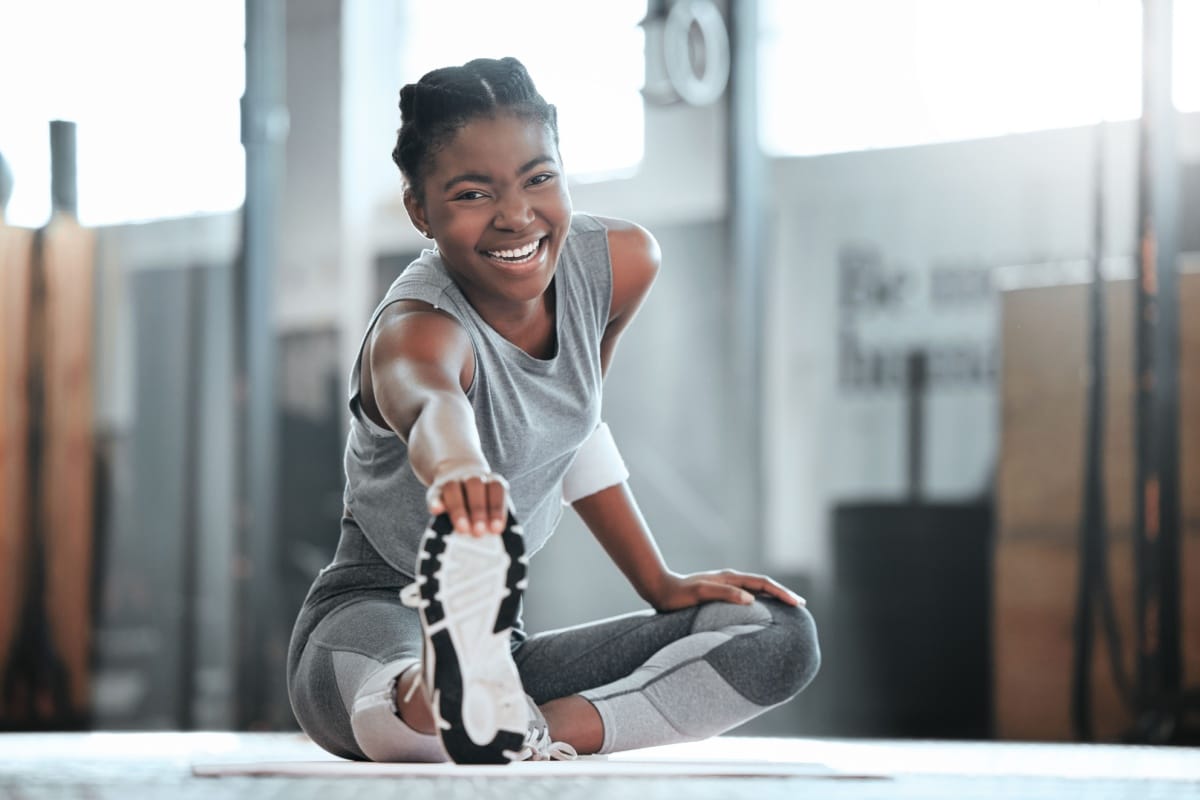
Maintaining an active routine can promote not only the functioning of the body, but also the quality of life and well-being
EdiCase Editorial
Regular physical activity is one of the main allies of female health. In addition to contributing to physical fitness and maintaining body weight, movement plays an important role in preventing various diseases, such as cardiovascular problems, osteoporosis, diabetes and conditions related to a sedentary lifestyle.
Exercises adapted to each woman’s needs and characteristics can help strengthen muscles and joints, improve mobility and reduce risk factors for various health conditions. For Maria Lua Marques de Mendonça, PhD in Health Sciences and professor of the Physiotherapy course at Faculdade Anhanguera, small changes in routine can already have positive impacts.
“Physical activity contributes to muscle strengthening, improved blood and lymphatic circulation, hormonal balance and emotional well-being. The most important thing is to find a pleasurable practice, compatible with the reality and needs of each woman”, he explains.
Although the World Health Organization (WHO) recommends between 150 and 300 minutes of exercise per week physical activity moderate, the expert highlights that starting with small changes in everyday life, such as walking and stretching, can already bring important health benefits.
Check out five physical activities recommended by the physiotherapist:
1. Walk
This is a simple, accessible aerobic activity suitable for women of different ages. It can be performed outdoors or on treadmills, with a moderate pace and an average duration of between 30 and 40 minutes. Walking improves cardiovascular fitness, helps control weight, reduces stress and contributes to the prevention of hypertension, diabetes and heart disease.
Practicing outdoors also stimulates the production of serotonin, a hormone related to the feeling of well-being, also favoring the emotional balanceespecially in women who face intense routines and daily overload. When performed on inclined routes, the activity becomes more intense, increasing caloric expenditure and requiring greater muscular and cardiovascular activation.
2. Muscle strengthening
Activities such as weight training or functional training help strengthen muscles and stabilize joints. To ensure safety and best results, it is important that the exercises are carried out with professional guidance and gradual load progression, respecting individual physical conditioning.
Among the benefits are the prevention of osteoporosis, a disease that affects approximately one in three women after menopause, improved posture, reduced body pain and increased physical resistance for daily activities, also favoring a healthier aging. This care becomes even more important after the age of 30, a phase in which there is a gradual reduction in muscle and bone mass.
3. Stretches
Stretching works on body flexibility and helps reduce muscle tension caused by stress or long periods in the same position, a common situation among women who juggle work, home and care for family. Movements must be made slowly, respecting the body’s limits and maintaining each position for at least 30 seconds.
The practice improves mobility, relieves muscle and joint pain, and contributes to better body awareness. Furthermore, stretching can be done in combination with other activities, such as walking and weight training.
4. Pelvic floor exercises
Also known as Kegel exercises, these movements consist of contracting and relaxing the pelvic floor muscles. They can be performed in different positions, such as sitting, standing or lying down, and help to strengthen the muscles responsible for supporting the bladder, uterus and intestine.
The practice helps prevent urinary incontinence, assists in postpartum recovery and contributes to female intimate health, with especially important benefits during pregnancy and menopause. Additionally, exercise can improve body perception and promote sexual well-being at different stages of life.
5. Yoga and breathing exercises
Yoga combines body postures, stretching and breathing techniques that promote physical and emotional balance. The practice can be adapted to different levels of physical fitness and helps control anxiety, improve posture, flexibility and quality of sleep. Furthermore, it promotes relaxation and reduces symptoms related to everyday stress and tension, including common discomforts in the premenstrual period and climacteric symptoms.
Create a care and movement routine
According to professor Maria Lua Marques de Mendonça, constancy is one of the main factors for the benefits of physical activity be perceived over time. “The most important thing is to maintain a routine of care and movement. In the rush of everyday life, women often end up being the last to take care of themselves. Moving the body, listening to the signals it gives and taking time for oneself are attitudes that represent prevention, but also self-care. Health is not built in a single day, but rather in small choices made throughout life”, he concludes.
By Luana Figueiredo