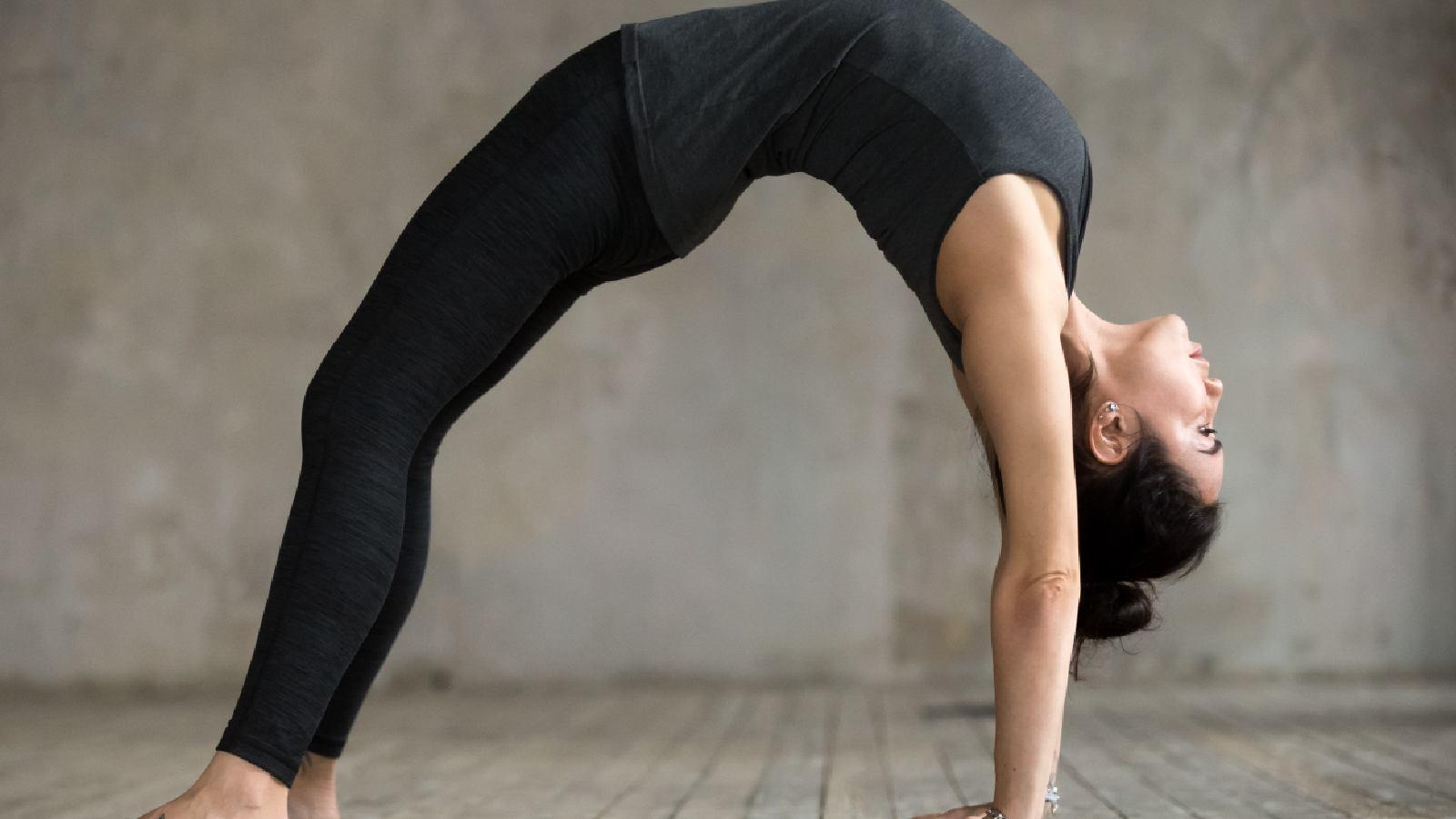
Yoga has long been praised for its ability to improve flexibility, strength, and mental clarity. But did you know it can also help with bladder control? For those struggling with urinary incontinence, incorporating specific yoga poses into your daily routine may provide relief and improve quality of life. Let’s explore nine poses that can help manage urinary incontinence and promote pelvic floor strength.
1. Finding balance: Yoga poses to strengthen pelvic floor muscles
Yoga is a wonderful practice that can help strengthen various muscles in the body, including the pelvic floor muscles. By incorporating specific poses into your routine, you can find balance and increase your overall strength. Here are some yoga poses that target the pelvic floor:
- Bridge Pose: This pose helps strengthen the pelvic floor muscles by engaging the glutes and hamstrings.
- Malasana (Garland Pose): This deep squat pose can help stretch and strengthen the pelvic floor.
- Utkatasana (Chair Pose): By engaging the core and thighs in this pose, you can also work on strengthening the pelvic floor.
These poses, when practiced regularly, can help you find balance and stability in your yoga practice while also improving the strength of your pelvic floor muscles. Remember to listen to your body and adjust the poses as needed to avoid any discomfort or strain.
2. Flowing with ease: Gentle asanas for better bladder control
Yoga can be a powerful tool in helping to improve bladder control. By practicing gentle asanas, you can increase awareness of your pelvic floor muscles and strengthen them over time. These asanas can also help to release tension in the hips and abdomen, promoting better circulation and overall bladder health.
Some gentle asanas that can aid in better bladder control include:
- Baddha Konasana (Bound Angle Pose): This pose can help to open up the hips and improve flexibility in the groin area.
- Supta Baddha Konasana (Reclining Bound Angle Pose): By lying down in this pose, you can relax and release tension in the pelvic area, promoting better bladder function.
- Malasana (Garland Pose): This squatting pose can help to strengthen the pelvic floor muscles and improve overall bladder control.
3. Inner strength: Harnessing the power of yoga to manage urinary incontinence
Yoga has been known to be a powerful tool in managing urinary incontinence, providing individuals with the inner strength needed to take control of their condition. Through a series of gentle poses and breathing exercises, yoga helps strengthen the pelvic floor muscles and improve bladder control. Here are some key ways in which yoga can help in managing urinary incontinence:
- Increases awareness of the pelvic floor muscles
- Improves muscle tone and coordination in the pelvic area
- Reduces stress and anxiety levels, which can contribute to incontinence issues
By practicing yoga regularly, individuals can empower themselves to effectively manage their symptoms and improve their quality of life. From simple poses like the Bridge Pose to more advanced poses like the Eagle Pose, there are a variety of yoga exercises that can be tailored to suit each person’s needs. With dedication and patience, harnessing the power of yoga can lead to significant improvements in urinary incontinence symptoms.
4. From downward dog to happy baby: 9 poses to help with bladder control issues
Are you looking for natural ways to improve bladder control issues? Try incorporating these 9 yoga poses into your daily routine to help strengthen your pelvic floor and alleviate symptoms.
- Child’s pose
- Bridge pose
- Wide-legged forward fold
- Seated forward bend
By practicing these poses regularly, you can increase blood flow to the pelvic area, improve muscle tone, and enhance overall bladder control. Remember to listen to your body and modify poses as needed to ensure a comfortable practice.
- Goddess pose
- Supine bound angle pose
- Legs up the wall pose
- Happy baby pose
Incorporating yoga into your daily routine can be a powerful tool in managing urinary incontinence and improving bladder control. By practicing these nine poses regularly, you can strengthen the muscles in your pelvic floor and enhance your overall physical and mental well-being. Remember to listen to your body, breathe deeply, and be patient with yourself as you embark on this journey towards better bladder health. Namaste.