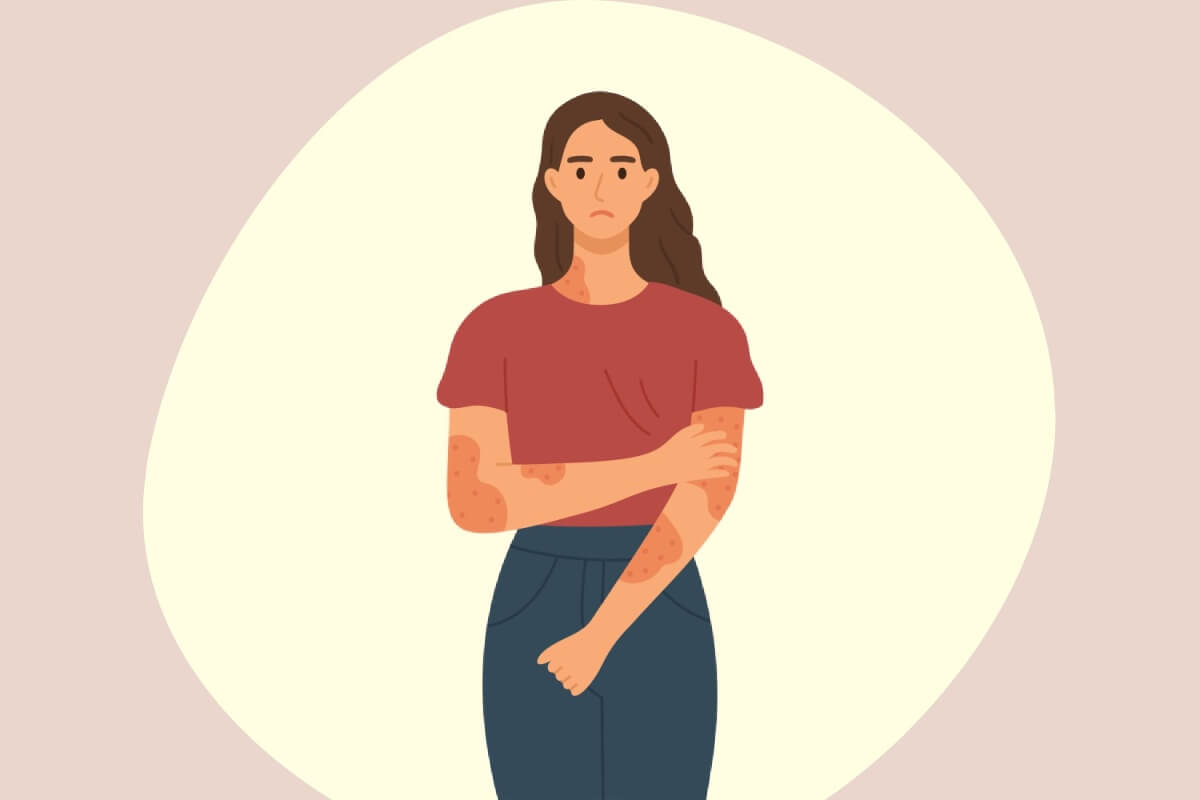
Chronic, immune-mediated inflammatory condition mainly affects the skin, but can also compromise joints and nails
EdiCase Editorial
In May, the approval of a new therapeutic alternative for chronic inflammatory diseases reignited the debate about psoriasis in Brazil. The National Health Surveillance Agency (Anvisa) authorized the registration of the drug ustekinumab (Yesintek), indicated for the treatment of psoriasis, psoriatic arthritis, Crohn’s disease and ulcerative colitis.
According to global data from the National Psoriasis Foundation, psoriasis affects around 125 million people worldwide, which represents between 2% and 3% of the world’s population. In Brazil, the scenario also draws attention. A study published by Ipsos, a multinational market research and consultancy company, shows a significant growth in the number of patients undergoing treatment for psoriasis in the Unified Health System (SUS) between 2019 and 2024.
Between 2009 and 2019, patient volume growth occurred more moderately, with an average annual rate of 6.1% for new diagnoses and 7.5% for patients undergoing treatment. Between 2019 and 2024, rates practically tripled, reaching 19.2% for new patients and 25% for those undergoing therapeutic follow-up.
What is psoriasis?
Dr. Maria de Fátima, dermatologist at Afya Educação Médica Belo Horizonte, explains that psoriasis is a chronic, immune-mediated inflammatory disease that mainly affects the skin, but can also compromise joints and nails, in addition to being associated with intestinal and eye diseases, with an important emotional and metabolic impact. It occurs due to inadequate activation of the immune system, which accelerates the skin cell renewal process.
Main warning signs of the disease
The symptoms of psoriasis can vary greatly between patients, but some findings are quite characteristic and help in early recognition of the disease. The dermatologist highlights that among the main warning signs they are:
- Reddish and scaly plaques: They tend to appear more frequently in areas such as elbows, knees, scalp and lower back, varying in extent and intensity. There is also more evident scaling, with the formation of whitish or silvery “scales” on the lesions;
- Itching, burning or local sensitivity: they may be present mildly or more intensely, depending on the degree of skin inflammation;
- Nail changes: detachment of the nail plate, presence of ripples, thickening or small “holes”, which may indicate nail involvement;
- Joint pain: which may appear in some cases and raise the suspicion of psoriatic arthritis, an associated form of the disease;
- Injuries to fold areas of the body: armpits, groin and inframammary region, which can be confused with fungal infections, such as ringworm, requiring careful evaluation for correct diagnosis.
Factors that can trigger crises
Patients may have crises triggered or worsened by different factors, especially when there is a genetic predisposition. “Among the main triggers are emotional stress, infections mainly in the throat, trauma or skin injuries, smoking, excessive alcohol consumption, obesity, sleep deprivation, use of some medications such as lithium and beta-blockers, in addition to the abrupt suspension of systemic corticosteroids. Cold weather and dry skin can also contribute to the worsening of the condition”, warns Dr. Maria de Fátima.
According to the specialist, each person can react differently to these factors, which makes individualized medical monitoring essential. Good adherence to treatment, associated with the adoption of healthy lifestyle habits and control of triggering factors, makes a big difference in reducing crisesimproving symptoms and quality of life.
Advances in the treatment of psoriasis
According to the Ipsos study, biological medicines already serve just over half of the patients treated by the SUS. In 2024, three molecules concentrated more than 80% of this market: adalimumab, secukinumab and ustekinumab, consolidating themselves as the main therapeutic options for moderate and severe cases of the disease.
“Therapeutic advances in recent years have transformed the management of psoriasis. Today, we have medications that are more targeted at the inflammatory pathways of psoriasis.” illnesswhich provides greater efficacy and faster response to lesions, in addition to a more favorable safety profile compared to older therapies. As a result, there is a significant improvement in quality of life, including sleep, self-esteem and productivity, as well as a reduction in the emotional and social impact of the disease”, adds Dr. Maria de Fátima.
Challenges in diagnosing and treating psoriasis
Still according to the Ipsos study, the distribution of cases between men and women appears practically tied, with a slight female predominance, representing 50.1% of cases. However, research points to important differences in age at diagnosis. Among women, confirmation of the disease usually occurs later, concentrating between 50 and 59 years of age. Among men, diagnoses are more widely distributed, between 44 and 64 years old.
The survey interviewed 164 medical specialists, who pointed out the lack of information and awareness among the population as the main barrier in the management of psoriasis, cited by 58% of those interviewed. Another frequent challenge is irregular follow-up, as many patients seek care only in times of crisis, which compromises continuous control of the patient’s health. inflammation. Furthermore, 50% of doctors highlight the difficulty in early diagnosis as one of the main obstacles to more effective treatment.
In addition to the difficulties related to diagnosis and treatment, Dr. Maria de Fátima highlights that there are still many myths surrounding the disease. “Psoriasis is not contagious. It is a myth that it ‘catches by contact’ or that it is just an aesthetic problem, as it is a systemic inflammatory disease. On the other hand, it is true that stress can worsen the condition and that the disease is treatable. Although there is no definitive cure, it is possible to control it well and achieve long periods of remission”, he concludes.
By Matheus Garcia