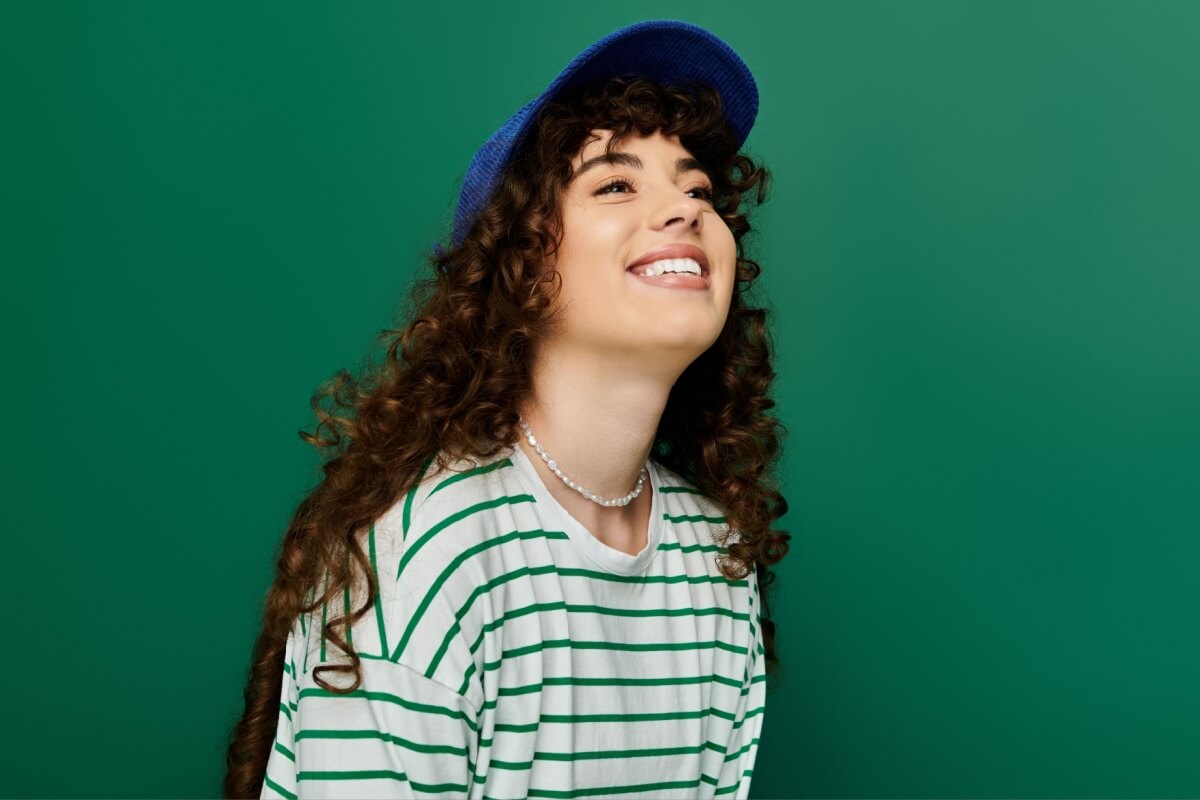
See how it is possible to make combinations with green, blue and yellow, translating the Brazilian identity in a versatile and sophisticated way
EdiCase Editorial
During World Cup periods, green and yellow tend to dominate the productions of those who want to show support for the Brazilian team. But, in recent years, a change in behavior has expanded the way people incorporate references to Brazil into their clothing. Instead of just focusing on literal combinations or fan uniforms, interest is growing in more versatile options, capable of translating Brazilian identity without giving up personal style.
For Karine Strapazzon, modeling expert and founder of Arsie, the trend reflects a search for authenticity. “People want to participate in the moment, but without leaving aside their own personality. clothes need to work for that event, but also make sense for whoever is wearing it,” he says.
Below, she shows how to incorporate the colors of Brazil into your look in a creative and elegant way. Check it out!
1. Bet on blue and off-white for a more sophisticated look
One of the most versatile combinations for those who want to avoid the obvious is combining shades of blue with off-white. While the blue refers to the colors of the Brazilian flag, the off-white helps balance the composition and brings a more elegant and timeless appearance. “These are colors that work very well together because they create a reference to Brazil without being literal. Furthermore, they are easy to use on different occasions, even after games”, explains Karine Strapazzon.
2. Use green as the protagonist and keep the rest neutral
Instead of combining several vibrant colors at the same time, an alternative is to choose green as the main highlight of the outfit and balance the rest with neutral tones. According to the expert, this strategy creates a more modern look and allows the color to gain prominence without excess. “Green has a very strong connection with Brazilian identity. When it appears more specifically, it can convey this reference in a more sophisticated way”, he highlights.
3. Prefer subtle references to literal combinations
Another trend observed in recent years is the use of national colors in a fragmented way. Instead of reproducing the flag exactly, many people choose to incorporate just one or two tones in the composition. “It is not always necessary to use all the colors at the same time to create this connection. Often, a detail, an accessory or a well-thought-out combination already conveys the idea in a much more elegant way”, he says.
4. Think about pieces that work beyond the World Cup of the World
For Karine Strapazzon, one of the biggest changes in consumer behavior is the search for versatility. Therefore, it is worth prioritizing pieces and combinations that continue to make sense after the championship. “Today there is a greater concern with choices that have continuity within the wardrobe. People want to feel represented during the World Cup, but they also want to wear those pieces at other times. This makes choices less obvious and more connected to personal style”, he says.
The way Brazil’s colors appear during the World Cup reflects a broader shift in the relationship between fashion and identity. If before the proposal was to reproduce national symbols in a literal way, today the search is to create references that are more subtle, versatile and aligned with each person’s style.
By Julia Vianna